Benefits of Home Weather Stations
In today's rapidly changing climate, knowing the weather before stepping out is essential. Home weather stations have emerged as an indispensable tool for homeowners, gardening enthusiasts, and outdoor adventurers alike. Not only do they provide localized weather information, but they also offer insights that can enhance daily activities and improve safety.
Key Takeaways
- Home weather stations provide real-time weather data tailored to your specific location.
- They help in making informed decisions for outdoor activities, gardening, and maintenance.
- Many models offer additional features such as humidity, wind speed, and rainfall measurement.
- Home weather stations can contribute to educating family and children about meteorology.
- Investing in a home weather station can increase property value.
What Are Home Weather Stations?
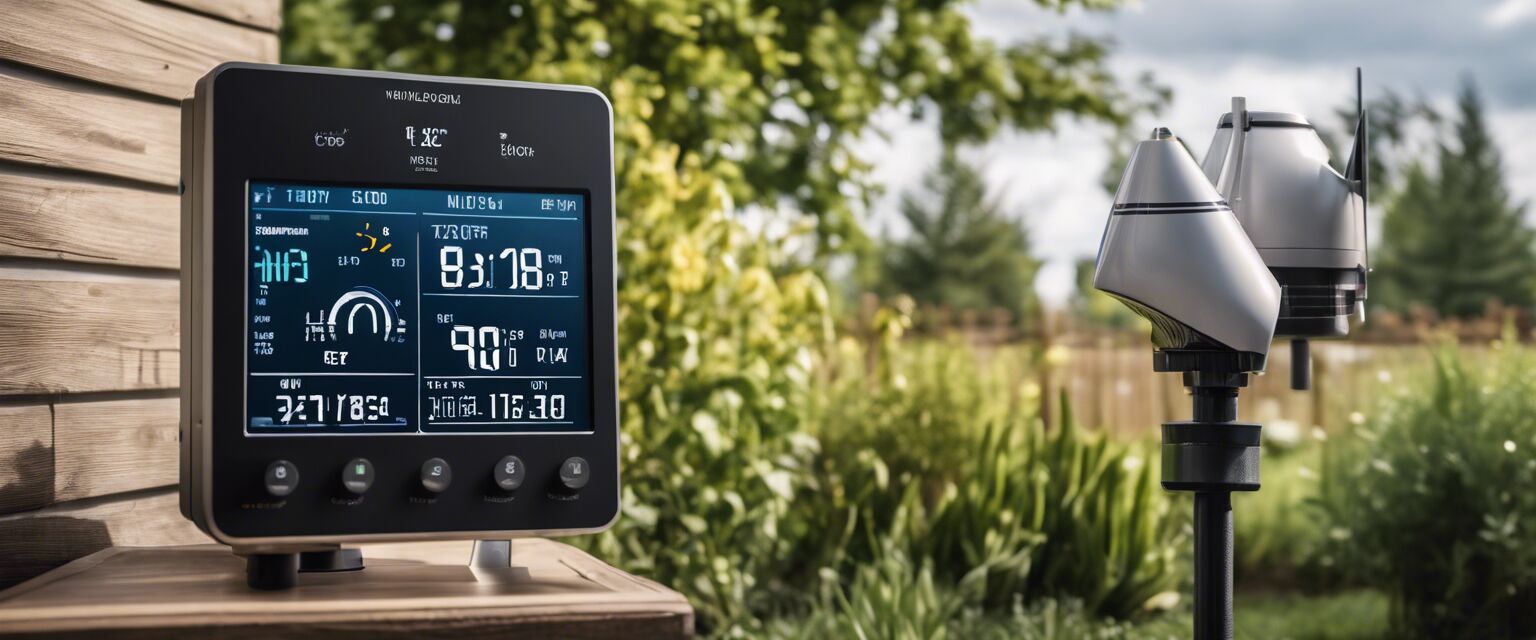
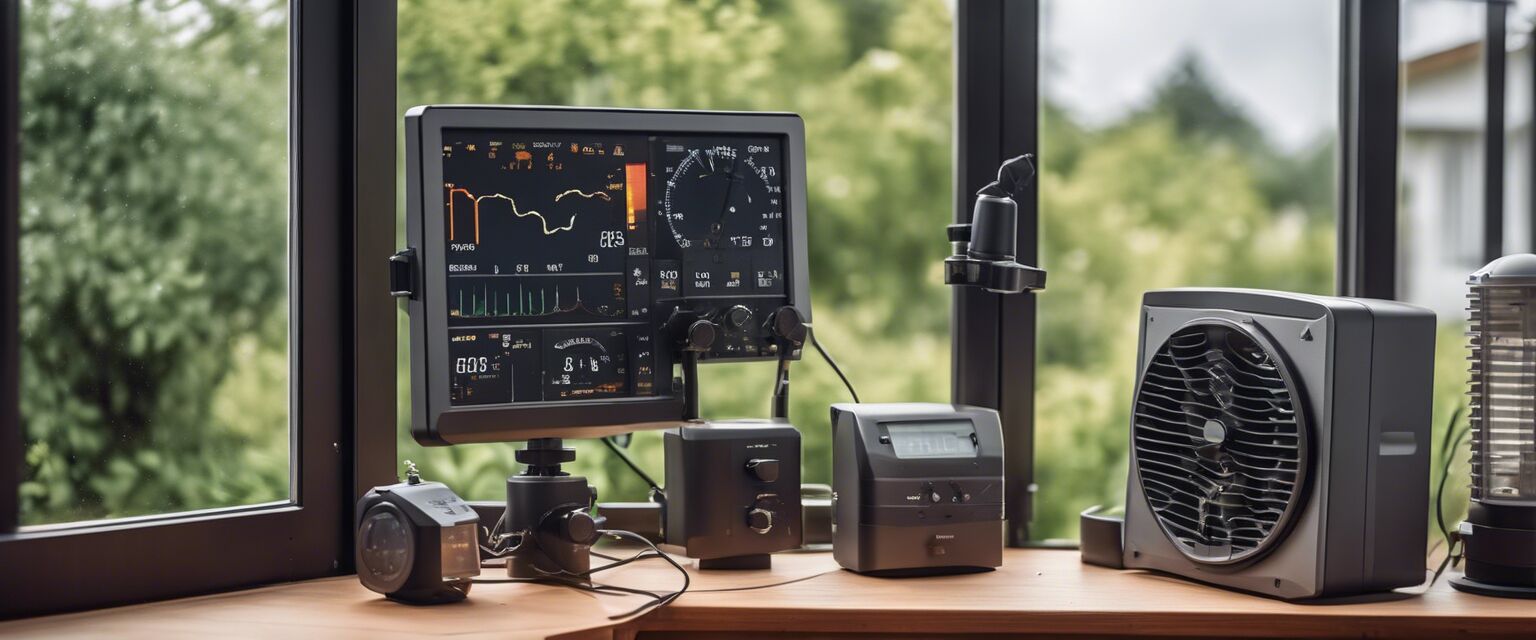
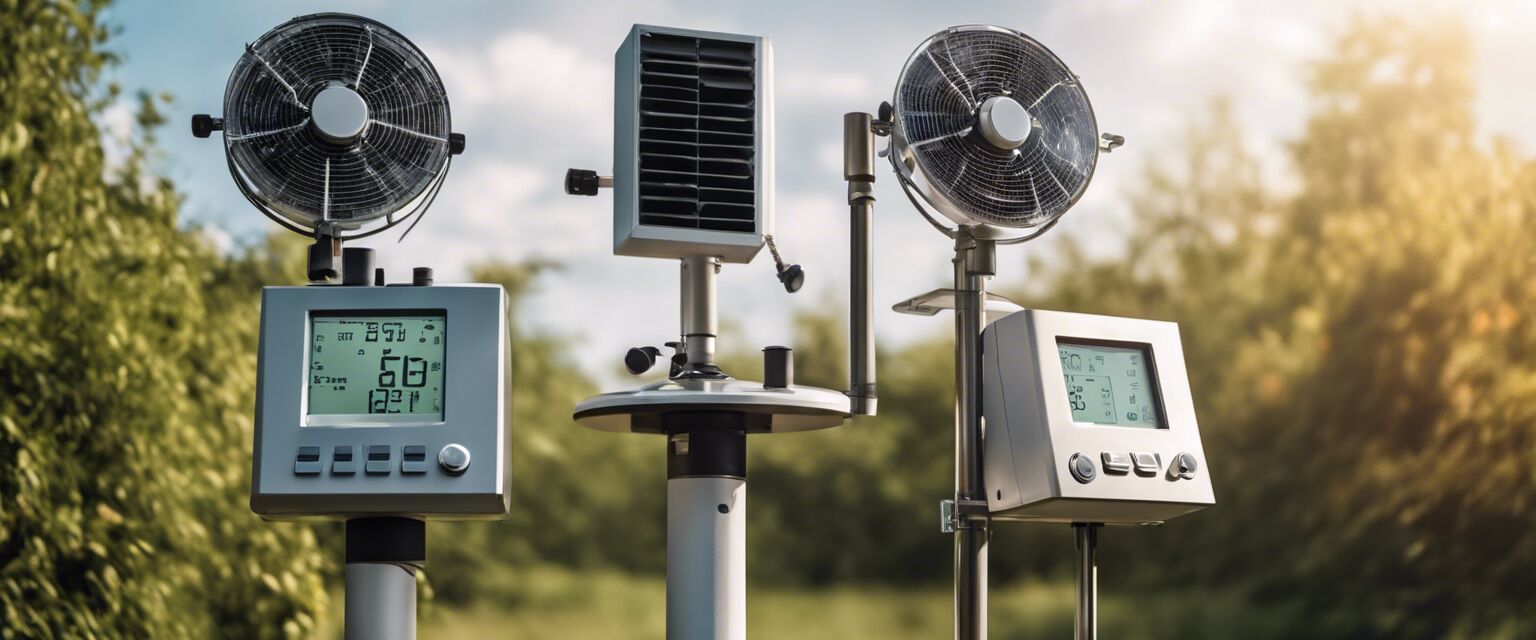
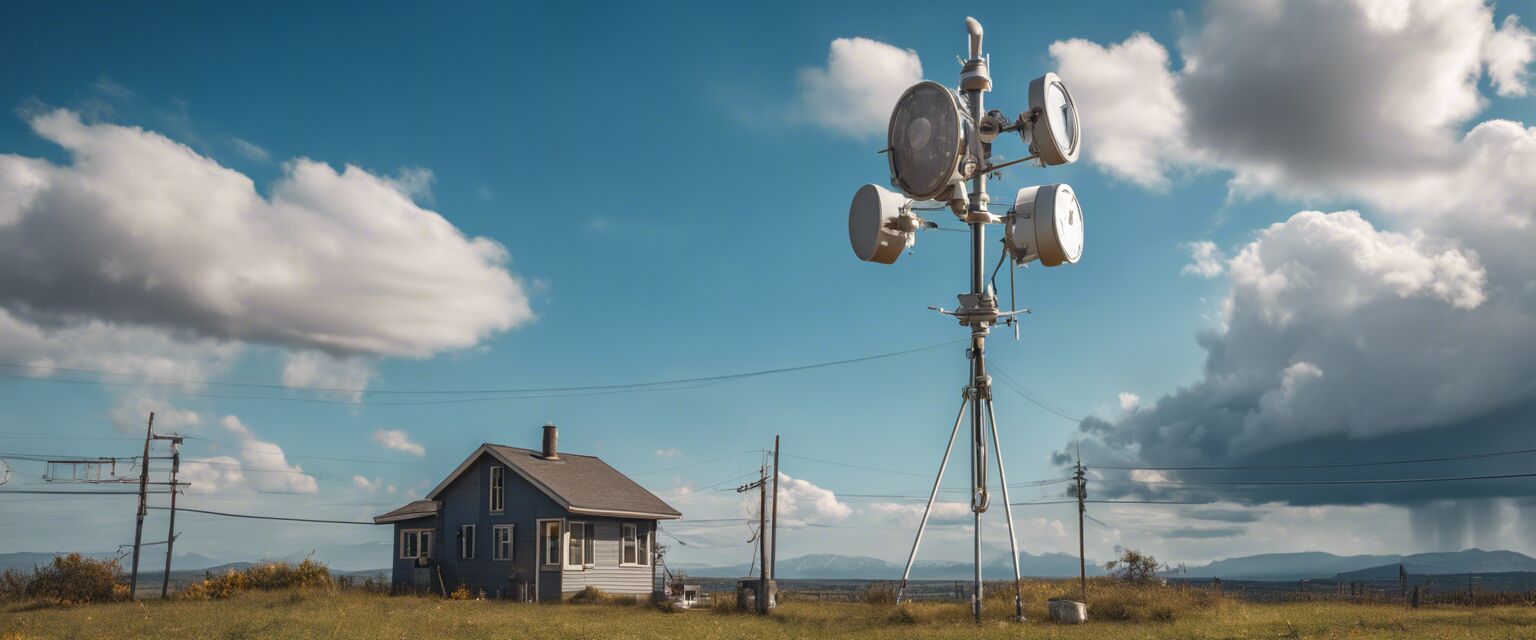
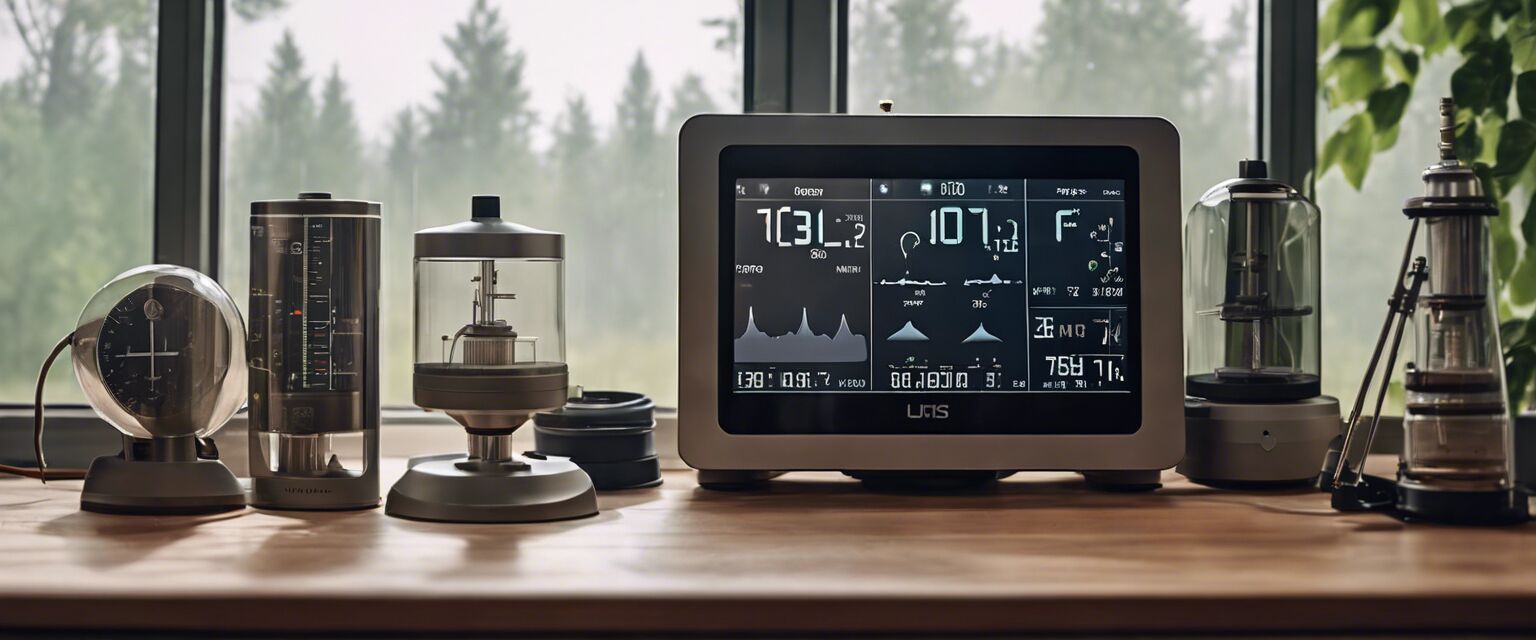
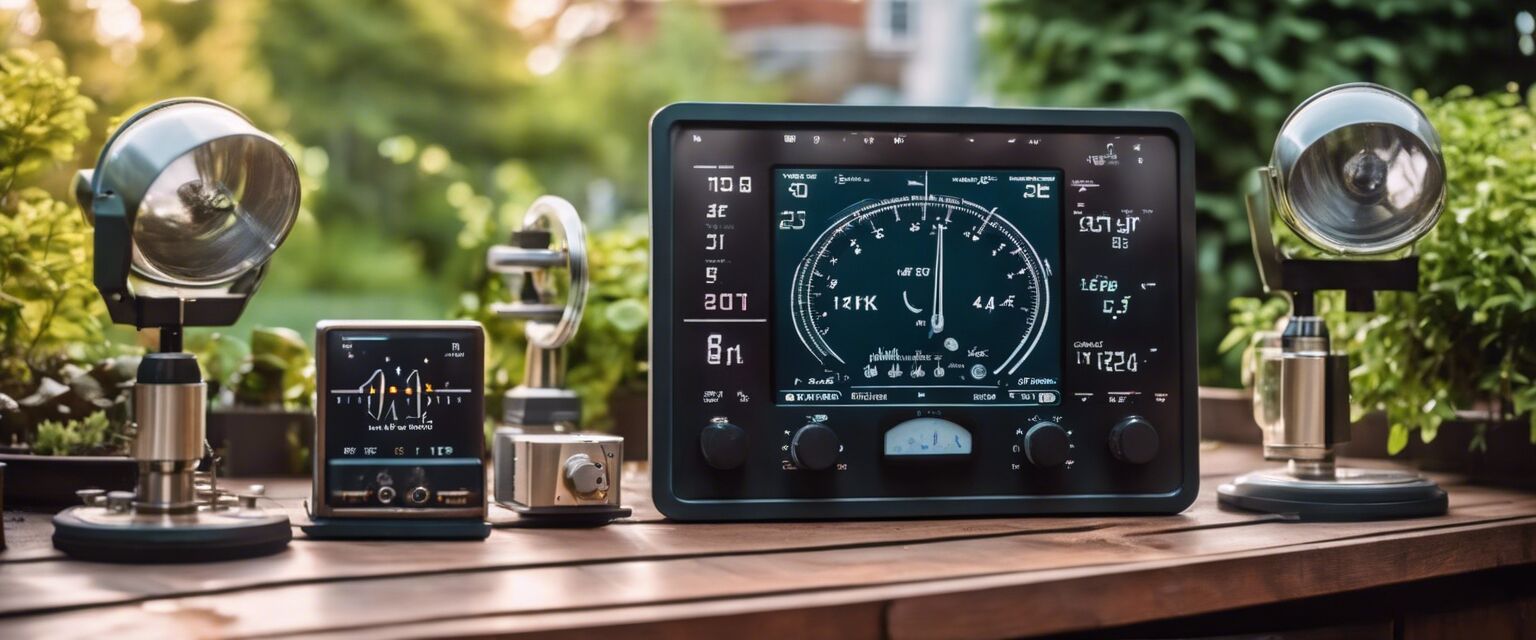
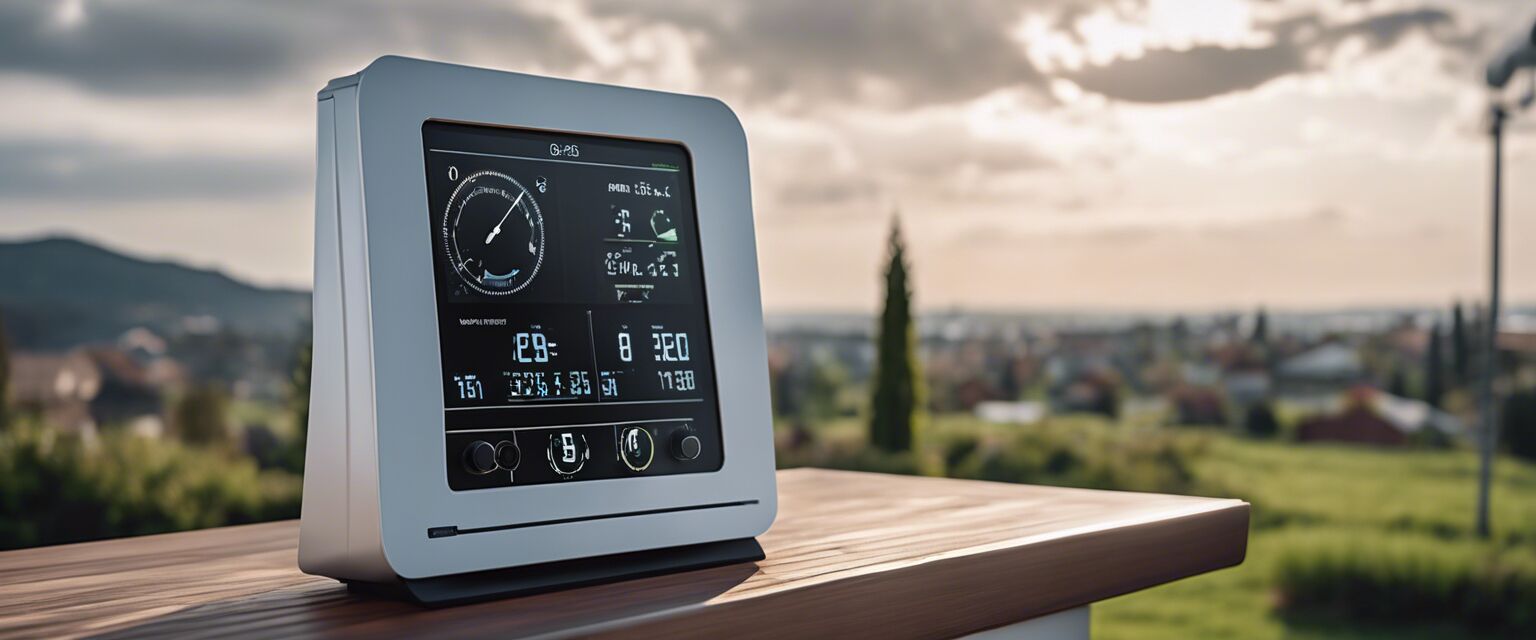
Home weather stations are devices designed to measure various meteorological variables such as temperature, humidity, atmospheric pressure, wind speed, and precipitation. They come in various types, ranging from analog weather stations to digital options, each offering unique benefits.
Benefits of Home Weather Stations
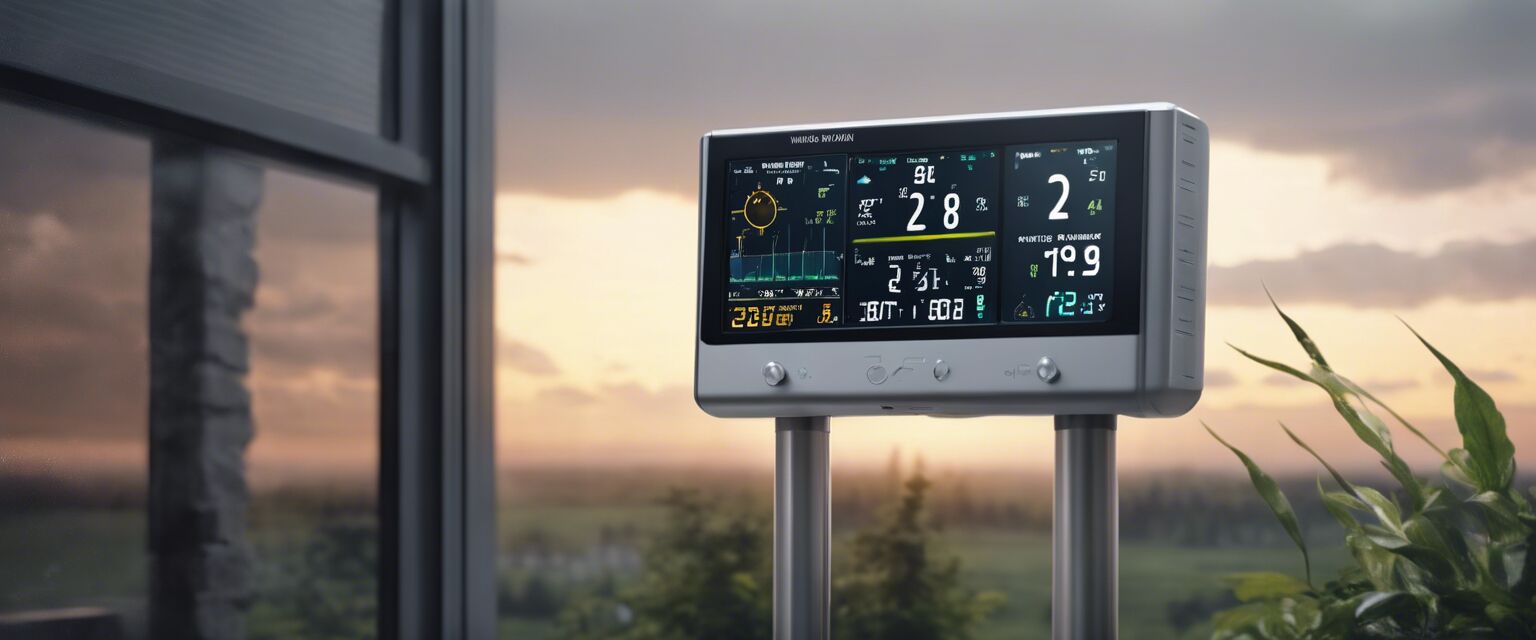
Understanding how home weather stations can positively impact your life is essential. Here are some key benefits:
| Benefit | Details |
|---|---|
| Real-time weather alerts | Receive instant notifications on severe weather conditions that might affect your area. |
| Improve gardening success | Monitor rain levels and soil moisture to optimize plant growth and health. |
| Enhance outdoor activities | Plan events and activities around accurate weather forecasts from your device. |
| Energy efficiency | Utilize precise insights to optimize HVAC usage, potentially lowering utility bills. |
| Educational value | Teach children about weather patterns, fostering curiosity about science and nature. |
Real-Time Weather Alerts
One of the key advantages of a home weather station is the ability to receive real-time weather warnings. This is crucial for ensuring your safety. Whether it's a storm warning or a heat advisory, having up-to-date information can help you take the necessary precautions.
Improving Gardening Success
For gardening enthusiasts, knowing the weather intricacies can lead to a lush, thriving garden. Monitoring rainfall and humidity can help you decide the best times for planting and irrigation. Additionally, you can track temperature fluctuations to protect delicate plants.
Enhancing Outdoor Activities
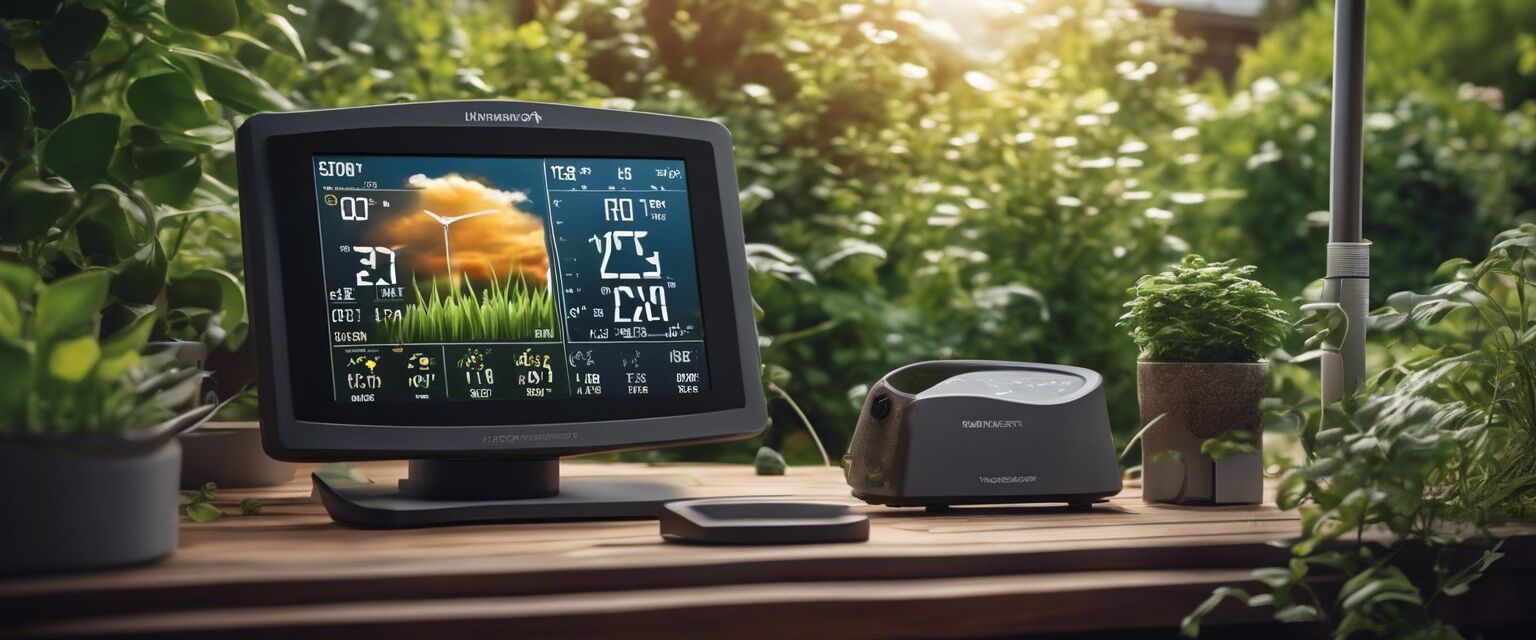
Planning a family picnic or outdoor gathering? A home weather station enables you to make informed decisions based on real-time weather updates. You can check wind speeds before flying kites or look for rain predictions when scheduling a barbecue.
Energy Efficiency
Understanding your local weather can help manage your energy consumption. For instance, using data from your weather station can help determine when to turn on the air conditioning or heating, potentially leading to lower energy bills.
Educational Value for Children
Home weather stations can serve as excellent tools to teach children about meteorology and environmental science. Engaging them in learning about weather patterns can cultivate interest in STEM fields and increase awareness about climate change.
Types of Home Weather Stations
Home weather stations come in several varieties. Below is a quick comparison of different types:
| Type | Description | Best For |
|---|---|---|
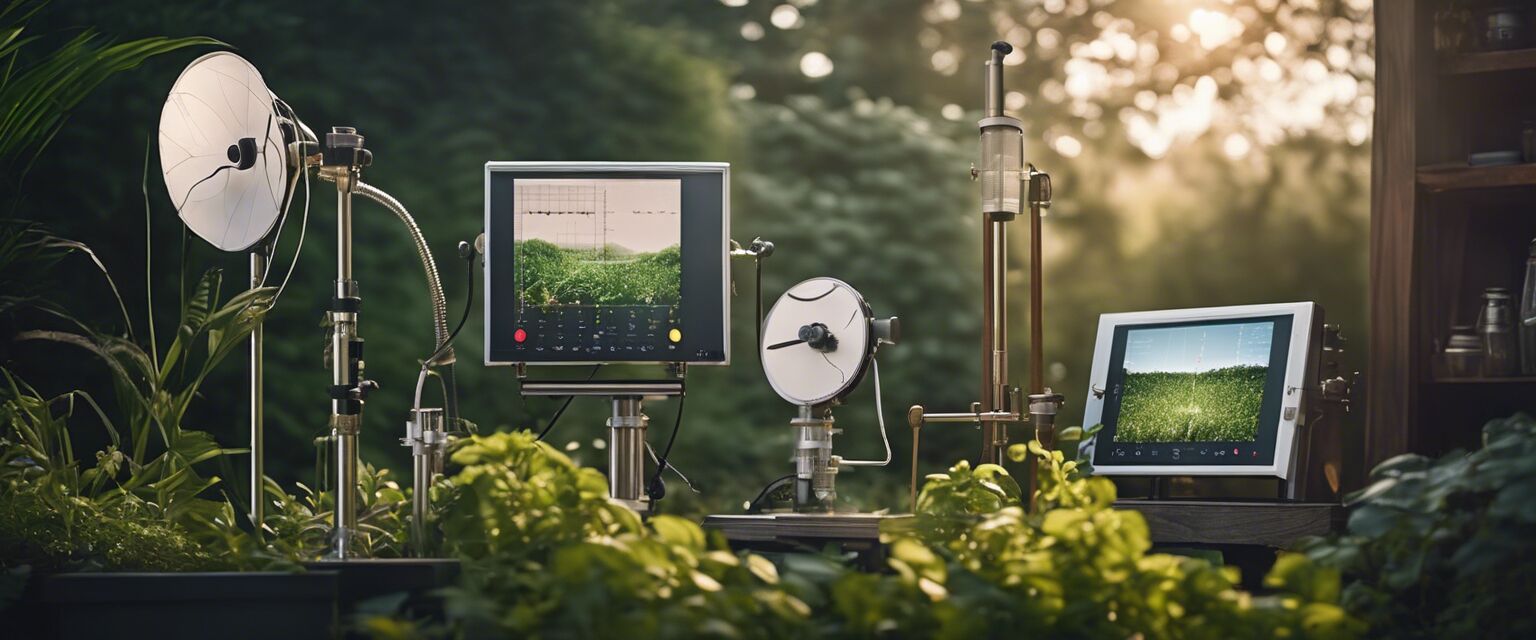
| Analog Weather Stations | Traditional style using dials and sensors to provide weather data. | Simple setups and reliability. |
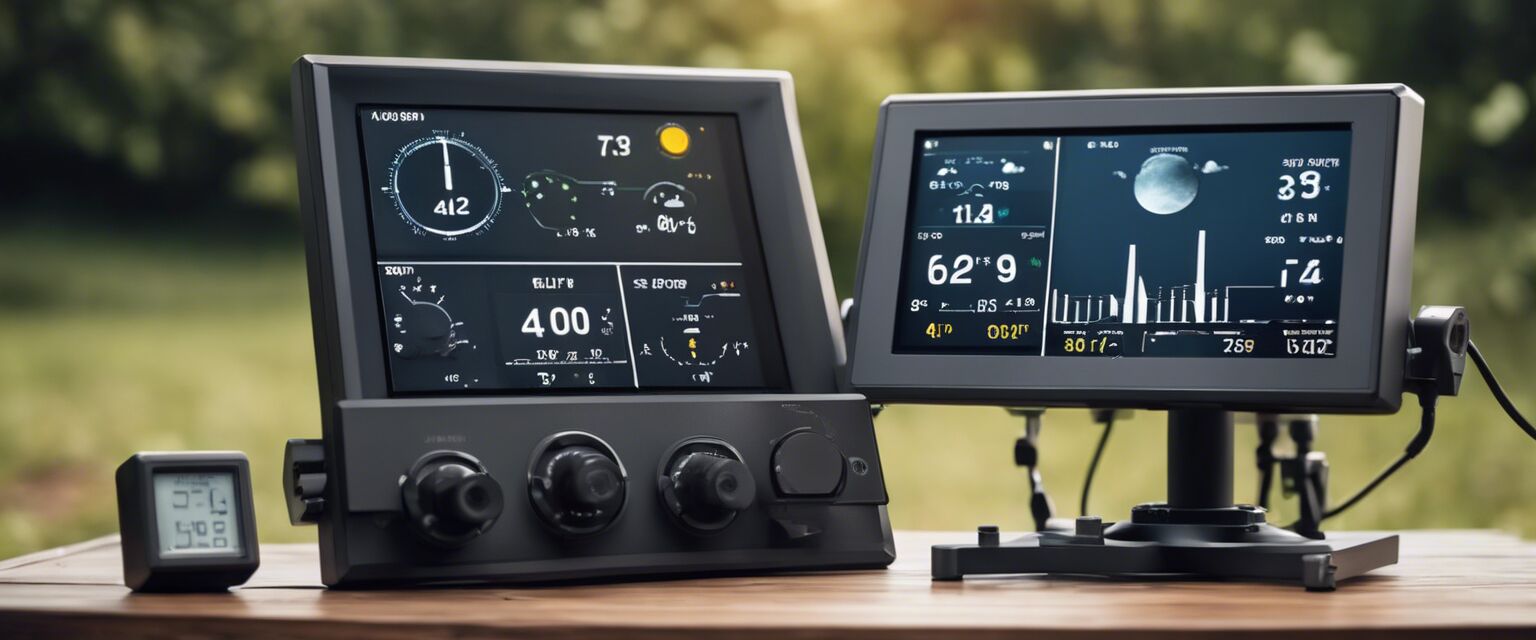
| Digital Weather Stations | Modern designs with digital displays and advanced sensors. | In-depth data analysis and trends. |
| Pluviographs | Specialized devices focused on measuring rainfall. | Gardeners and farmers needing precise precipitation data. |
| Portable Weather Stations | Compact and mobile options for weather tracking on the go. | Travelers or outdoor enthusiasts. |
| Professional Weather Stations | High-end setups with multiple sensors and detailed analytics. | Data enthusiasts and businesses. |
Choosing the Right Home Weather Station
When selecting a home weather station, consider the following factors:
- Purpose: Decide what features you need based on your activities.
- Budget: Weather stations come in a variety of price ranges, so choose one that fits your budget.
- Ease of use: Look for user-friendly interfaces and clear displays.
- Durability: Consider stations designed to withstand various weather conditions.
Installation and Maintenance
Once you decide on a home weather station, itâs essential to install and maintain it properly:
- Choose a location away from trees and buildings to avoid obstructions.
- Follow the manufacturer's instructions for mounting and calibration.
- Regularly check and clean sensors to ensure accurate data collection.
- Update software or firmware as needed for optimal performance.
Tips for Beginners
- Start with a basic model to familiarize yourself with weather station functionalities.
- Experiment with different sensor placements to find the most accurate readings.
- Join online forums or local clubs to connect with other weather enthusiasts.
- Keep a weather journal to track data and observe trends over time.
Conclusion
Home weather stations offer a wealth of benefits for homeowners and outdoor enthusiasts alike. By investing in this technology, you gain access to real-time data that can help with everything from gardening to planning outdoor activities. Understanding the advantages and types of home weather stations can lead to informed purchasing decisions and ultimately, a better living experience.
Pros
- Accurate and localized weather data.
- Enhances safety during severe weather.
- Aids in gardening and agricultural endeavors.
- Educational opportunities for families.
- Potential savings on energy bills.
Cons
- Initial cost can be a barrier for some.
- Requires regular maintenance for accuracy.
- May have a learning curve for technology integration.
- Some models may not have all desired features.
- Can be affected by surrounding environment and weather conditions.