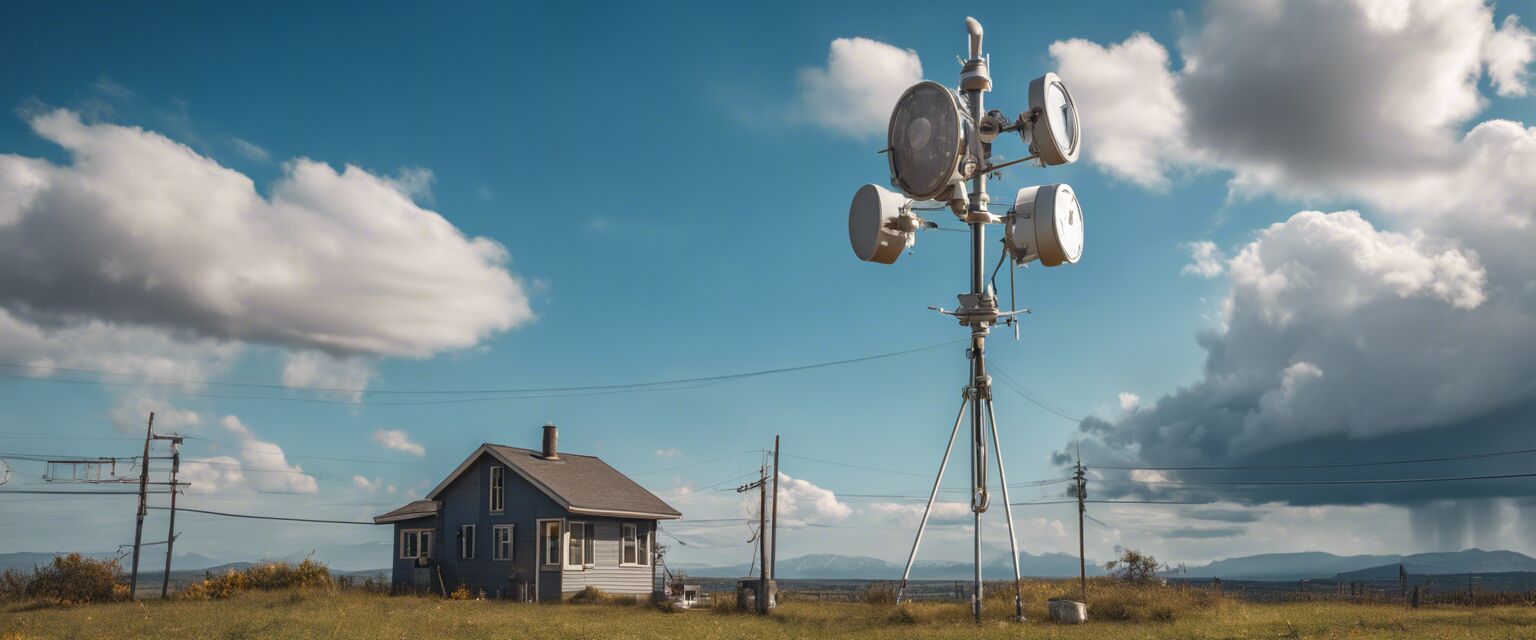
Home Weather Station Maintenance
Key Takeaways
- Regular maintenance extends the life of your weather station.
- Calibrating your device ensures accurate readings.
- Cleaning sensors and components is crucial for optimal performance.
- Weather conditions can affect the calibration and functionality.
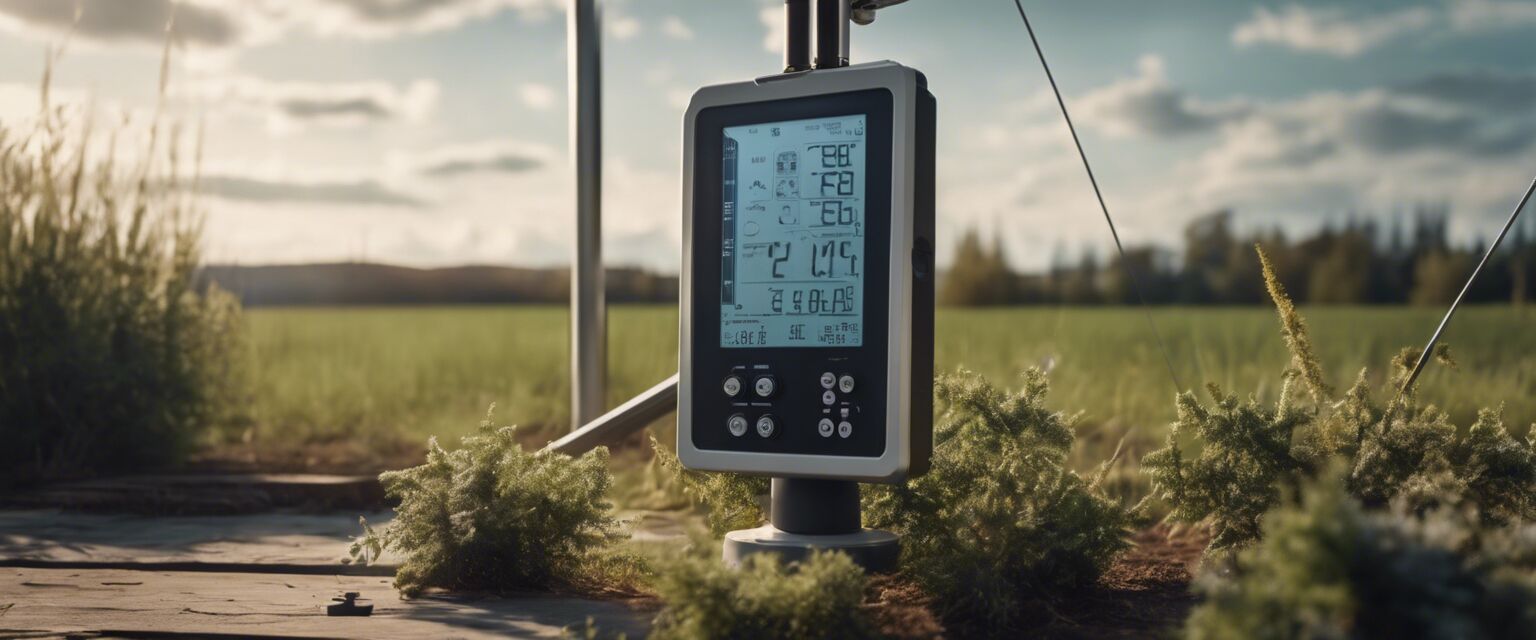
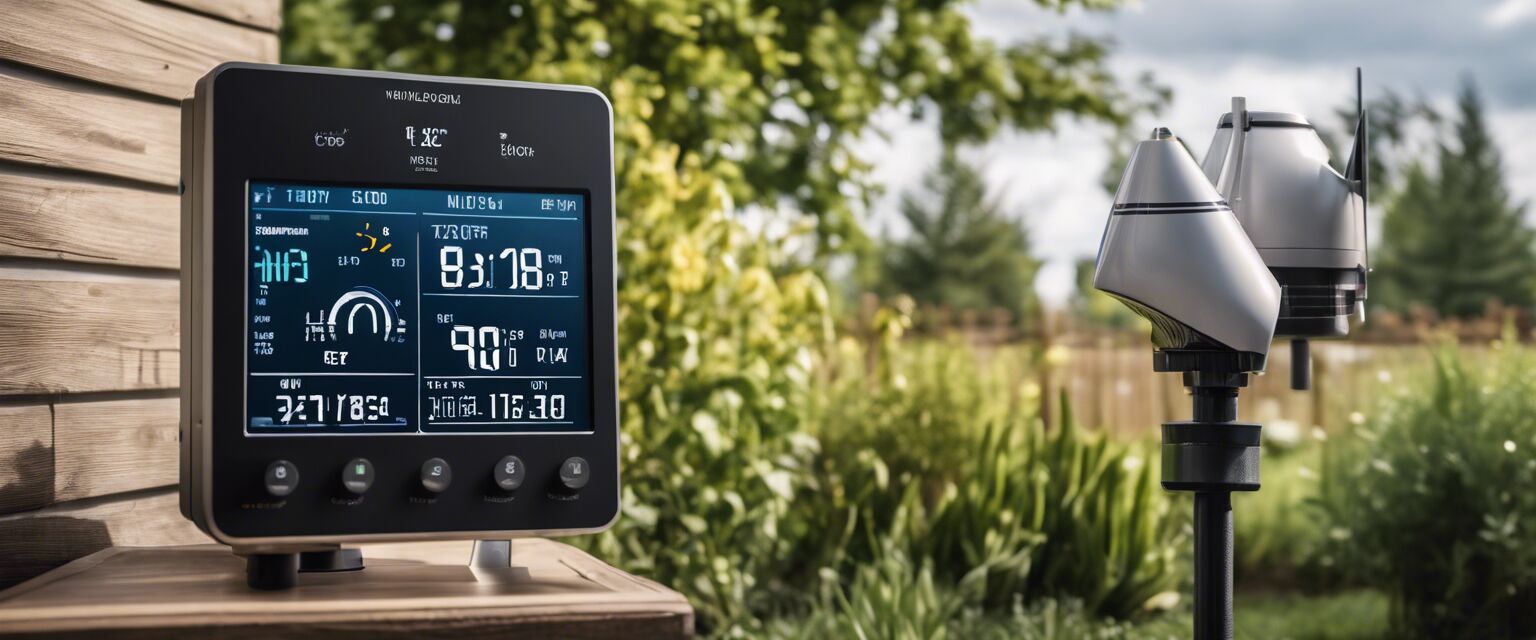
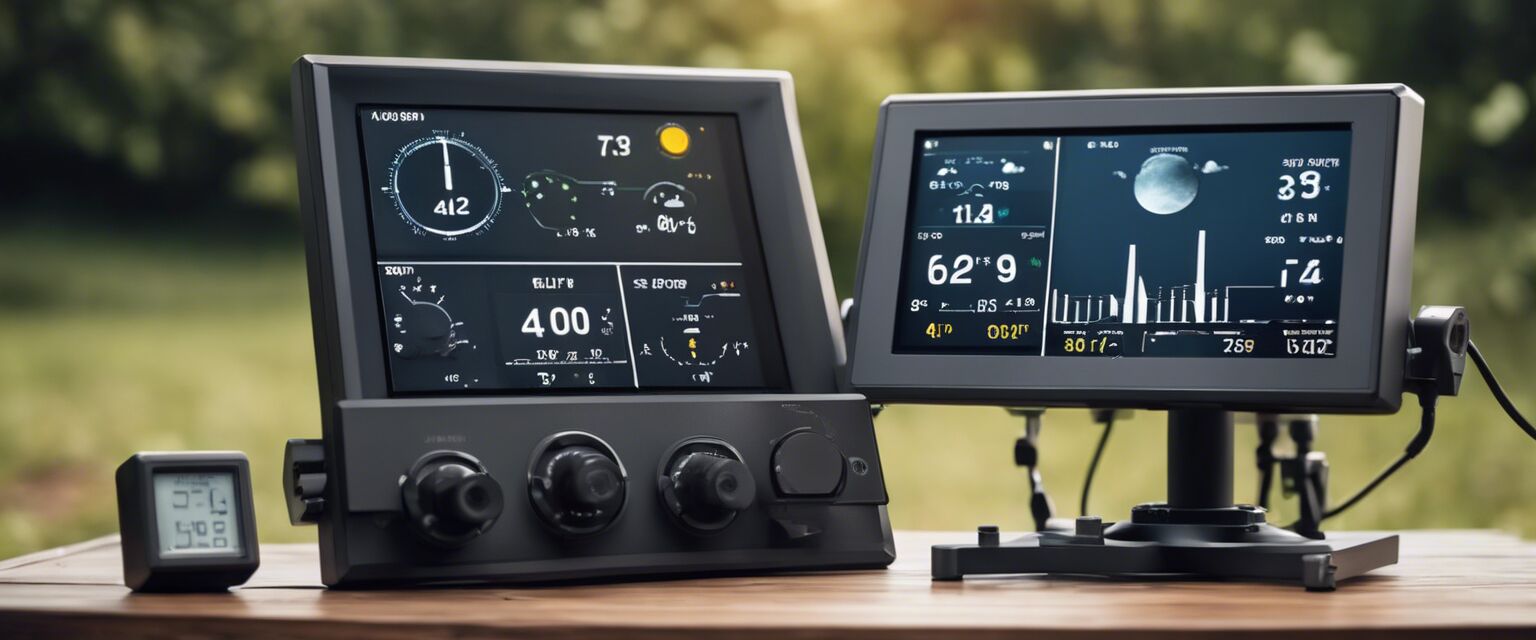
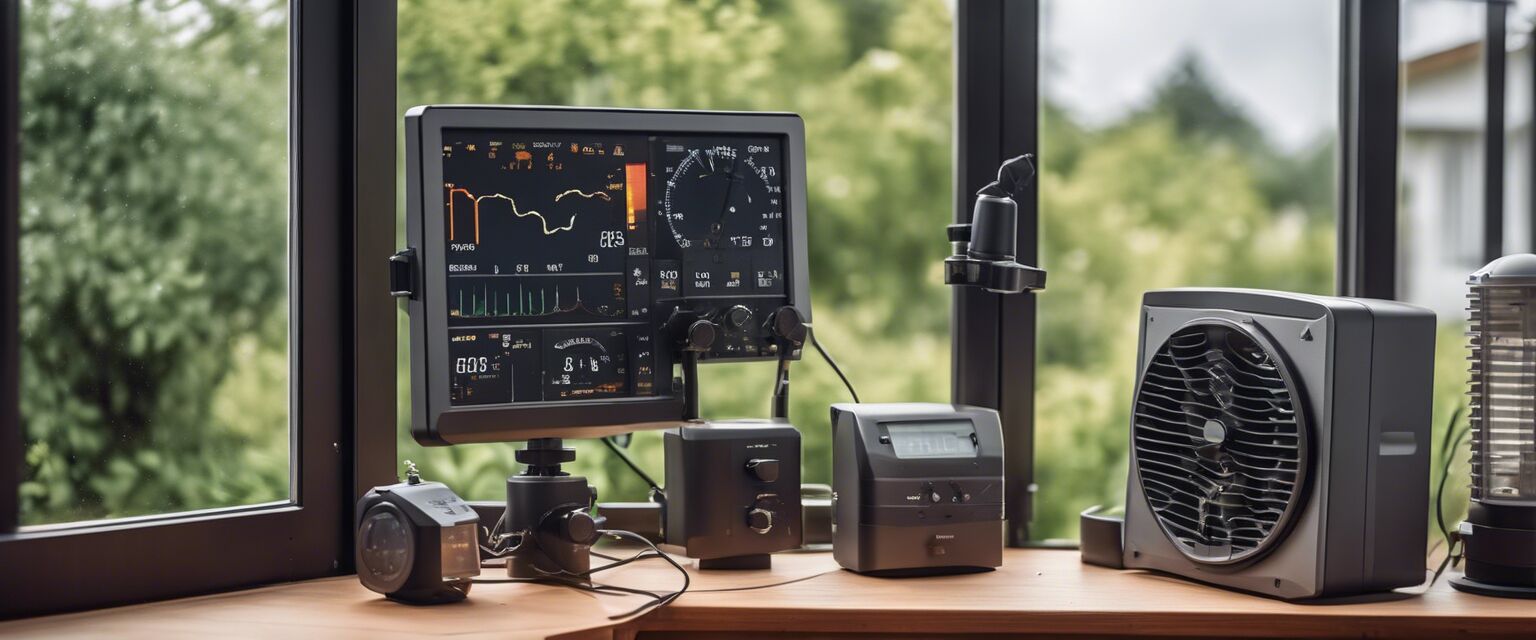
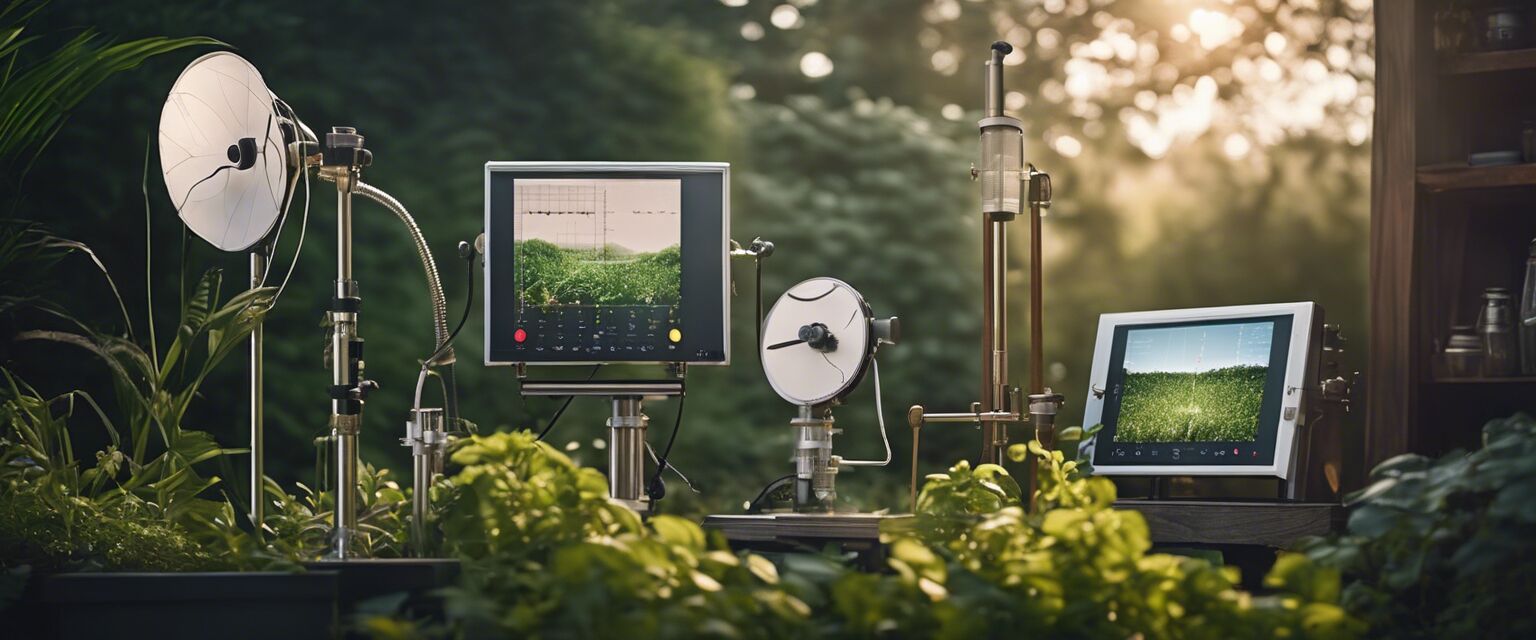
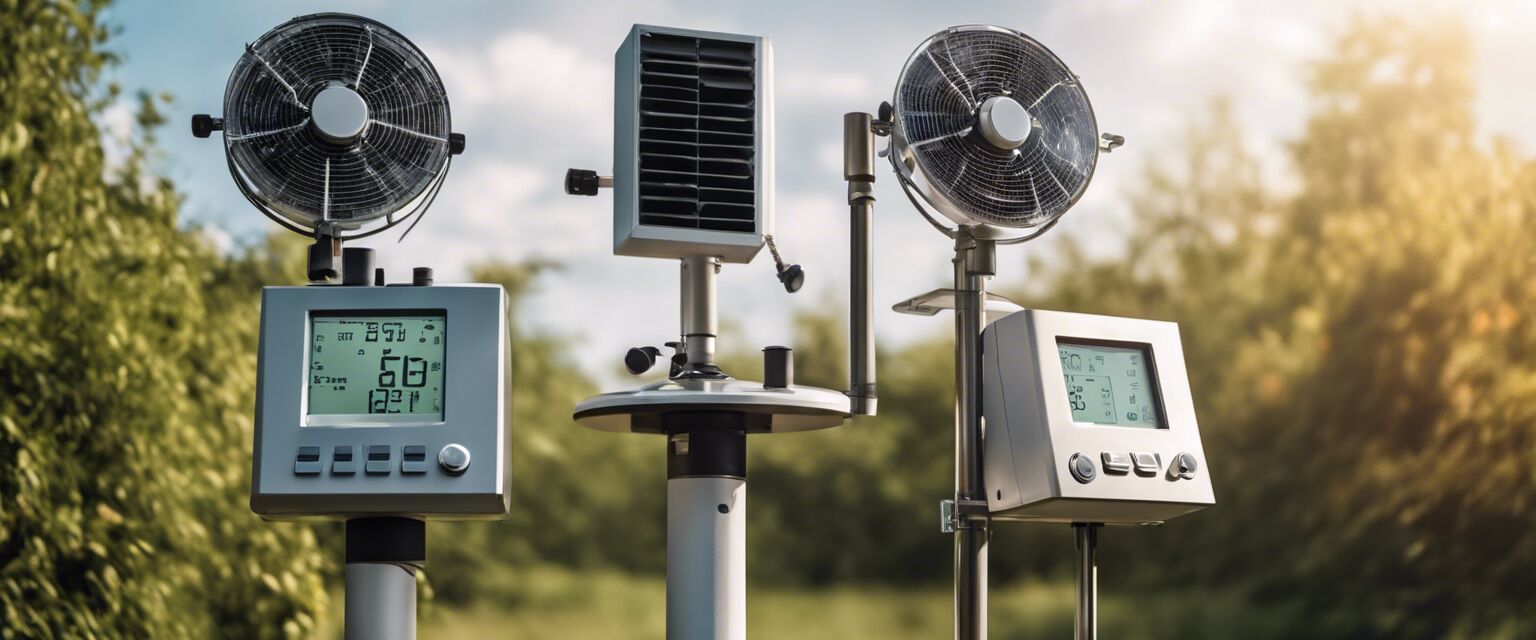
Maintaining a home weather station is essential for ensuring accurate readings and longevity. Whether you use a pluviograph or a digital weather station, the principles of maintenance and calibration remain similar. In this article, we will explore practical tips and techniques for keeping your weather station in top shape.
Why is maintenance important?
Regular maintenance of your home weather station is crucial for several reasons:
- Ensures accurate weather data collection.
- Increases the lifespan of your equipment.
- Helps identify potential issues before they become serious problems.
Components of a weather station
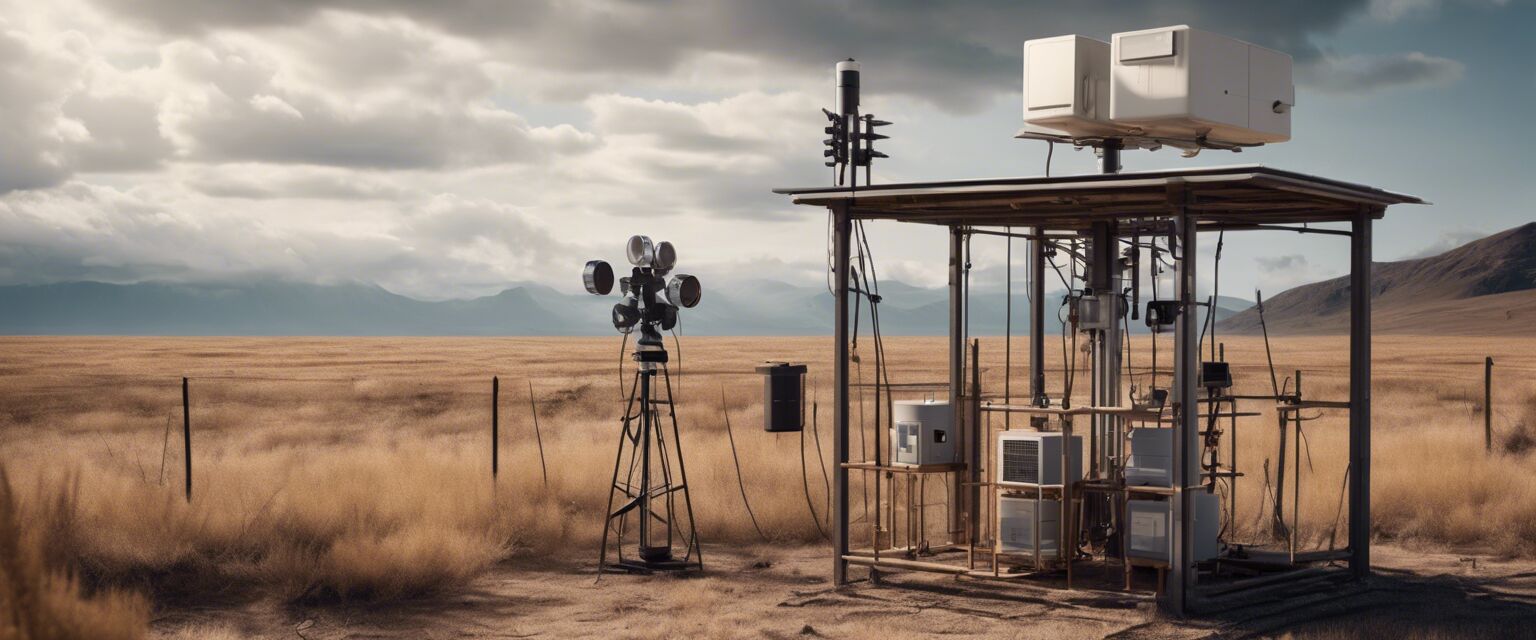
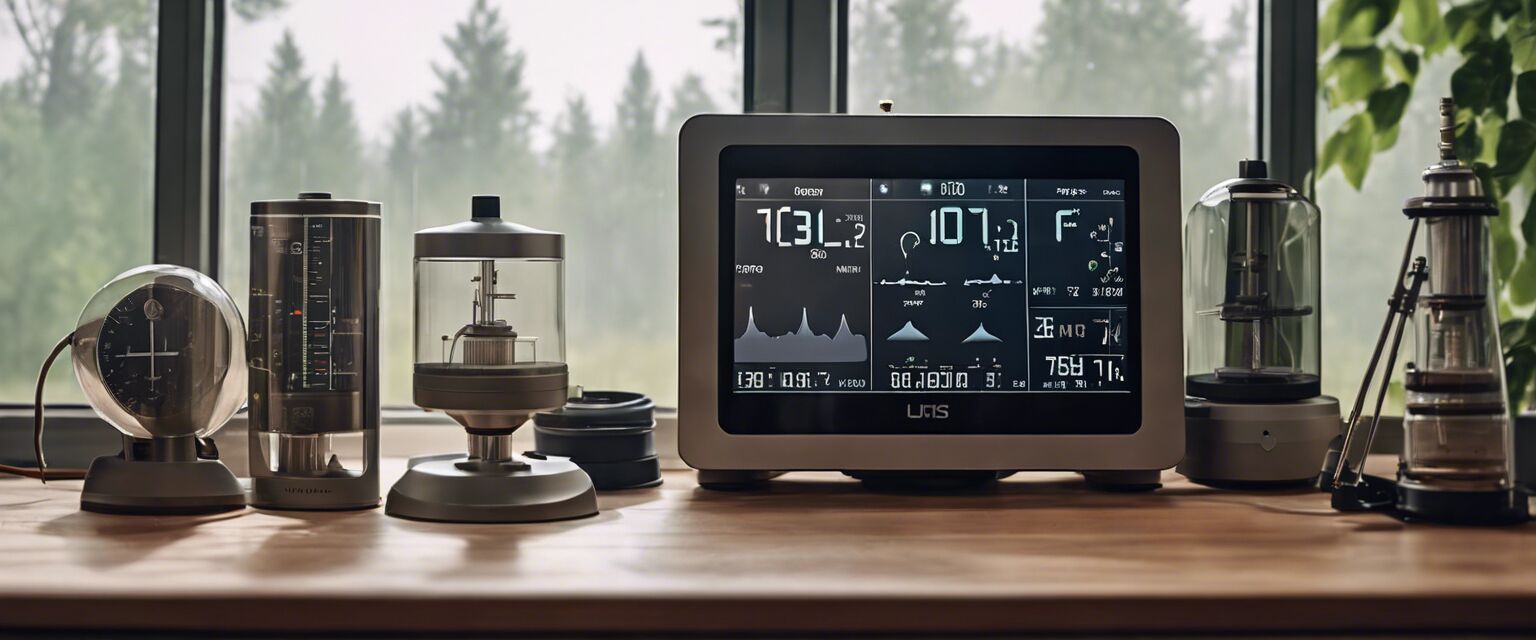
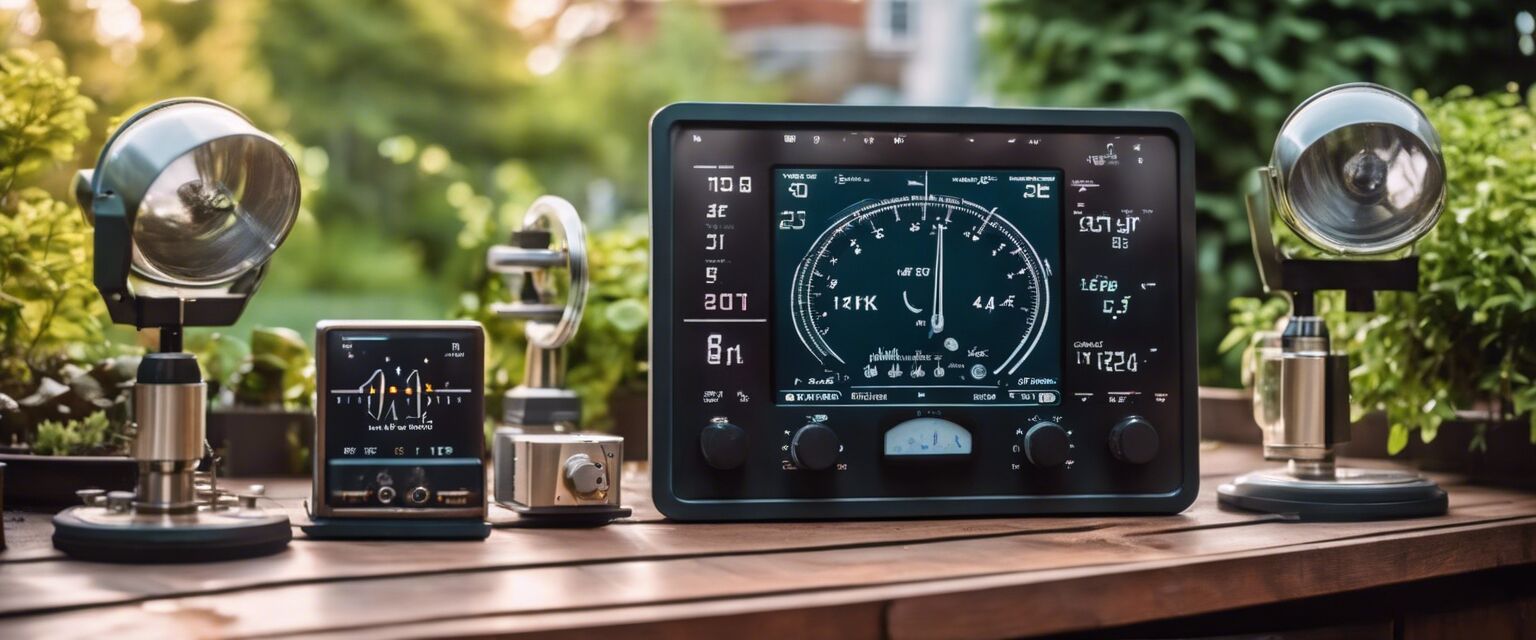
Understanding the components of your weather station is the first step toward effective maintenance. Hereâs a breakdown of common components:
| Component | Function |
|---|---|
| Pluviograph | Measures rainfall and precipitation levels. |
| Thermometer | Measures temperature. |
| Barometer | Measures atmospheric pressure. |
| Anemometer | Measures wind speed and direction. |
| Hygrometer | Measures humidity levels. |
Tips for maintaining your home weather station
General maintenance tips
- Regularly check all components for wear and tear.
- Keep the area around your station clear of debris and vegetation.
- Survey for any damage after severe weather events.
Cleaning your weather station
Cleaning is vital for ensuring accurate readings. Here are steps to clean different components:
- Pluviograph: Rinse the collection bucket with clean water to remove debris.
- Sensors: Use a soft brush or cloth to wipe dust off sensors.
- Housing: Wipe the exterior with a damp cloth to remove dirt and grime.
Calibrating your weather station
Calibration is necessary to ensure that your weather readings are accurate. Hereâs how you can calibrate your home weather station:
- Check the manufacturer's guidelines for specific calibration instructions.
- Use a reference instrument (like a calibrated thermometer) to verify readings.
- Adjust the settings on your station as needed.
- Repeat the process periodically, especially after extreme weather conditions.
When to seek professional help
Sometimes, maintenance issues can be complex. Here are signs you may need professional assistance:
- Inconsistent readings across multiple components.
- Physical damage that cannot be repaired easily.
- Electrical issues or software malfunctions.
Storing your weather station
For portable weather stations or during extreme weather, proper storage is key:
- Store in a dry, sheltered area.
- Remove batteries if storing long-term.
- Keep components organized to avoid damage.
Conclusion
Maintaining and calibrating your home weather station is vital for accurate data collection and longevity. Regular checks, cleanings, and calibrations will ensure your equipment continues to provide you with reliable weather information.
Pros
- Improved accuracy in weather data.
- Extended lifespan of your equipment.
- Better performance in changing weather conditions.
Cons
- Time-consuming maintenance process.
- Potential costs for repairs or professional calibration.
Related topics
Want to learn more about weather stations? Check out these related articles:
- Analog Weather Stations
- Digital Weather Stations
- Pluviographs
- Portable Weather Stations
- Professional Weather Stations