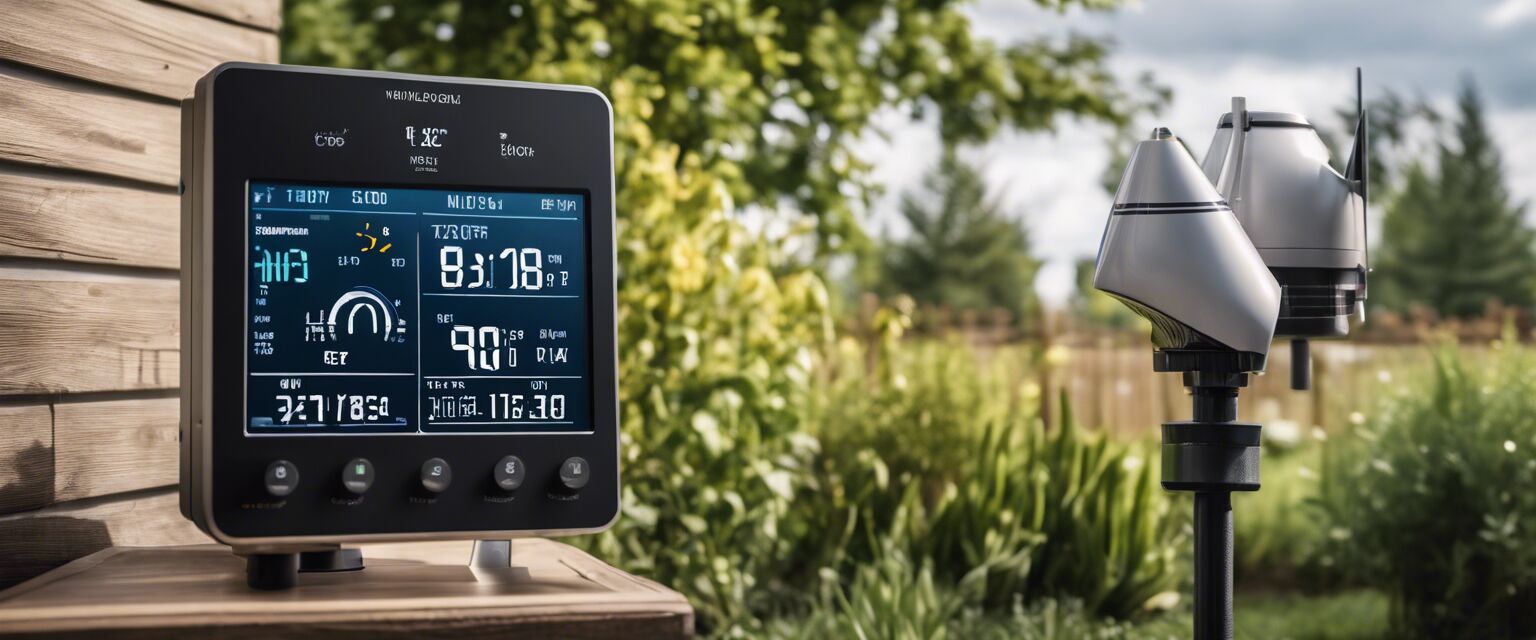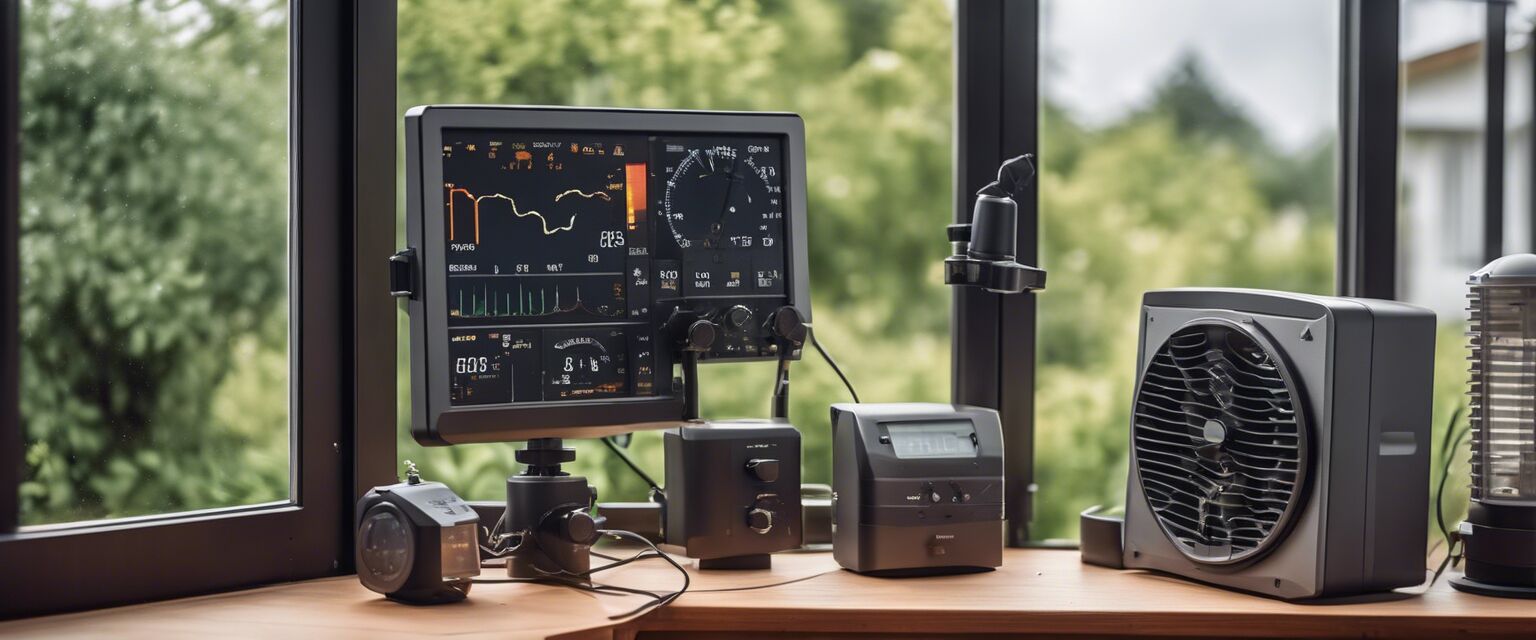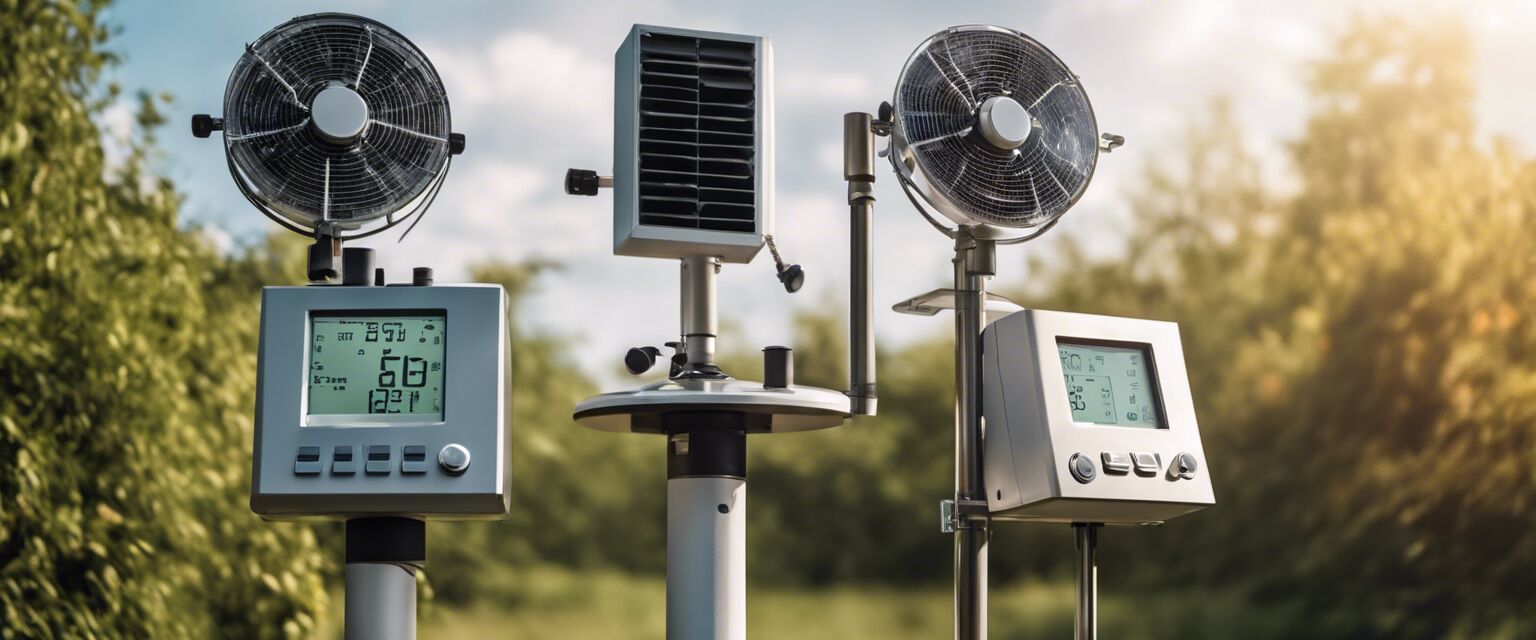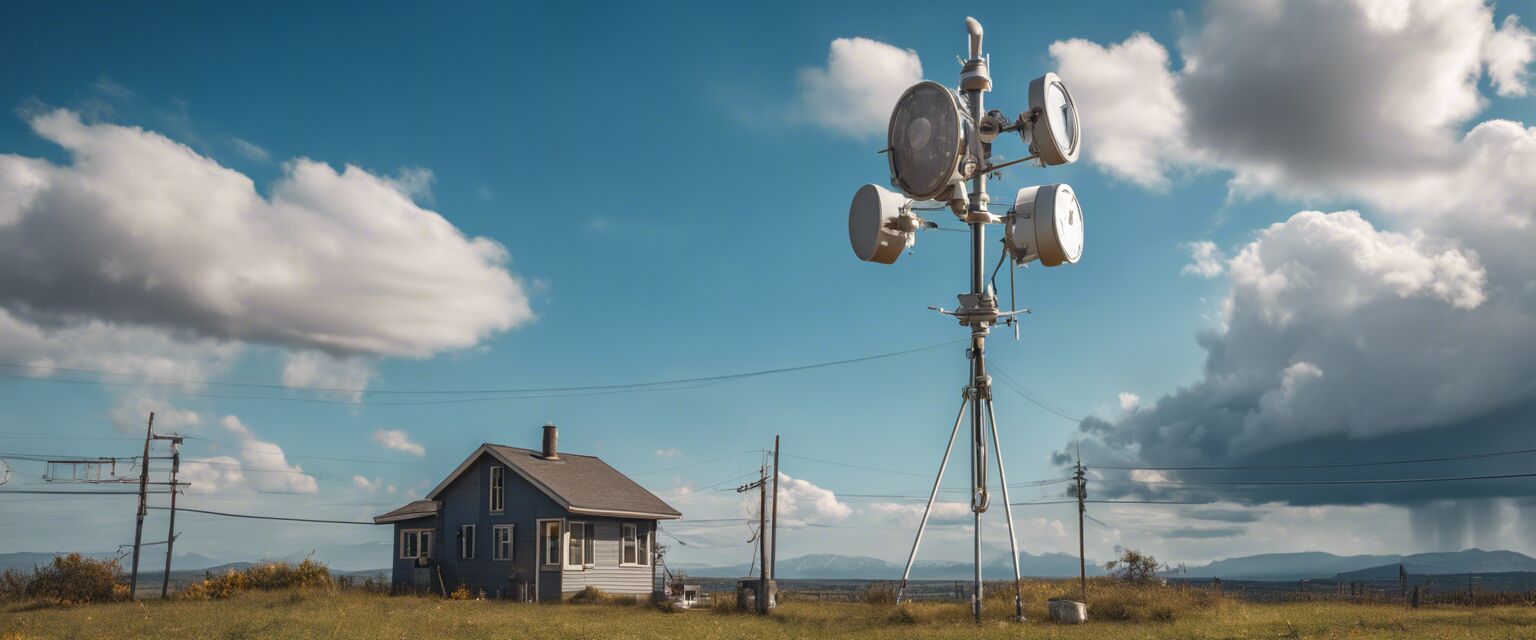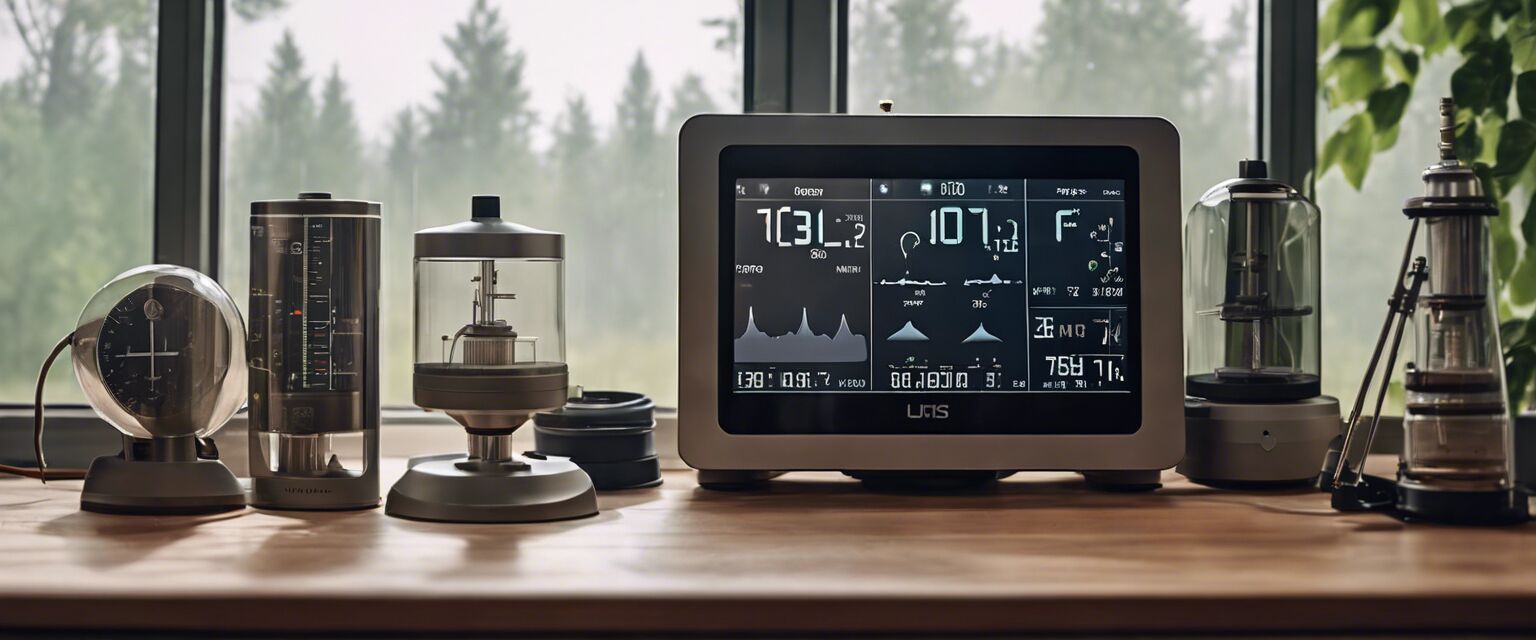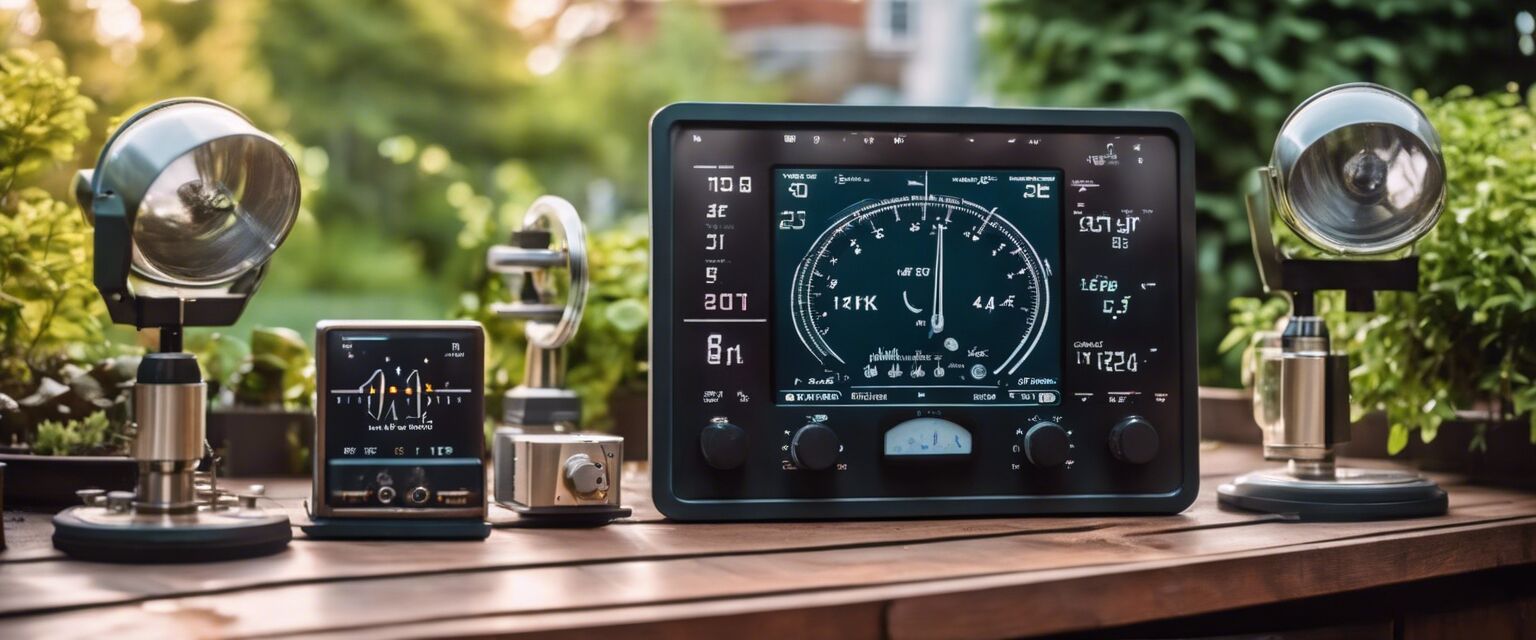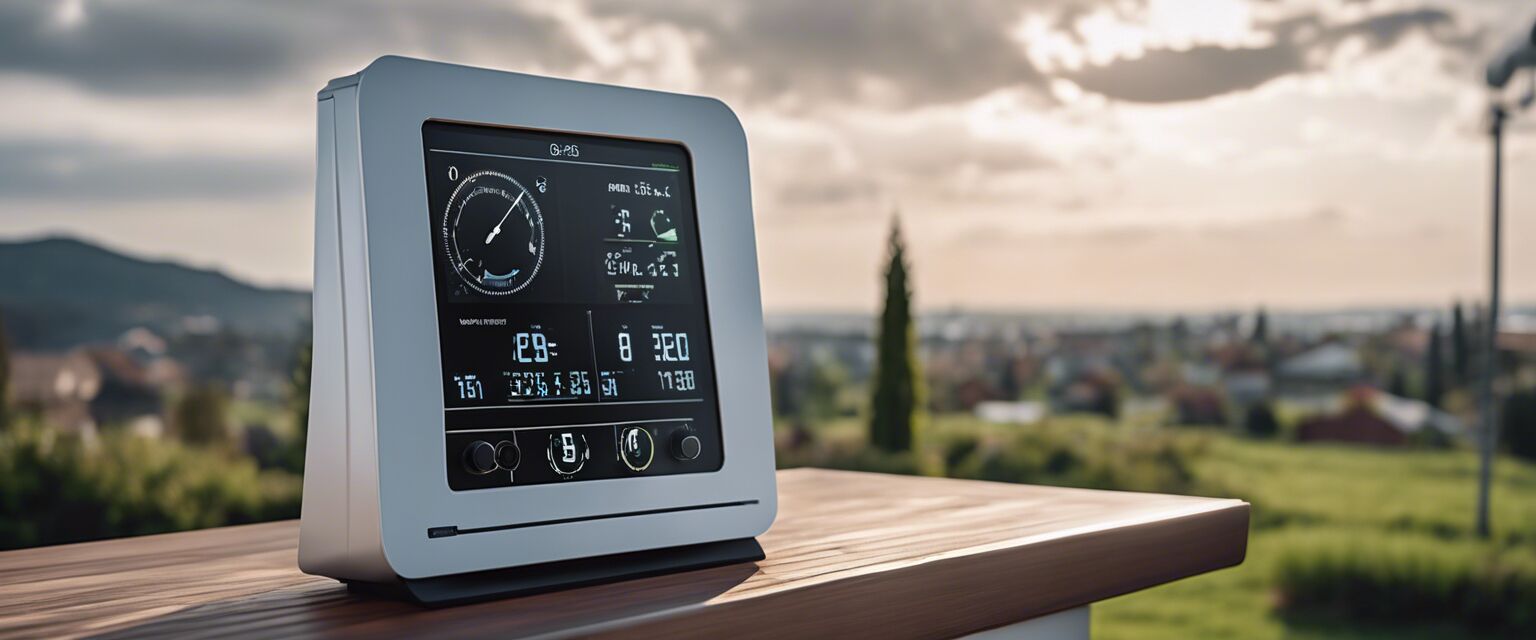
Weather Station Accessories
Key Takeaways
- Weather station accessories enhance the functionality and accuracy of your home weather station.
- Common accessories include additional sensors, display units, and data loggers.
- Choosing the right accessories depends on your specific weather monitoring needs.
- Many accessories are compatible with various types of weather stations.
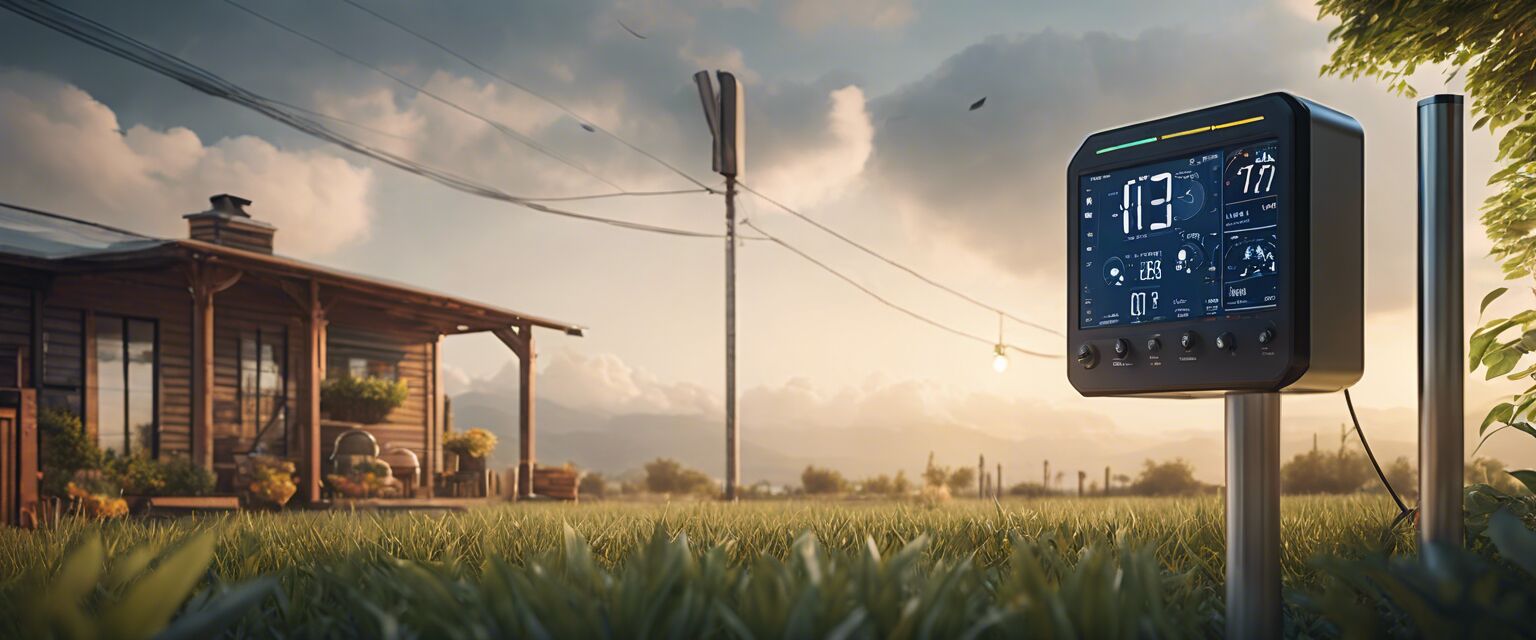
Weather stations are a fantastic way to monitor the weather conditions in your local area. However, to get the most out of your home weather station, investing in essential accessories is crucial. In this guide, we will explore various accessories that can enhance the performance of your weather station, making it easier for you to track and understand local weather patterns.
Types of Accessories for Weather Stations
There are several types of accessories available for weather stations, each serving a unique purpose. Below, we detail the most common accessories you might consider.
| Accessory Type | Description | Benefits |
|---|---|---|
| Additional Sensors | Includes rain, wind, and temperature sensors. | Improves accuracy and range of weather data. |
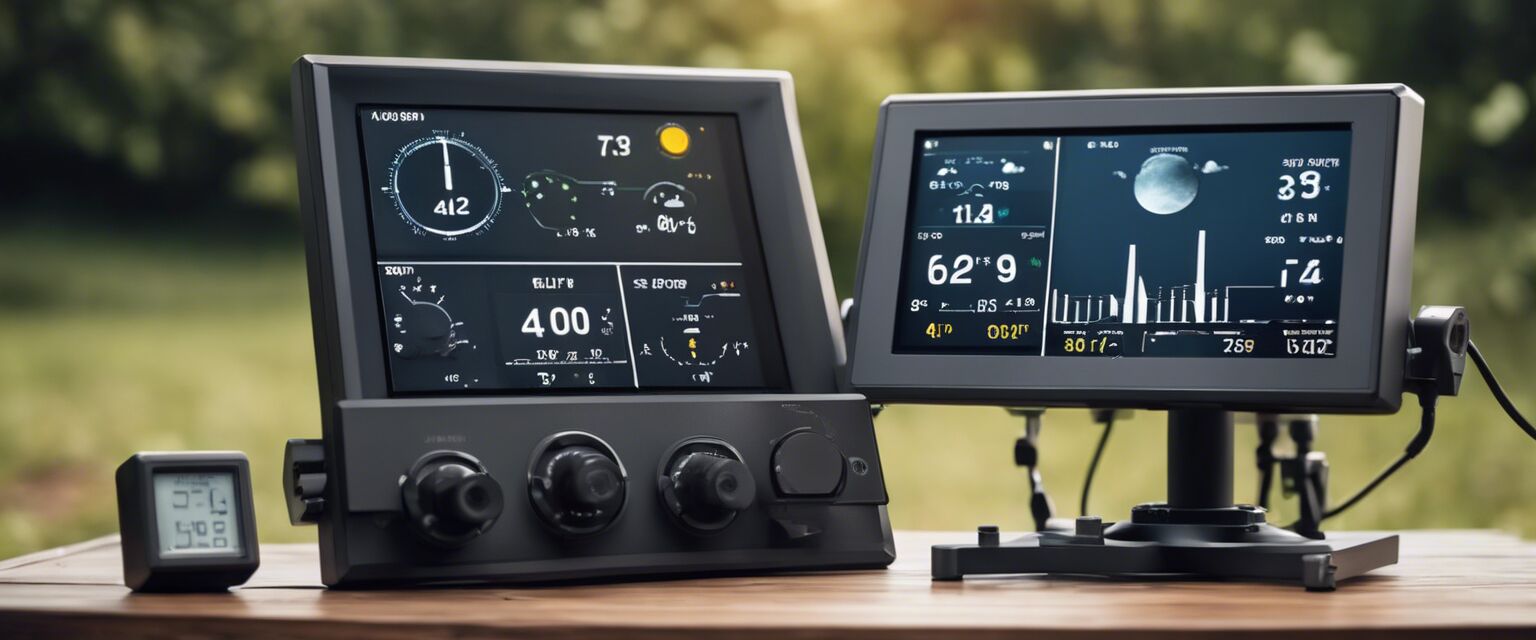
| Display Units | Digital displays showing real-time weather data. | Easy access to current weather information. |
| Data Loggers | Devices that record weather data over time. | Helps in analyzing weather trends. |
| Mounting Kits | Hardware to secure weather stations and sensors. | Ensures stability and accuracy of readings. |
| Power Supplies | Backup batteries or solar panels. | Keeps your weather station powered during outages. |
Essential Accessories to Consider
Now that you know the different types of accessories available, letâs delve into some essential accessories that can elevate your weather station experience.
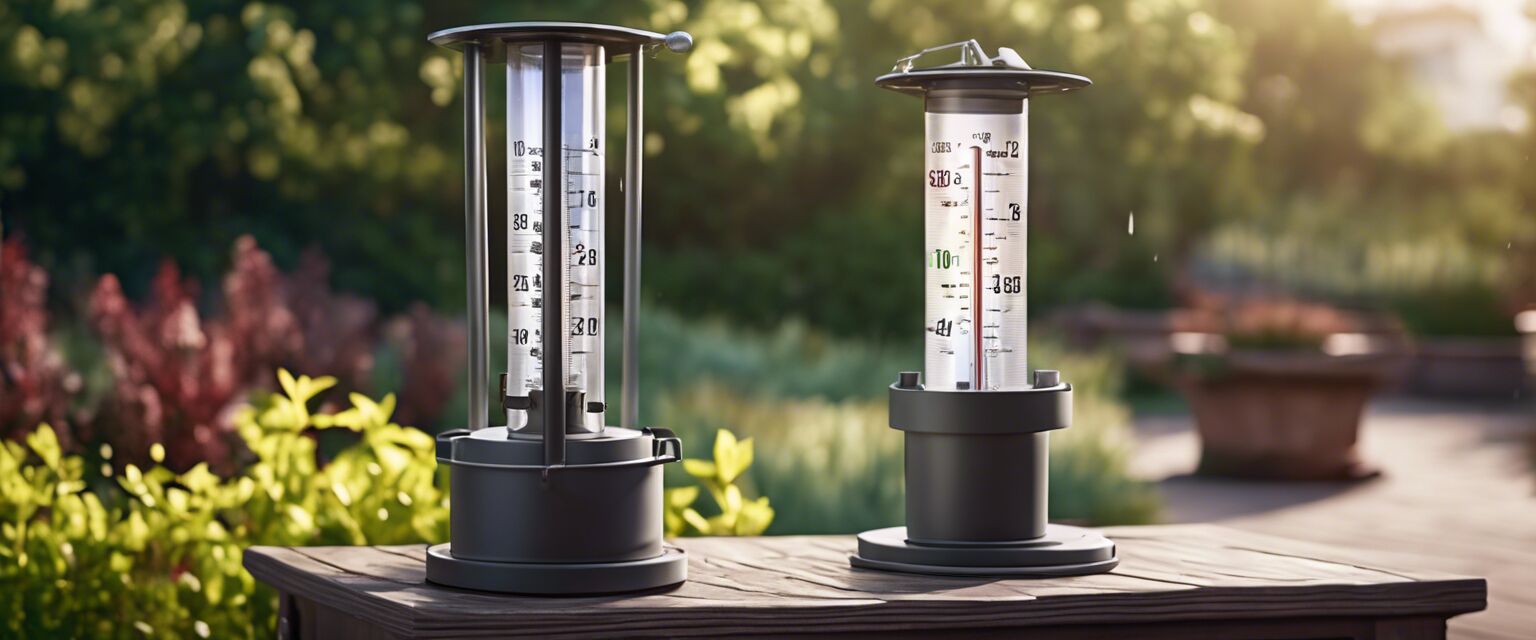
1. Rain Gauge
A rain gauge is an essential accessory for those serious about tracking precipitation. It measures the amount of rainfall over time and helps monitor local weather patterns.
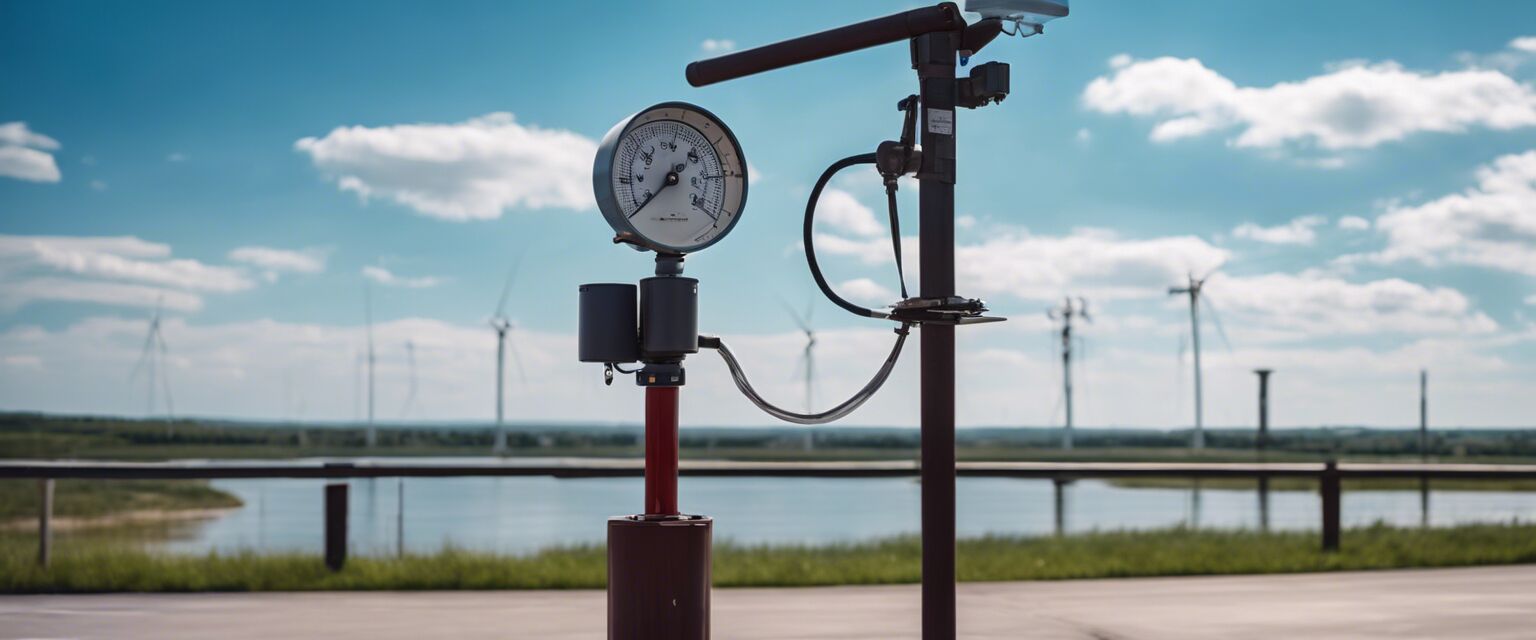
2. Anemometer
An anemometer measures wind speed and direction. This accessory is vital for understanding wind conditions, especially for outdoor activities or agricultural planning.
3. Temperature and Humidity Sensor
These sensors provide accurate readings of temperature and humidity levels, crucial for understanding local weather conditions.
4. Solar Panel Kit
A solar panel kit ensures that your weather station remains powered without the need for frequent battery replacements, making it eco-friendly and convenient.
5. Weather Station Mounting Kits
Properly mounting your weather station is essential for accurate readings. A good mounting kit will help secure your weather station in place, especially in windy conditions.
Choosing the Right Accessories
When selecting accessories for your weather station, consider the following:
- Compatibility: Ensure that the accessories are compatible with your existing weather station model.
- Purpose: Determine what specific weather data you want to track.
- Budget: Set a budget for how much you are willing to spend on accessories.
- Quality: Invest in high-quality accessories for better durability and accuracy.
Benefits of Using Weather Station Accessories
Utilizing accessories with your weather station has numerous advantages:
- Increased accuracy of weather data.
- Enhanced functionality of your weather station.
- Better understanding of local weather patterns.
- Ability to monitor specific weather conditions relevant to your needs.
Where to Find Weather Station Accessories
Finding the right accessories for your weather station is easy. Here are some places to look:
- Online retailers
- Local hardware stores
- Specialty weather equipment suppliers
- Amazon and other e-commerce platforms
- Second-hand marketplaces
Conclusion
Weather station accessories are crucial in enhancing the functionality and accuracy of your home weather station. By investing in essential accessories, you will be able to monitor and analyze weather conditions effectively. Remember to choose accessories that fit your specific weather tracking needs, ensuring a comprehensive understanding of local weather patterns.
Pros
- Improved accuracy of weather readings
- Enhanced functionality of your weather station
- Ability to monitor specific weather conditions
- Long-term cost savings with solar panels
Cons
- Initial investment cost
- Compatibility issues with certain models
- Maintenance requirements for some sensors
Tips for Beginners
- Start with basic accessories and gradually add more as needed.
- Research compatibility before purchasing any accessories.
- Keep your sensors clean for accurate readings.
- Regularly check and maintain your equipment for optimal performance.