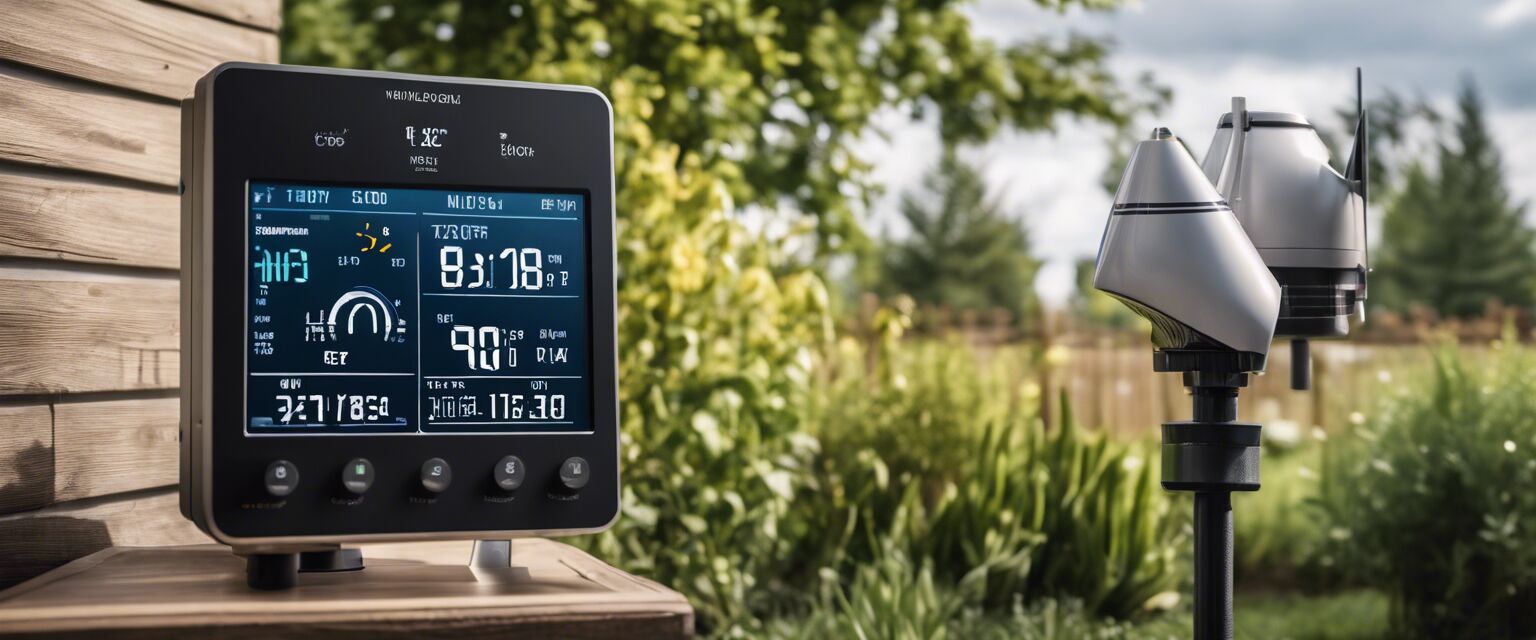
Top-Rated Home Weather Stations
Key Takeaways
- Home weather stations provide real-time data on various weather parameters.
- Different types of weather stations cater to diverse needs, from basic to advanced features.
- Wireless weather stations offer convenience and flexibility for home use.
- Investing in a quality weather station can enhance your understanding of local weather patterns.
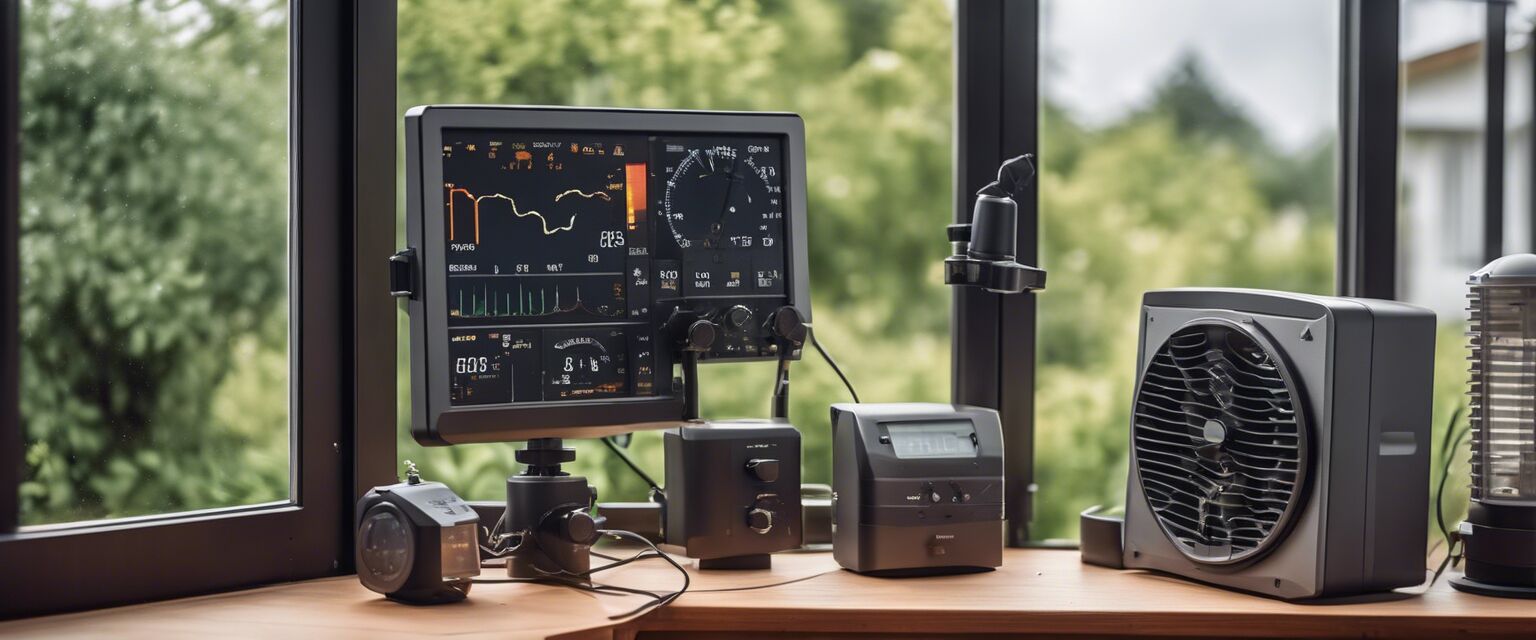
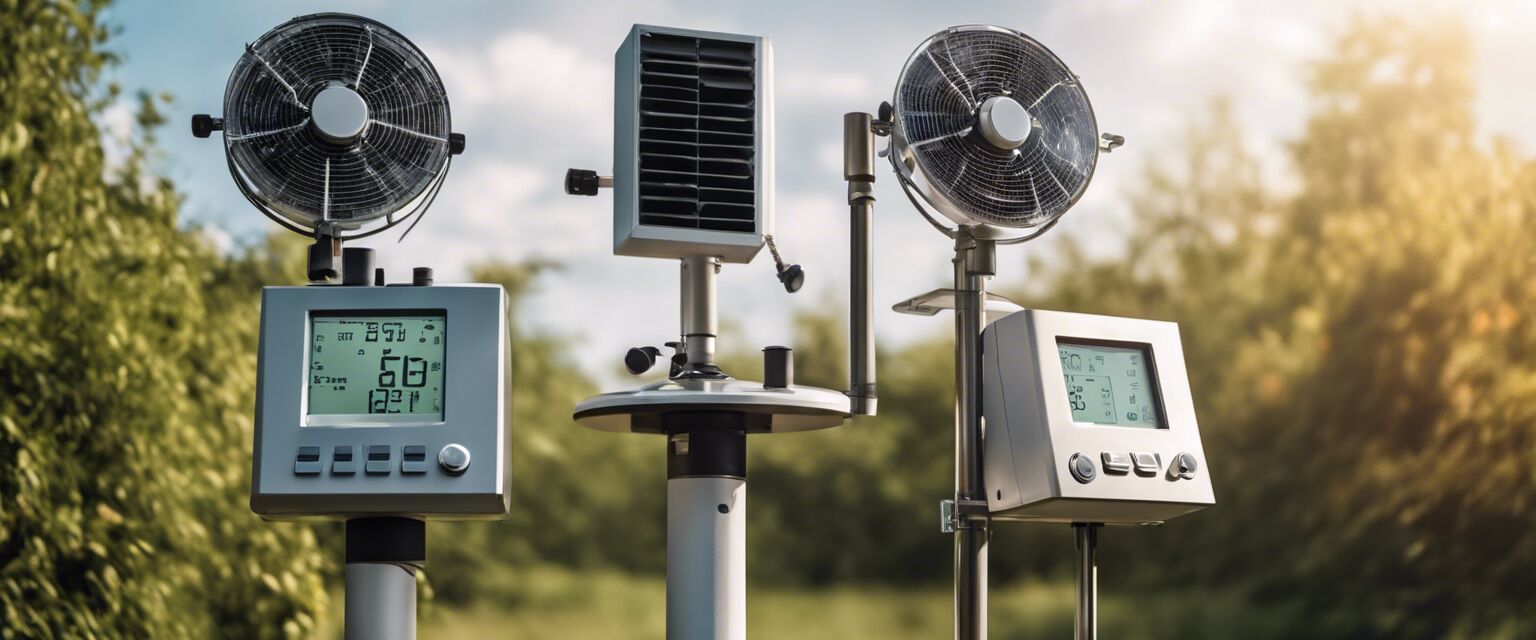
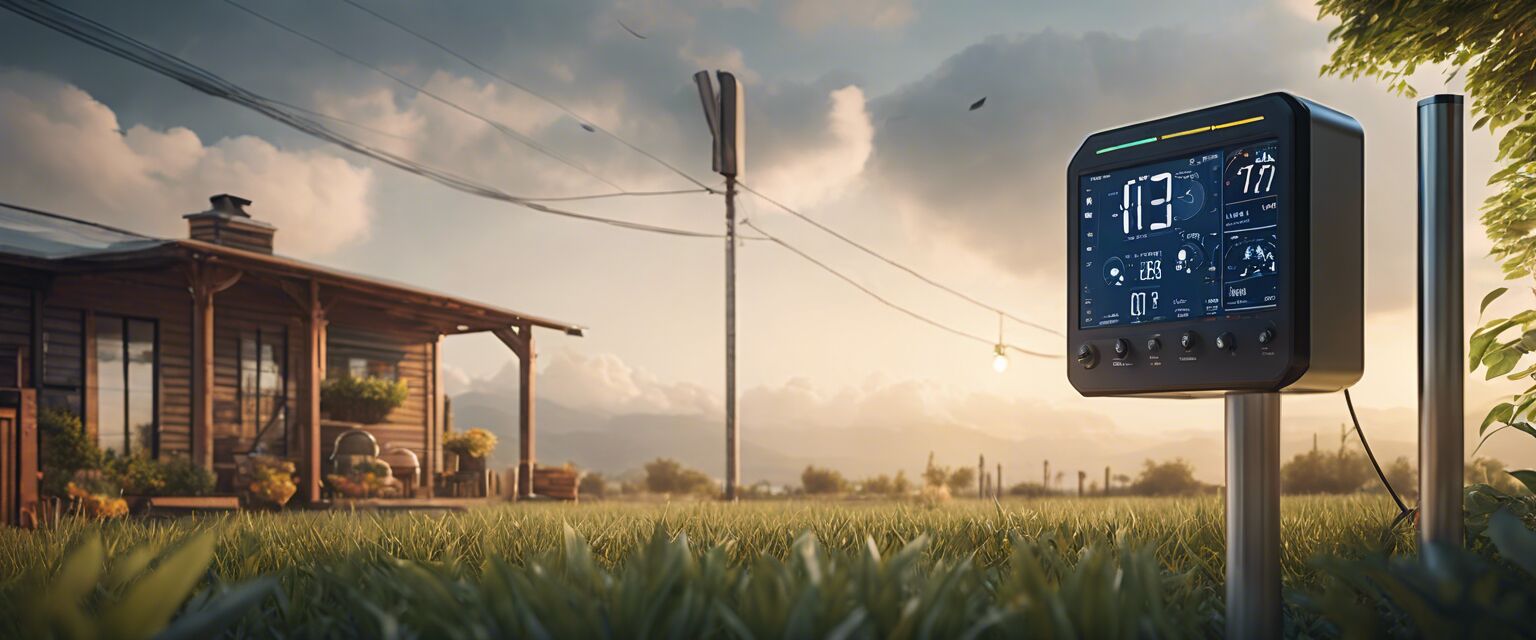
Are you eager to stay updated on the weather conditions in your area? With top-rated home weather stations, you can easily monitor temperature, humidity, rainfall, and more right from your backyard. This article explores various types of weather stations, their features, and what you should consider when choosing the best one for your needs.
Understanding Home Weather Stations
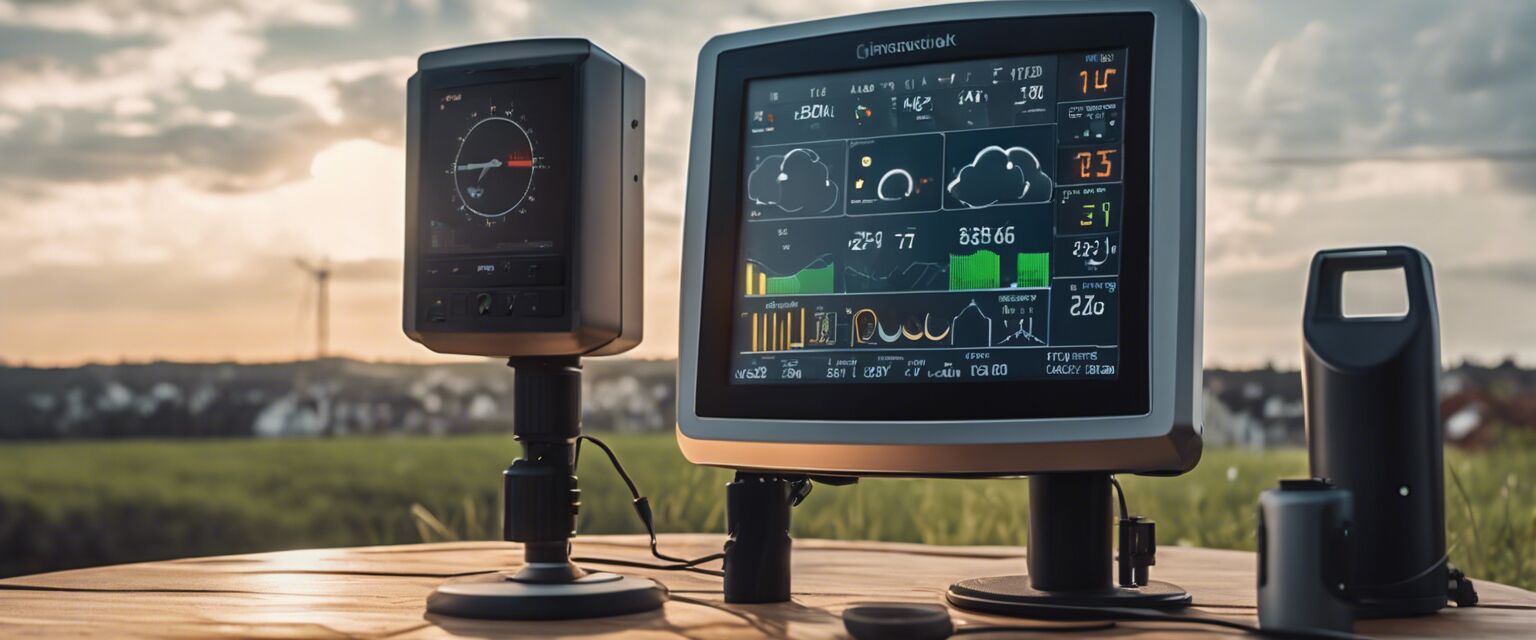
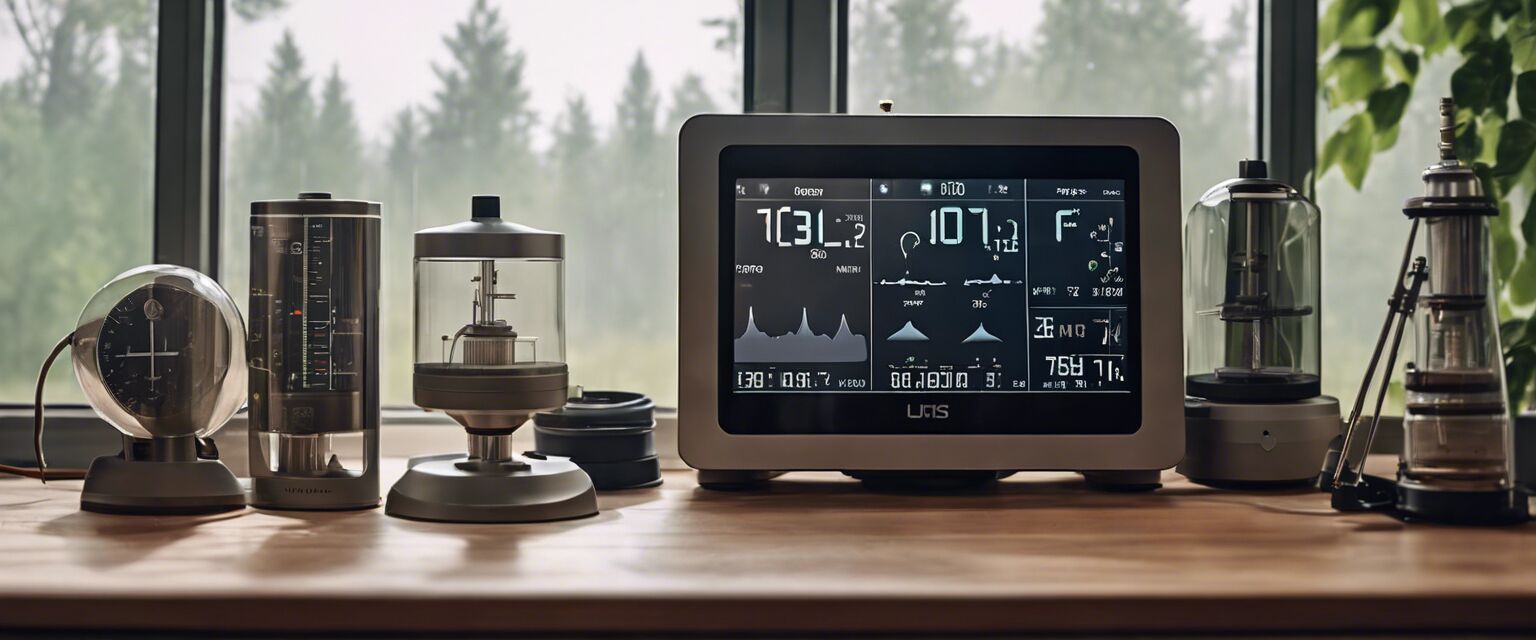
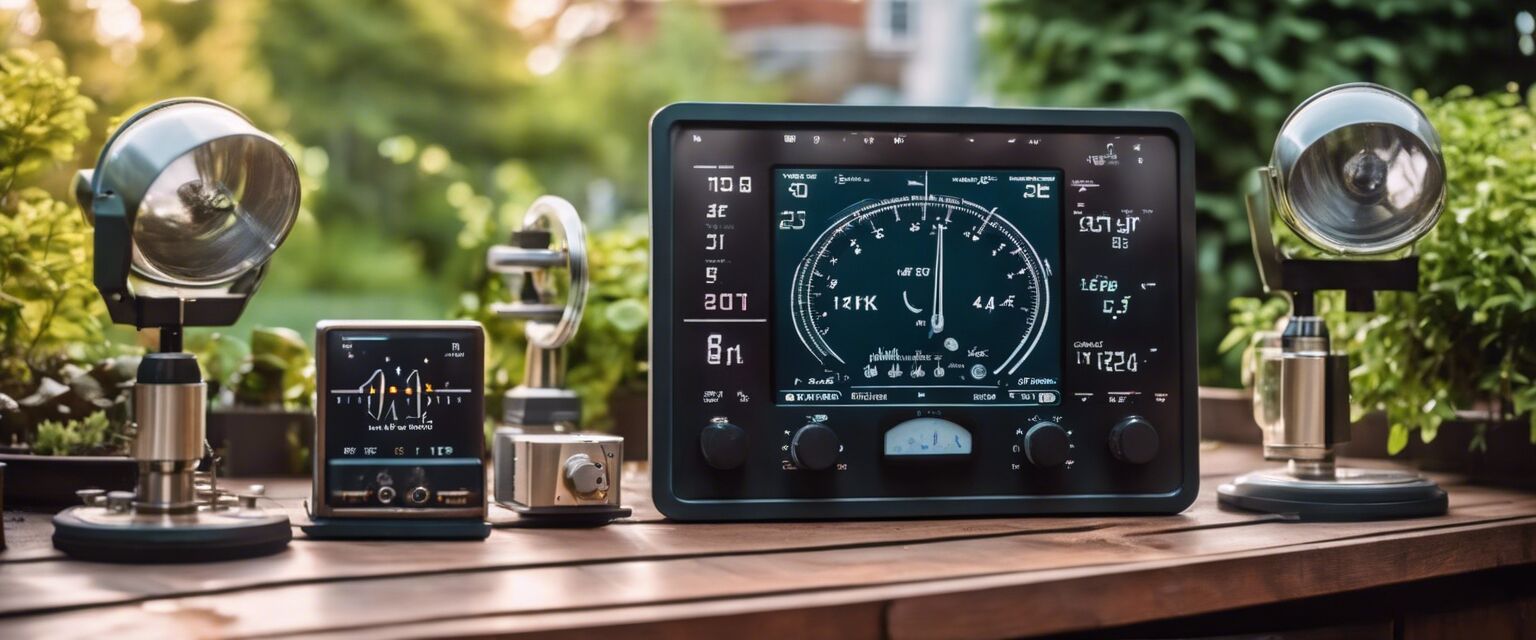
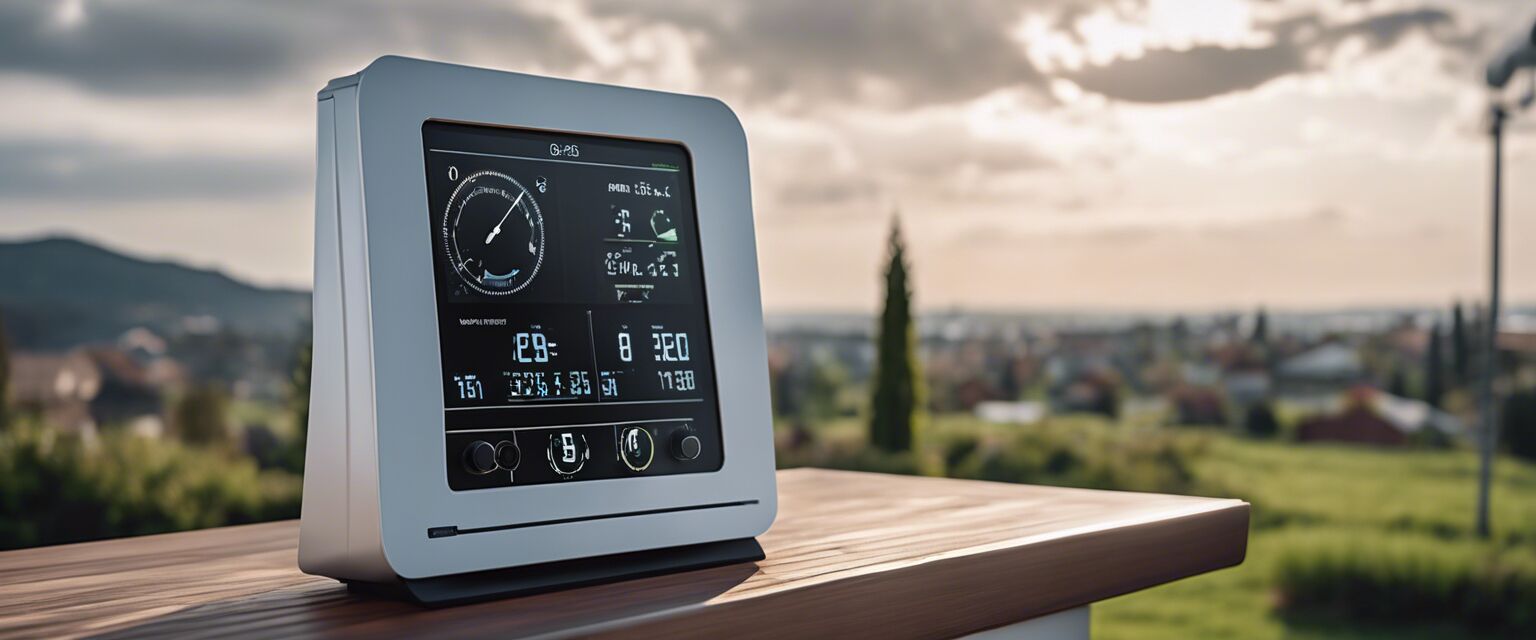
Home weather stations are devices that collect and display weather data. They come in various types, including analog, digital, and pluviographs. Each has unique features catering to different user preferences and needs.
Types of Home Weather Stations
| Type | Description | Best For |
|---|---|---|
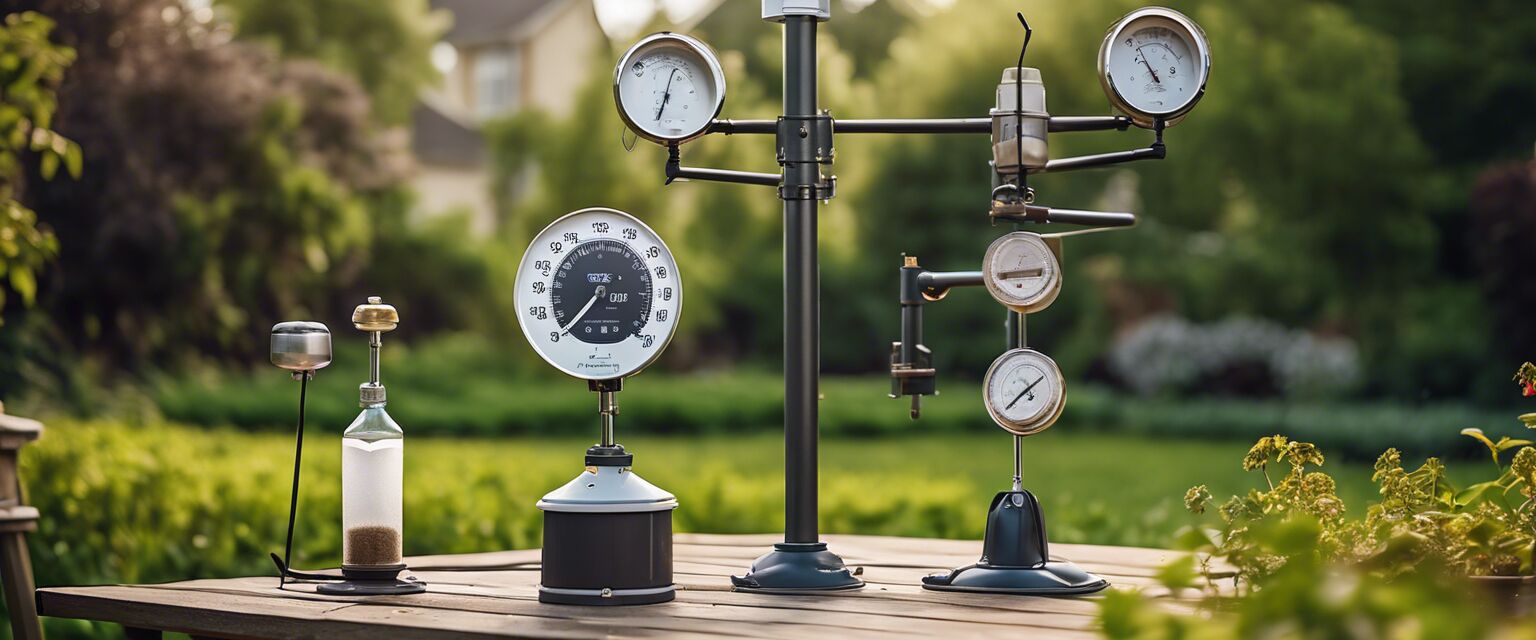
| Analog Weather Stations | Use mechanical gauges to display weather conditions. | Those who prefer classic designs. |
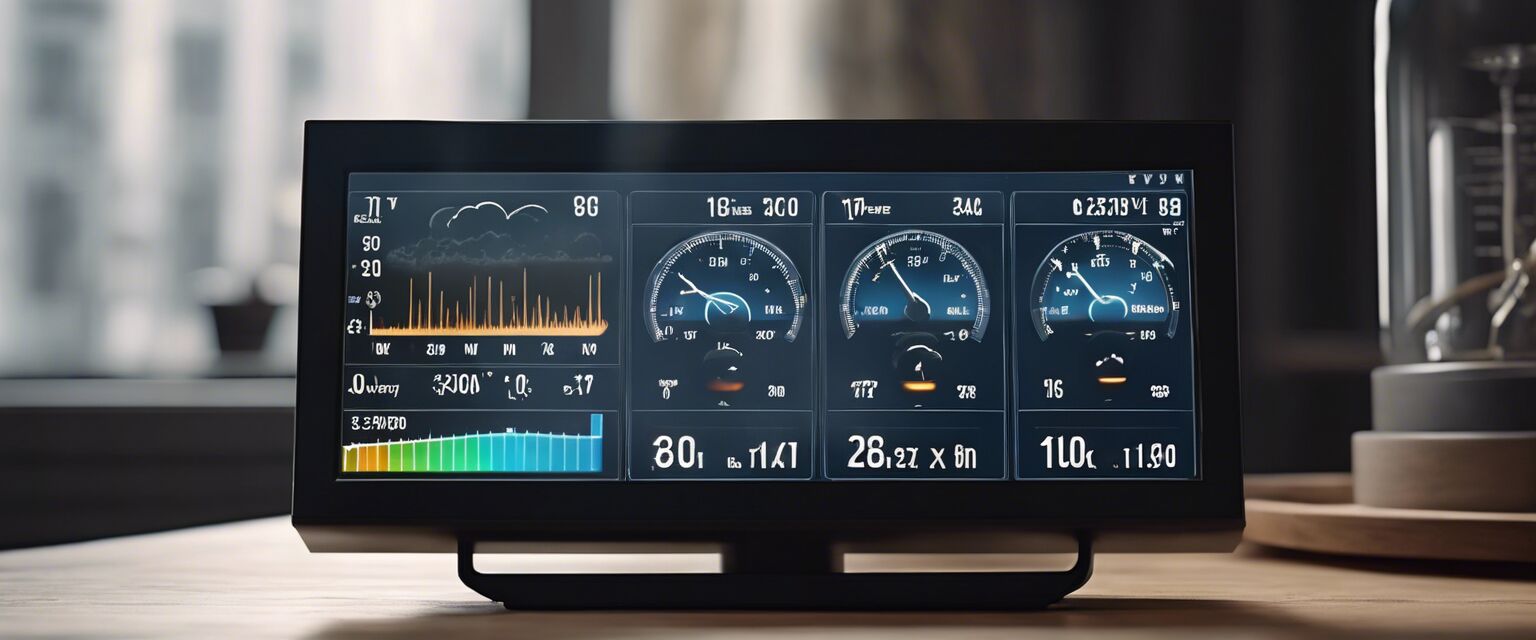
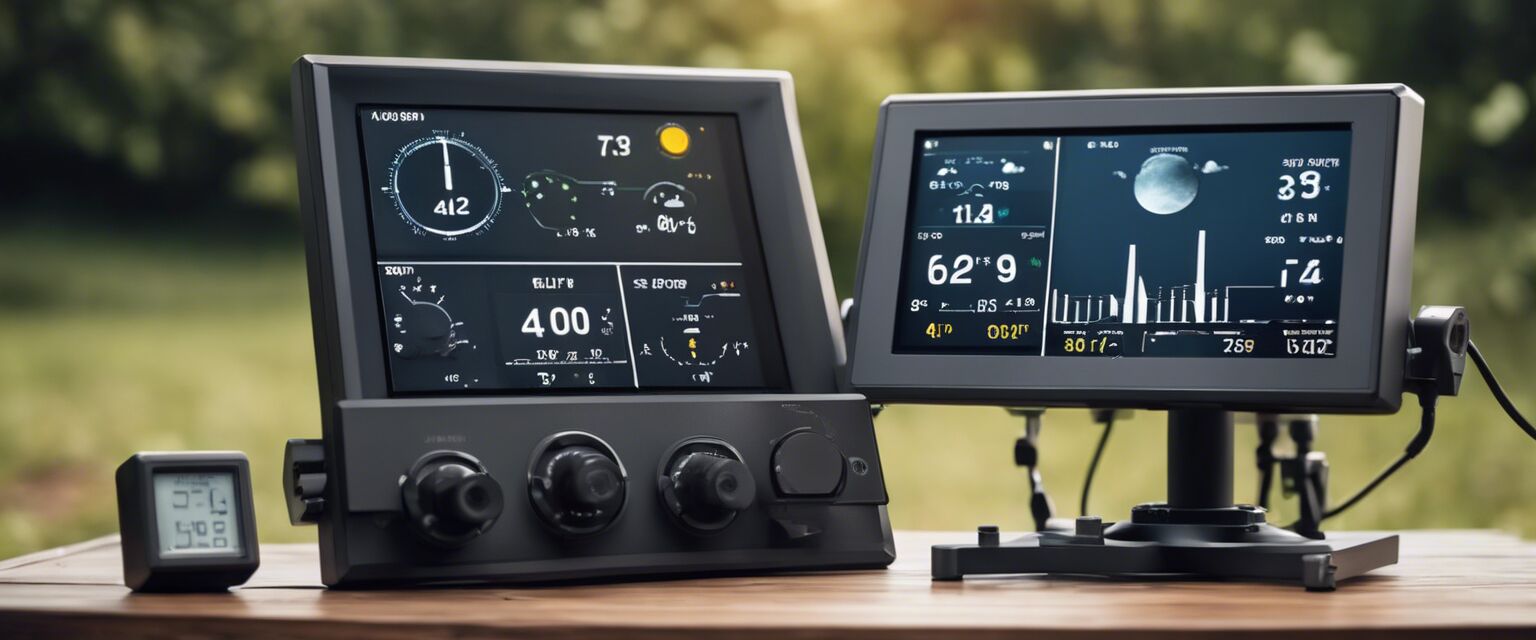
| Digital Weather Stations | Show weather data on an electronic display. | Tech-savvy users who want detailed information. |
| Pluviographs | Specialize in measuring rainfall amounts. | Gardeners and agricultural enthusiasts. |
| Portable Weather Stations | Compact and easy to transport. | Travelers and outdoor enthusiasts. |
| Professional Weather Stations | Advanced features and high accuracy. | Serious weather enthusiasts and researchers. |
| Wireless Weather Stations | Use wireless technology for data transmission. | Users seeking convenience and flexibility. |
Features to Consider
When selecting a home weather station, consider the following features:
- Data Accuracy: Look for stations with high precision sensors.
- Connectivity: Wireless stations often provide easier access to data.
- Ease of Use: User-friendly interfaces are essential for a seamless experience.
- Additional Sensors: Some stations offer extra sensors for wind, UV, and more.
- Data Logging: The ability to record and analyze historical data can be beneficial.
Comparing Popular Home Weather Stations
| Model | Type | Key Features | Price Range |
|---|---|---|---|
| WeatherMaster 3000 | Digital | Wi-Fi connectivity, multiple sensors, app integration | $150 - $200 |
| RainTrack Pro | Pluviograph | Advanced rainfall measurement, data logging | $120 - $180 |
| SkySense Wireless | Wireless | Real-time updates, solar-powered | $100 - $160 |
| Outdoor Expert 5000 | Professional | High accuracy, weather alerts, customizable settings | $250 - $350 |
Tips for Beginners
Getting Started with Home Weather Stations
- Start with a basic model to understand your needs.
- Read user reviews and comparisons to make an informed choice.
- Consider your location and the specific weather conditions you want to monitor.
- Follow the installation instructions carefully for accurate readings.
- Regularly maintain your station for optimal performance.
Pros and Cons of Home Weather Stations
Pros
- Real-time data helps in planning outdoor activities.
- Improves understanding of local weather patterns.
- Can be a fun hobby for weather enthusiasts.
- Some models offer connectivity for smartphone apps.
Cons
- Initial setup can be complicated for some models.
- Quality units can be pricey.
- Maintenance is required to ensure accurate readings.
- Wireless models may suffer from connectivity issues.
Common Questions About Home Weather Stations
How accurate are home weather stations?
The accuracy of home weather stations varies by model and manufacturer. Generally, higher-priced models with advanced sensors provide more precise data.
Can I connect my weather station to my smartphone?
Many modern weather stations offer app integration, allowing you to monitor your data remotely via a smartphone.
What is a pluviograph?
A pluviograph is a specialized instrument designed to measure and record rainfall over time, making it ideal for gardeners and those interested in local precipitation levels.
Conclusion
Choosing the right home weather station can significantly enrich your understanding of weather conditions in your area. Whether you're a casual observer or a serious weather enthusiast, thereâs a model out there that fits your needs. Explore our categories of analog weather stations, digital weather stations, and pluviographs to find the perfect device for your home.
Additional Resources
For more information on weather stations, check out our guides on portable weather stations and professional weather stations. Stay informed and connected with the weather around you!