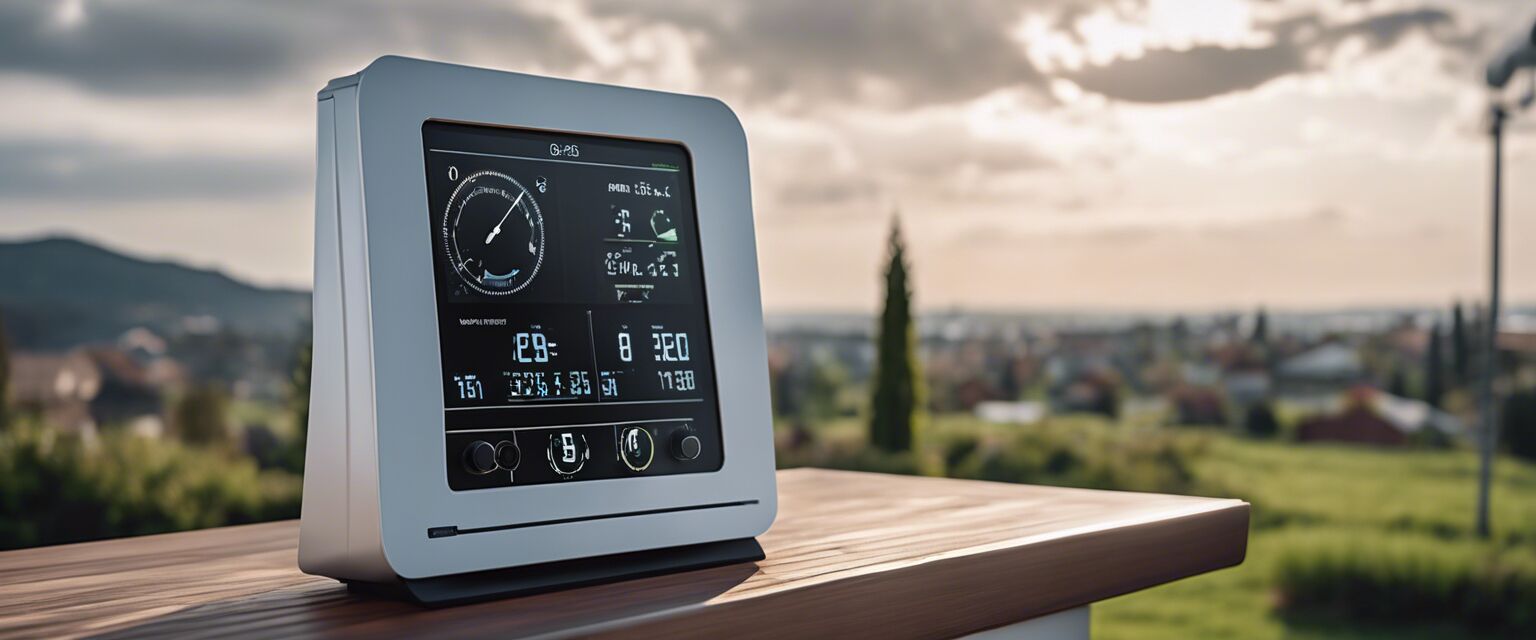
Home Weather Station Data Interpretation
Key Takeaways
- Understanding the significance of various weather parameters
- Techniques to effectively analyze and interpret data
- Practical applications of weather data for daily life
- Monitoring weather patterns to make informed decisions
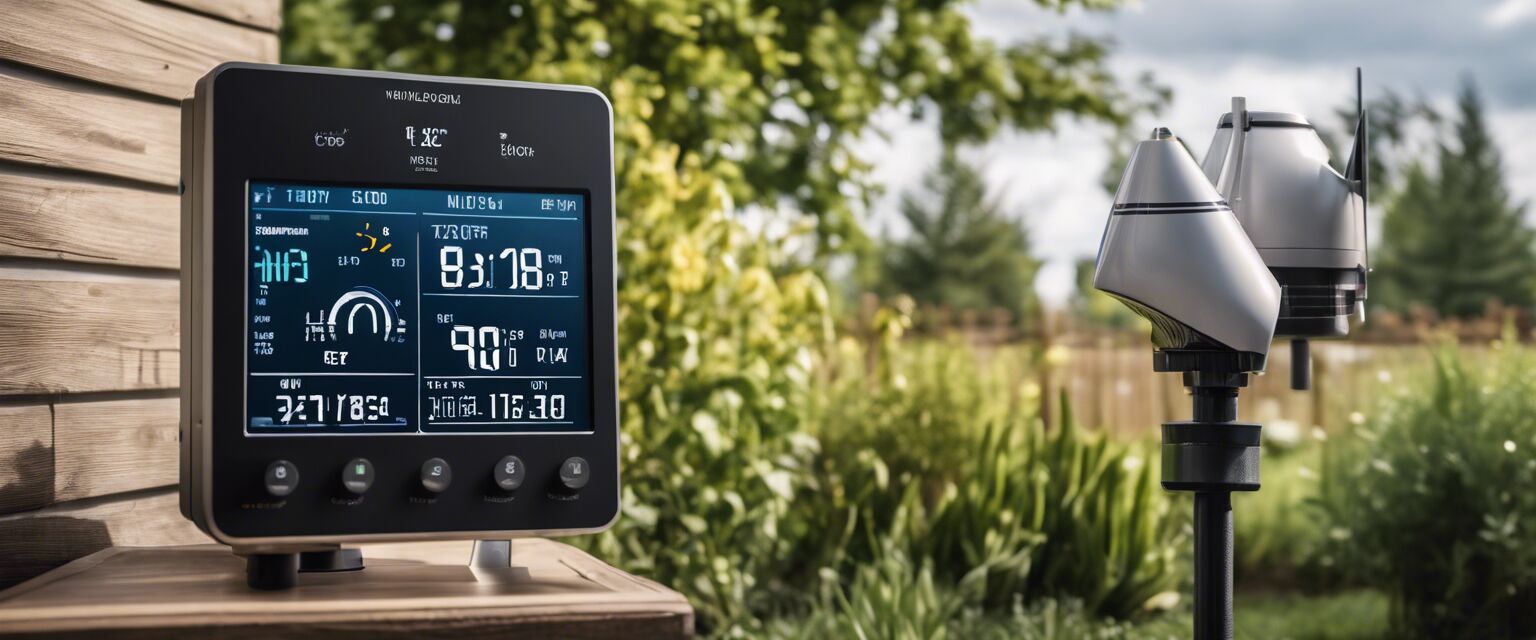
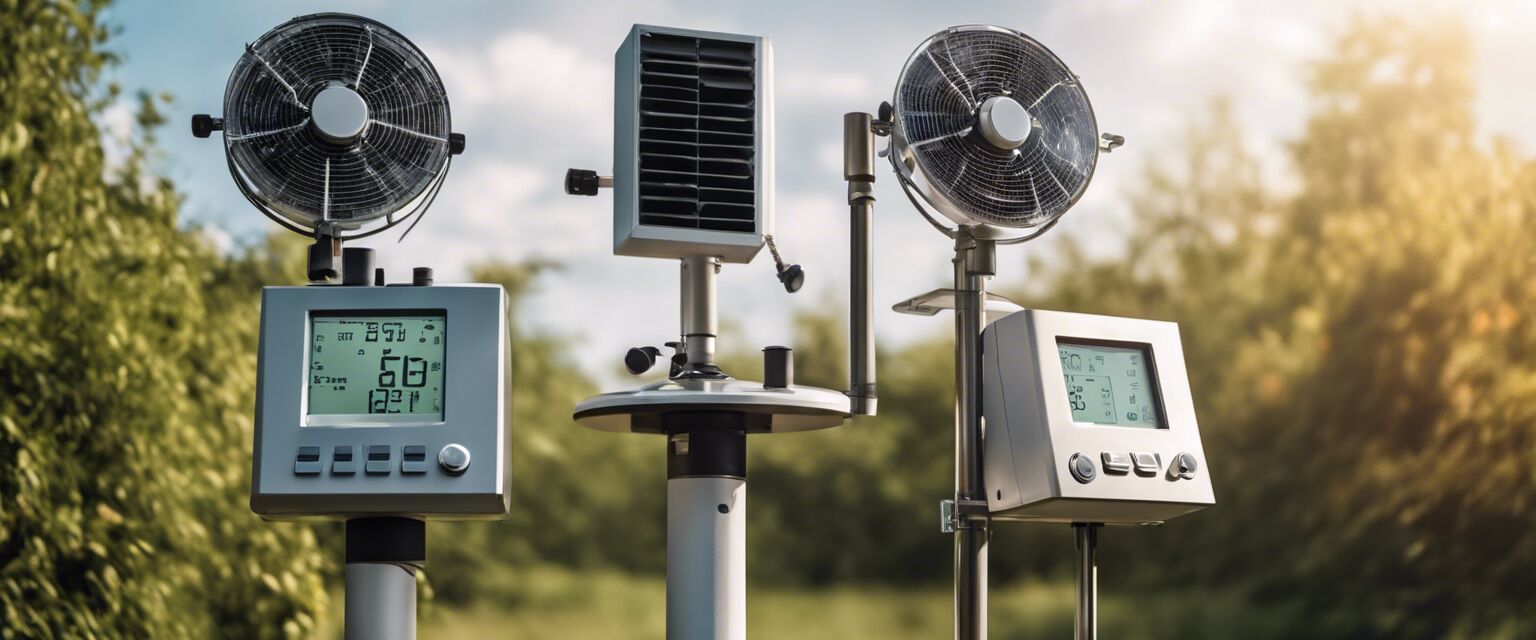
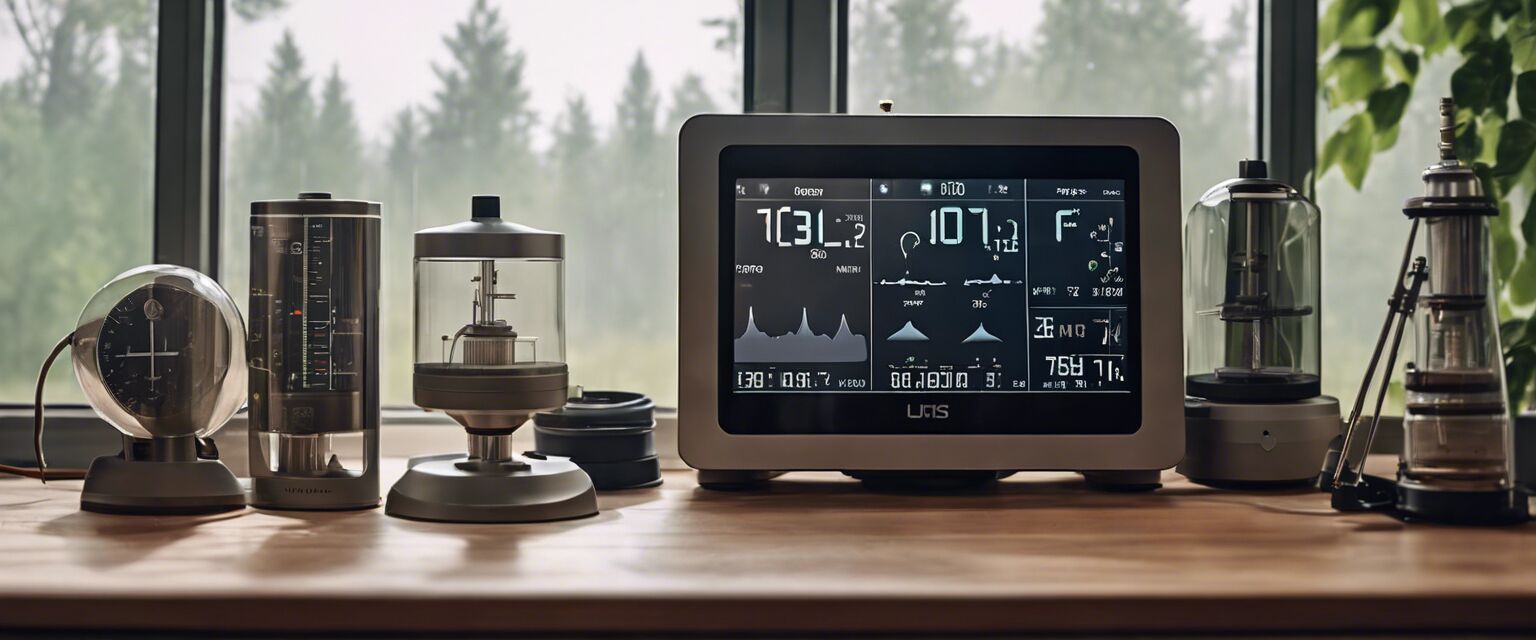
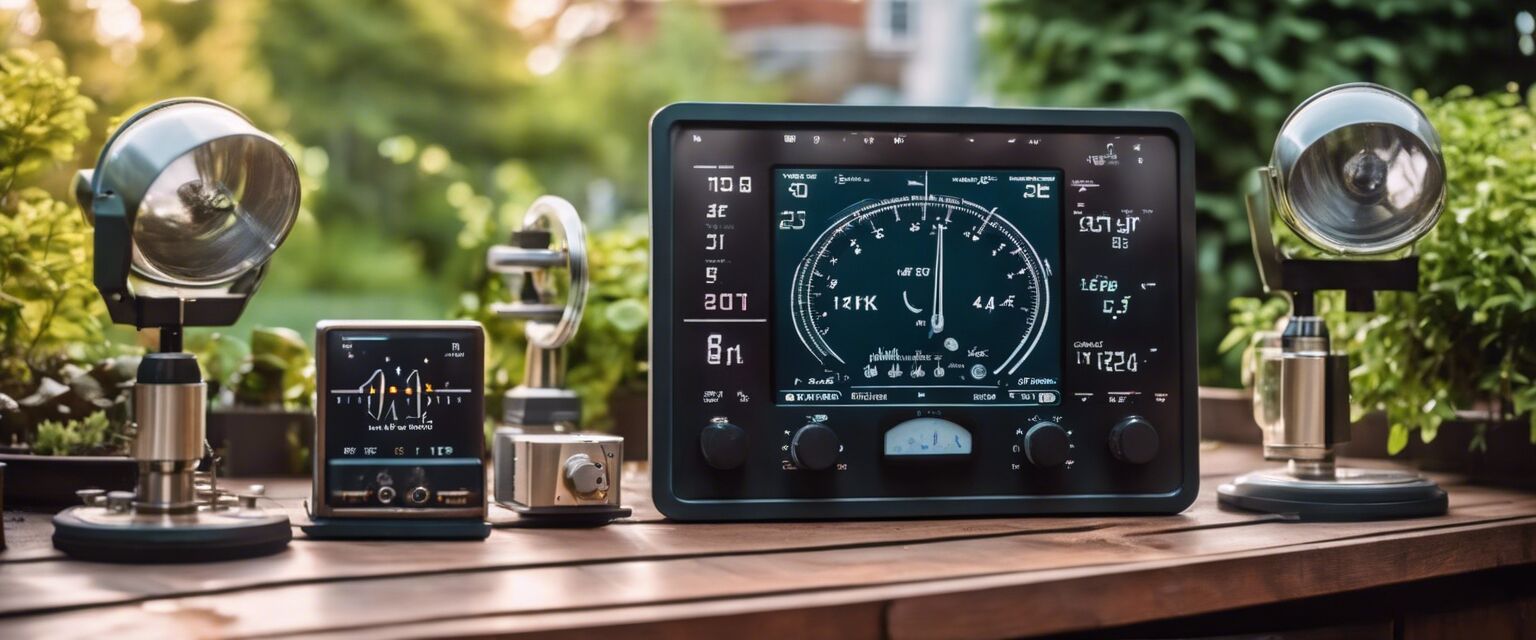
Home weather stations are valuable tools for observing and understanding local weather conditions. By interpreting data collected from these stations, users can gain insights into weather changes, track trends, and make informed decisions based on real-time information. This article delves into effective techniques for interpreting and utilizing data from home weather stations.
Understanding the Core Weather Parameters
Weather stations typically measure several core parameters, each of which provides different insights into your local weather conditions. Here are the primary parameters:
| Weather Parameter | Description | Common Units |
|---|---|---|
| Temperature | The degree of heat present in the atmosphere. | °C or °F |
| Humidity | The amount of moisture in the air. | % |
| Wind Speed | The speed of air movement in the atmosphere. | m/s or mph |
| Air Pressure | The weight of the atmosphere over a certain area. | hPa or inHg |
| Rainfall | The amount of precipitation over a period. | mm or inches |
Data Collection from Your Weather Station
Collecting accurate data is vital for interpretation. These weather stations can gather information continuously, often with the help of various sensors. Here's a breakdown of how data collection plays a crucial role:
- Continuous monitoring provides real-time updates.
- Data logging allows for historical trend analysis.
- Automated data collection ensures accuracy, reducing human error.
Setting Up Your Weather Station
To ensure accurate data collection, follow these key steps during setup:
- Choose a suitable location with minimal obstructions.
- Calibrate the sensors according to the manufacturer's instructions.
- Regularly maintain and clean the equipment to ensure optimal functioning.
Techniques for Data Interpretation
Once data is collected, interpretation becomes key. Here are some techniques that can help you make sense of the data:
1. Analyzing Temperature Trends
Temperature data can indicate seasonal changes and daily fluctuations. By tracking temperature over time, you can identify patterns related to your local climate.
2. Understanding Humidity Levels
Humidity can affect comfort levels significantly. Monitoring humidity in conjunction with temperature can help you understand how these two factors interact.
3. Wind Speed Analysis
Wind speed data is essential for understanding the impact of weather on outdoor activities and can help you plan events accordingly.
4. Monitoring Rainfall Patterns
Tracking rainfall helps in understanding precipitation trends, vital for gardening, farming, and water resource management.
Using Weather Data for Practical Applications
Interpreting data can have several practical applications including:
- Planning agricultural activities by understanding soil moisture levels.
- Preparing for outdoor activities based on wind speed and precipitation forecasts.
- Improving energy efficiency in homes by monitoring temperature and humidity.
Common Mistakes to Avoid
It's easy to misinterpret data if you aren't familiar with meteorological concepts. Here are some common pitfalls:
- Ignoring daily fluctuations and focusing only on averages.
- Not accounting for seasonal variations when analyzing data.
- Overlooking calibration errors that can skew interpretations.
More Resources
If you're looking to learn more about home weather stations, consider visiting our product categories:
- Analog Weather Stations
- Digital Weather Stations
- Pluviographs
- Portable Weather Stations
- Professional Weather Stations
Conclusion
Interpreting home weather station data enhances our understanding of the environment and helps make informed decisions. By learning about the various parameters and employing effective analysis techniques, users can gain significant insights into their local weather patterns.
Tips for Beginners
- Start by familiarizing yourself with basic weather concepts.
- Use online resources to expand your knowledge of weather patterns.
- Join communities of weather enthusiasts for additional support and information.
Pros
- Real-time monitoring of local weather conditions.
- Access to historical data for trend analysis.
- Helpful for planning outdoor activities and gardening.
Cons
- Requires an initial investment in equipment.
- Setup may be complex for beginners.
- Data can be subject to misinterpretation without proper knowledge.