The Ultimate Guide to Home Weather Stations
Key Takeaways
- Home weather stations provide accurate weather data tailored for personal use.
- There are several types of weather stations, including analog, digital, and pluviographs.
- Understanding the features of each type will help you choose the right device for your needs.
- Consider factors like ease of use, data accuracy, and additional features when selecting a weather station.
Home weather stations have become increasingly popular among gardening enthusiasts, DIYers, and anyone who loves to stay informed about local weather conditions. This guide will explore the various types of weather stations available, their features, and how to choose the right one for your needs.
Types of Home Weather Stations
There are several categories of home weather stations, each designed for different types of users. Below is a breakdown of the main types:
| Type | Description | Key Features |
|---|---|---|
| Analog Weather Stations | Traditional weather stations using mechanical instruments. | Simple design, easy to read, no batteries required. |
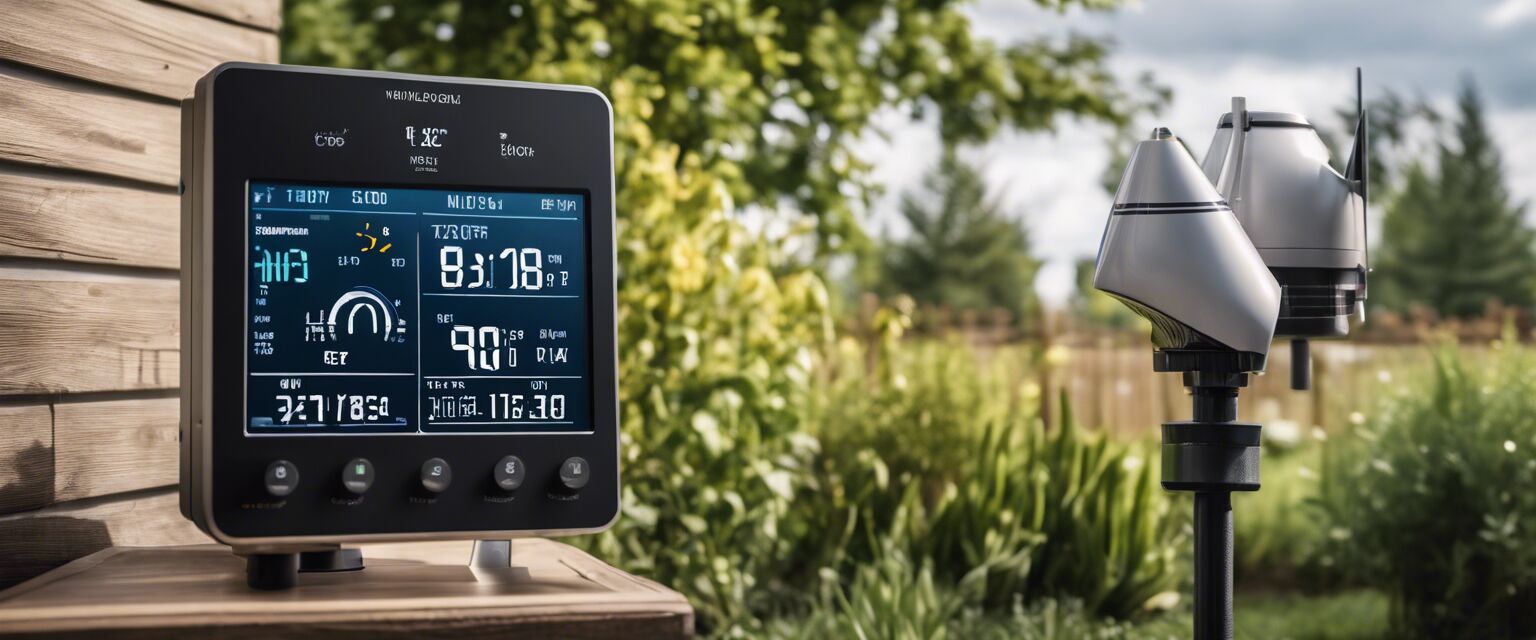
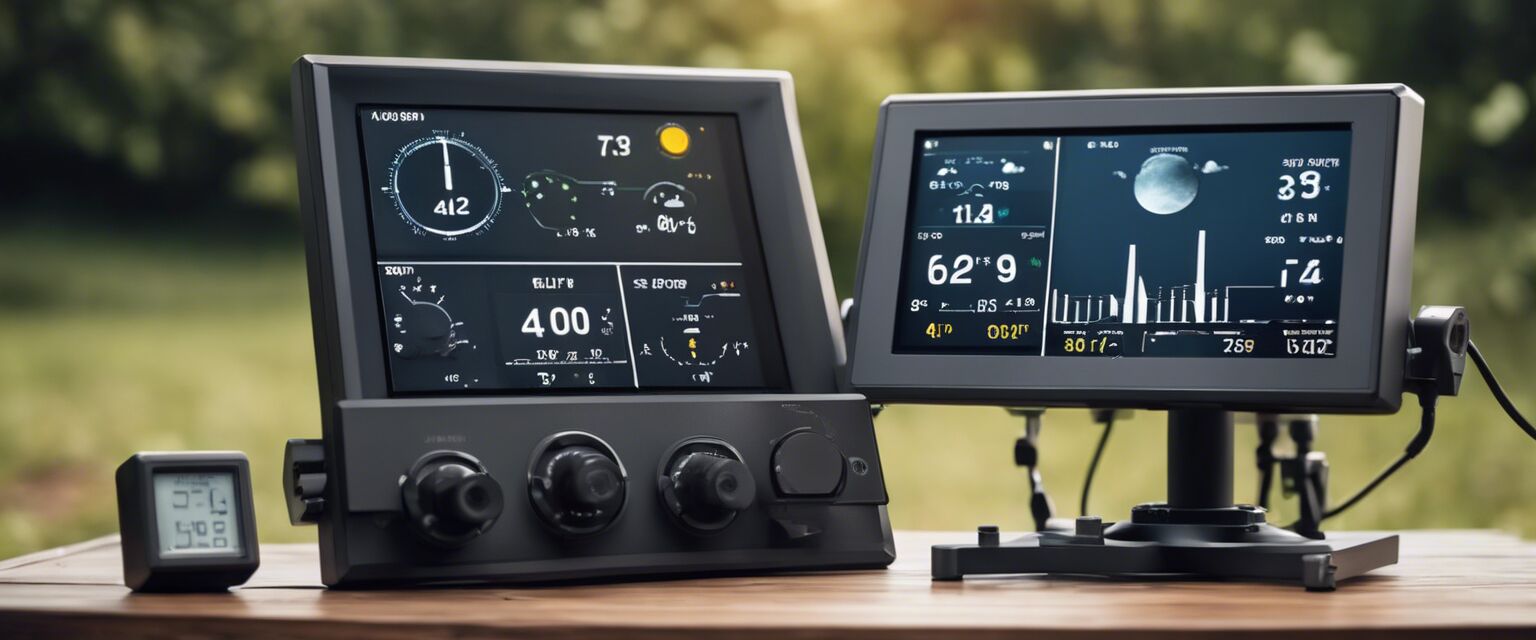
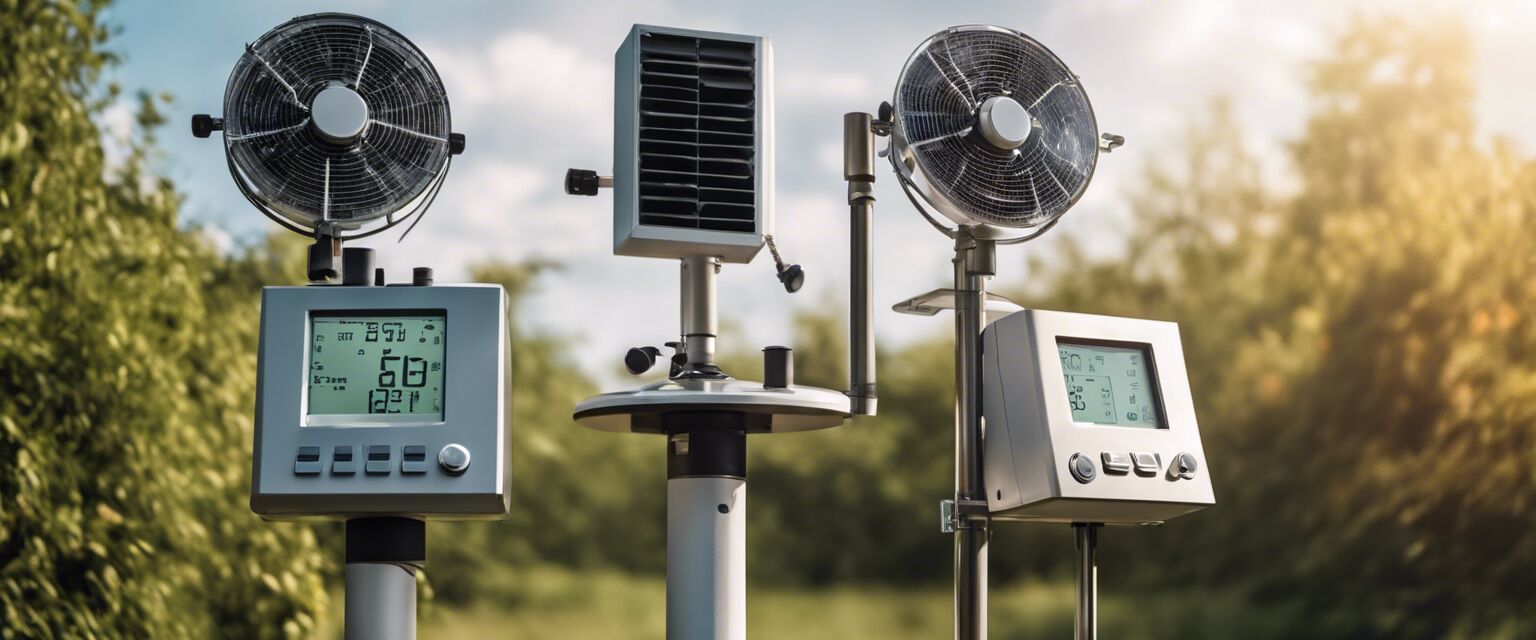
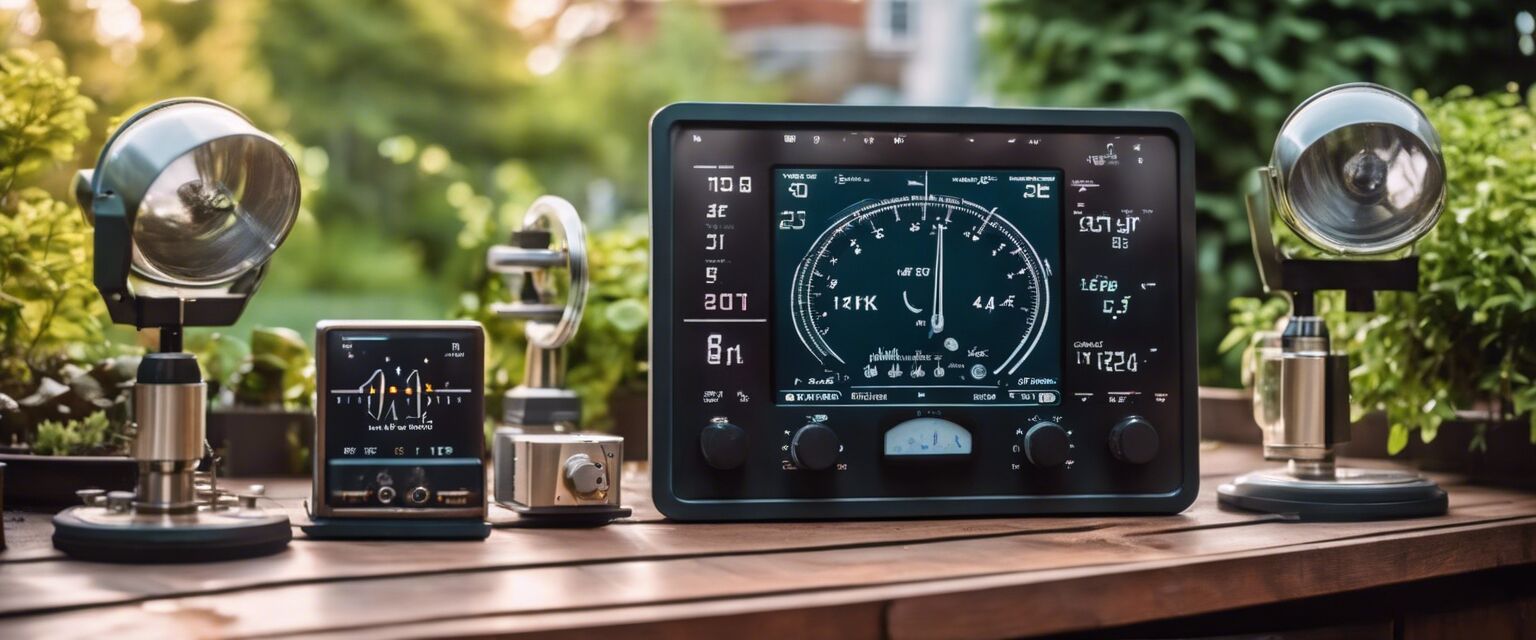
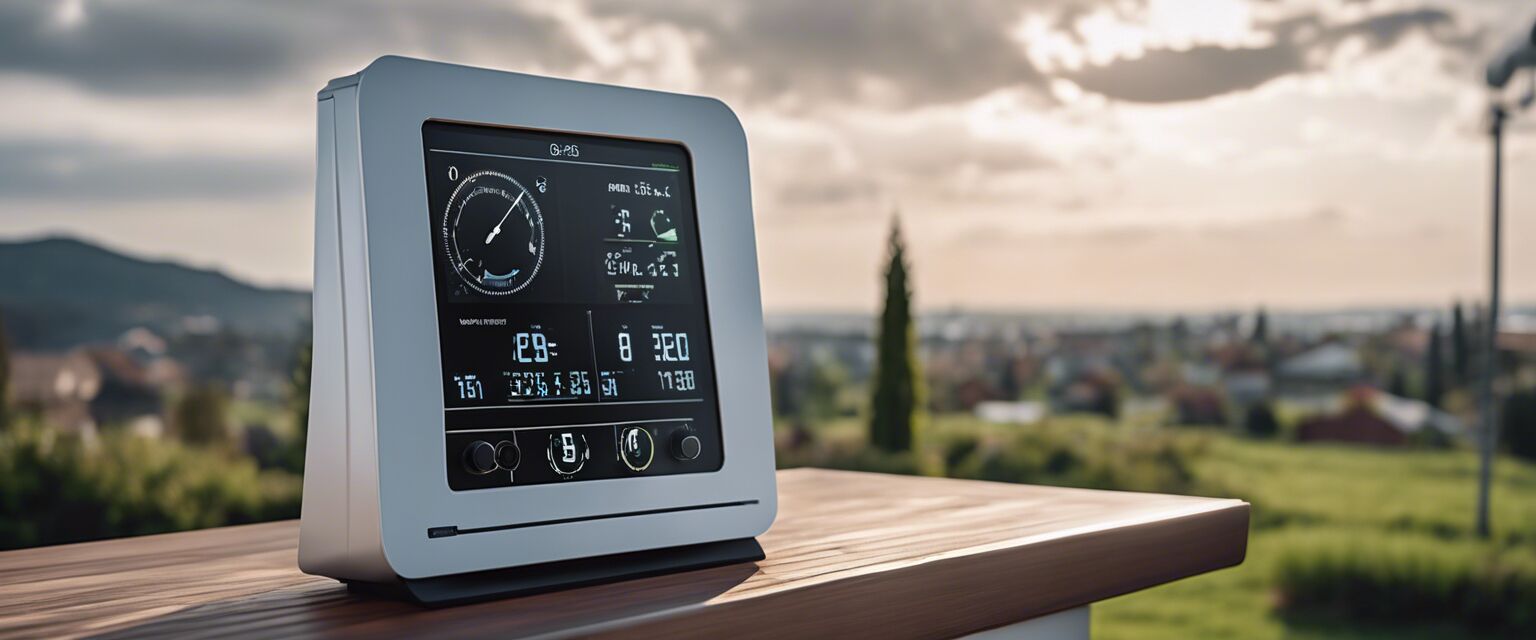
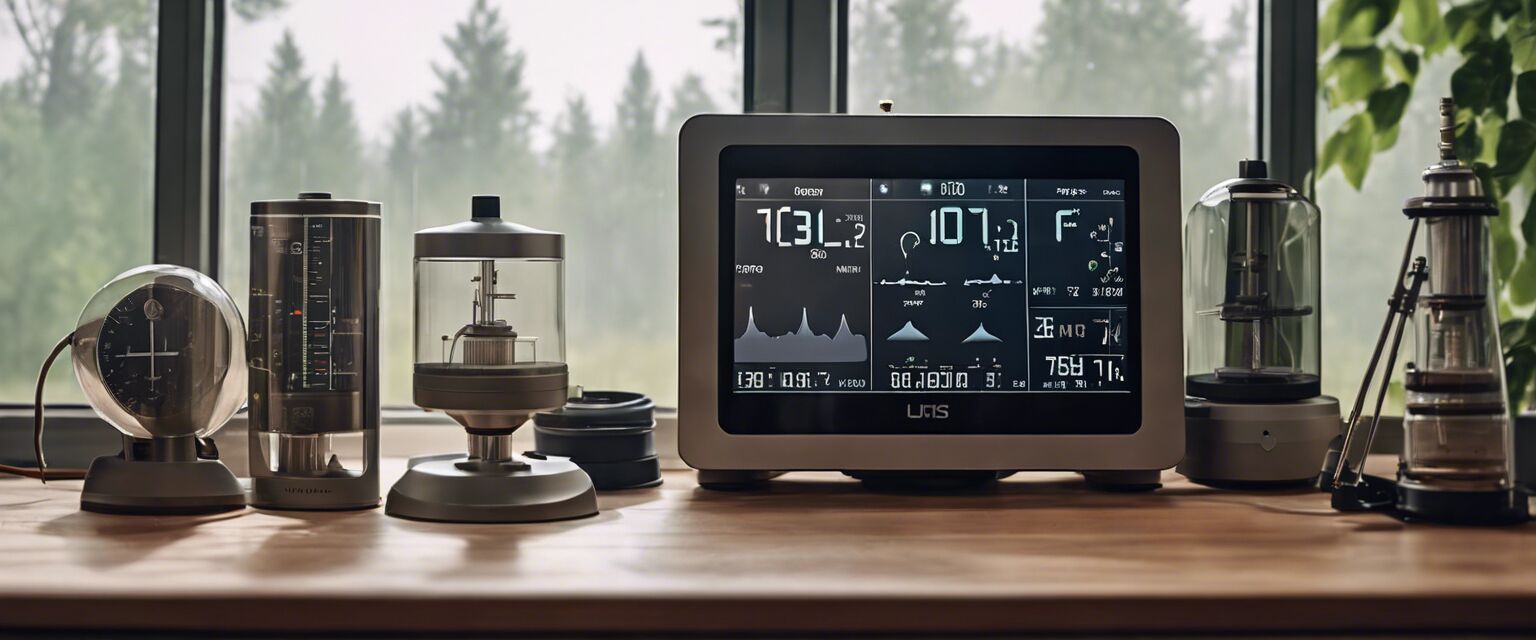
| Digital Weather Stations | Modern weather stations that display data digitally. | Multiple sensors, digital readouts, often include indoor/outdoor temperature. |
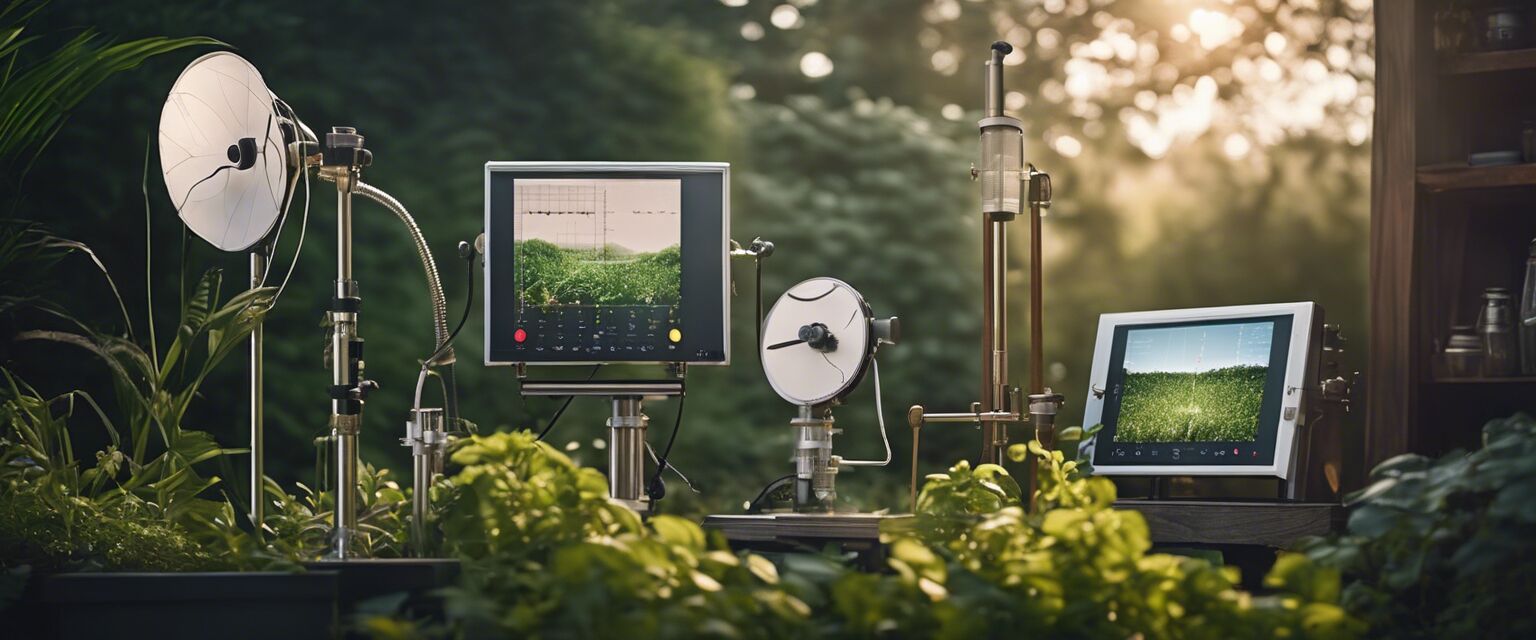
| Pluviographs | Specialized instruments for measuring rainfall. | Accurate rain measurement, often connected to digital systems. |
| Portable Weather Stations | Compact and easy-to-carry units for on-the-go measurements. | Lightweight, battery-operated, often include GPS features. |
| Professional Weather Stations | Advanced systems for serious weather tracking. | High accuracy, multiple sensors, data logging capabilities. |
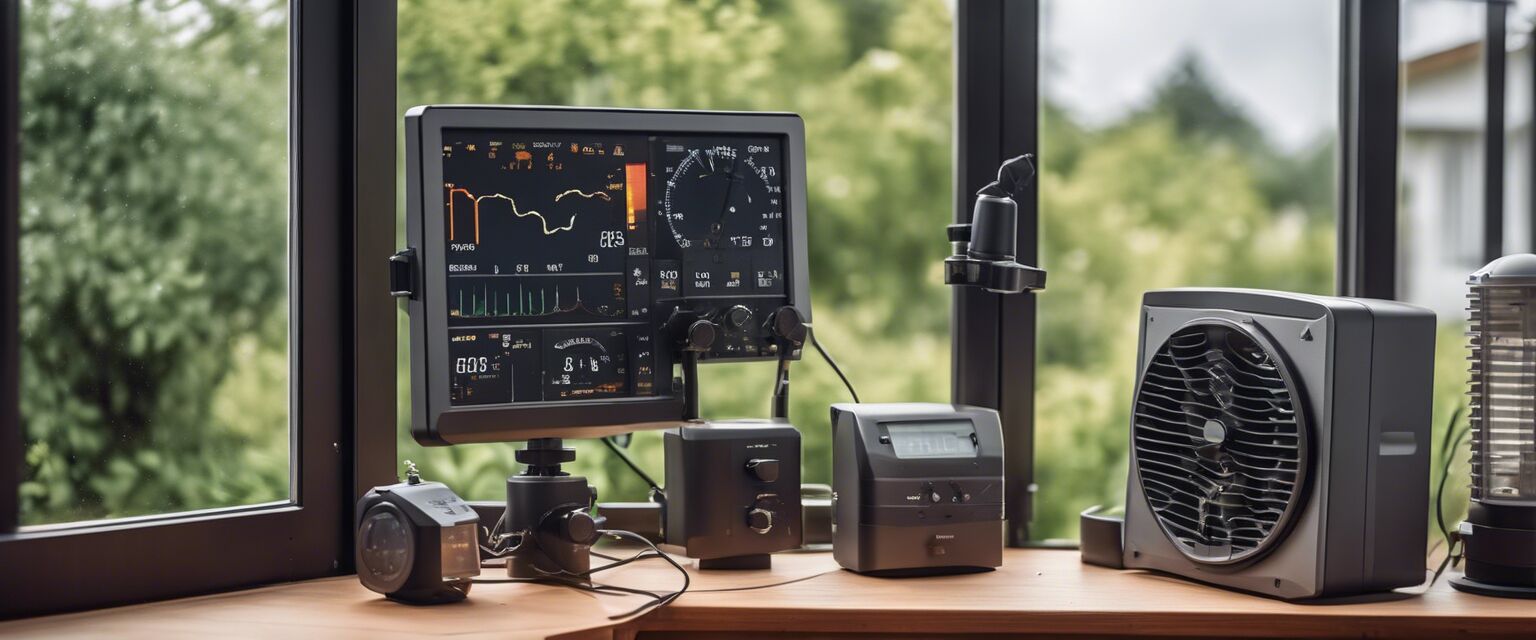
| Wireless Weather Stations | Weather stations that transmit data wirelessly to a display unit. | No wires needed, easy installation, often includes smartphone apps. |
Understanding Key Features
When choosing a home weather station, it's important to consider the features that will best suit your needs. Here are some key features to look out for:
- Data Accuracy: Ensure the station provides reliable and accurate data.
- Ease of Use: Look for user-friendly interfaces and clear displays.
- Range of Measurements: Consider what weather metrics you want to trackâtemperature, humidity, rainfall, etc.
- Connectivity: Wireless options often provide better flexibility and convenience.
- Durability: A weather station should withstand your local weather conditions.
Benefits of Home Weather Stations
Home weather stations offer numerous advantages, including:
- Personalized Weather Data: Get hyper-local weather information tailored to your specific location.
- Informed Decisions: Use real-time data to make better decisions regarding gardening, outdoor activities, or travel.
- Educational Value: Teach yourself and your family about weather patterns and meteorology.
- Historical Data: Track weather trends over time for better understanding and planning.
Comparing Home Weather Stations
To help you further understand the differences between various types of weather stations, here's a comparison table:
| Feature | Analog Weather Stations | Digital Weather Stations | Pluviographs | Portable Weather Stations |
|---|---|---|---|---|
| Ease of Use | Very Easy | Easy | Moderate | Very Easy |
| Data Accuracy | Moderate | High | Very High | Moderate |
| Price Range | Low | Moderate | Higher | Moderate |
| Durability | High | Moderate | High | Moderate |
Installation and Maintenance Tips
Beginners Section
- Choose an appropriate location for your weather station, away from obstructions.
- Ensure all sensors are properly calibrated for accurate readings.
- Regularly clean the sensors to maintain data accuracy.
- Keep an eye on the battery levels if your station is battery-operated.
Conclusion
Investing in a home weather station can offer you valuable insights into your local weather patterns. Whether you choose an analog weather station, a digital weather station, or a specialized pluviograph, understanding your needs will lead you to the right choice. By following the tips outlined in this guide, you will ensure that you get the most out of your home weather station experience.
Pros
- Provides accurate and localized weather data.
- Helps in planning outdoor activities.
- Can be educational for families and children.
- Allows tracking of weather changes over time.
Cons
- Some models can be expensive.
- Requires some setup and maintenance.
- Data may vary based on sensor positioning.
- Not all models are user-friendly.