DIY Home Weather Station Projects
Key Takeaways
- You can create a variety of DIY home weather stations with simple materials.
- Customization options allow for personal preferences in style and functionality.
- Tracking weather conditions can be both engaging and educational.
- A variety of materials and tools are needed depending on the complexity of the project.
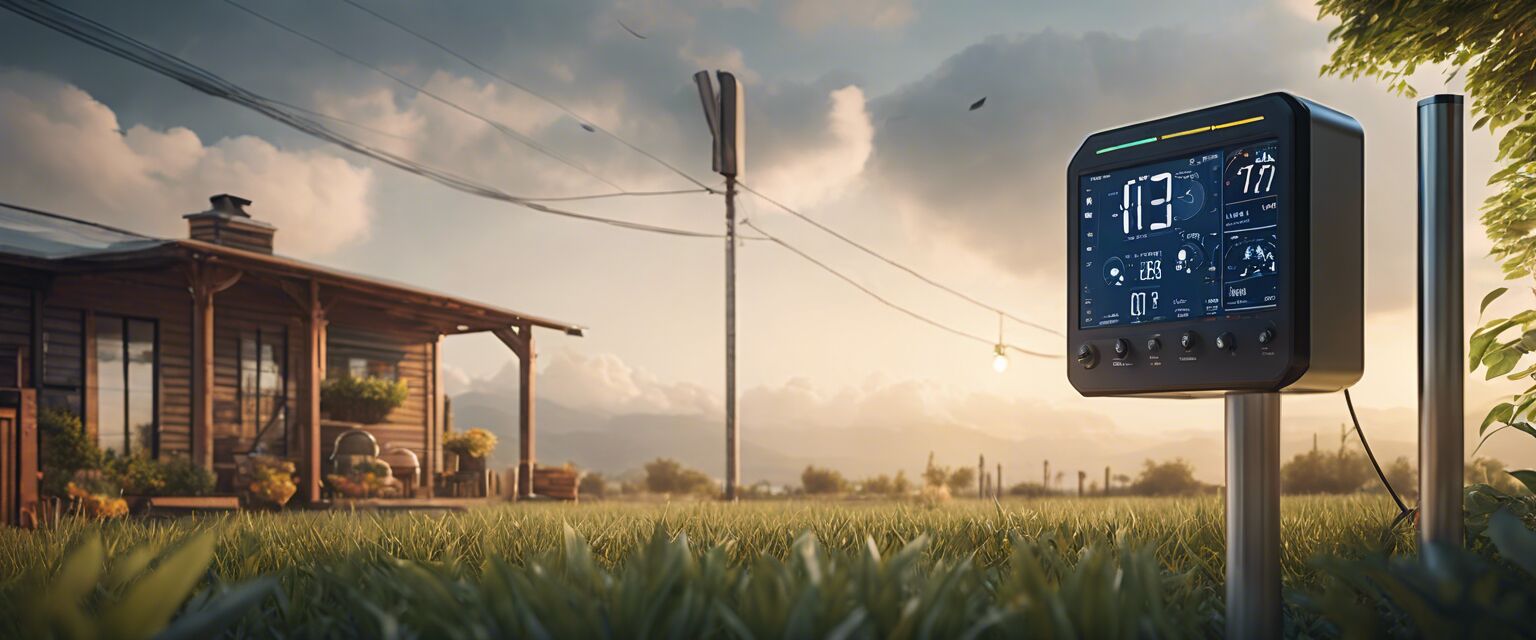
Creating your own DIY home weather station can be an enjoyable and educational project. Not only does it allow you to observe daily weather conditions, but it can also teach you about meteorological concepts in an interactive way. In this article, we will explore different types of home weather stations that you can build, recommend useful materials, and provide step-by-step instructions for each type of station.
Types of DIY Home Weather Stations
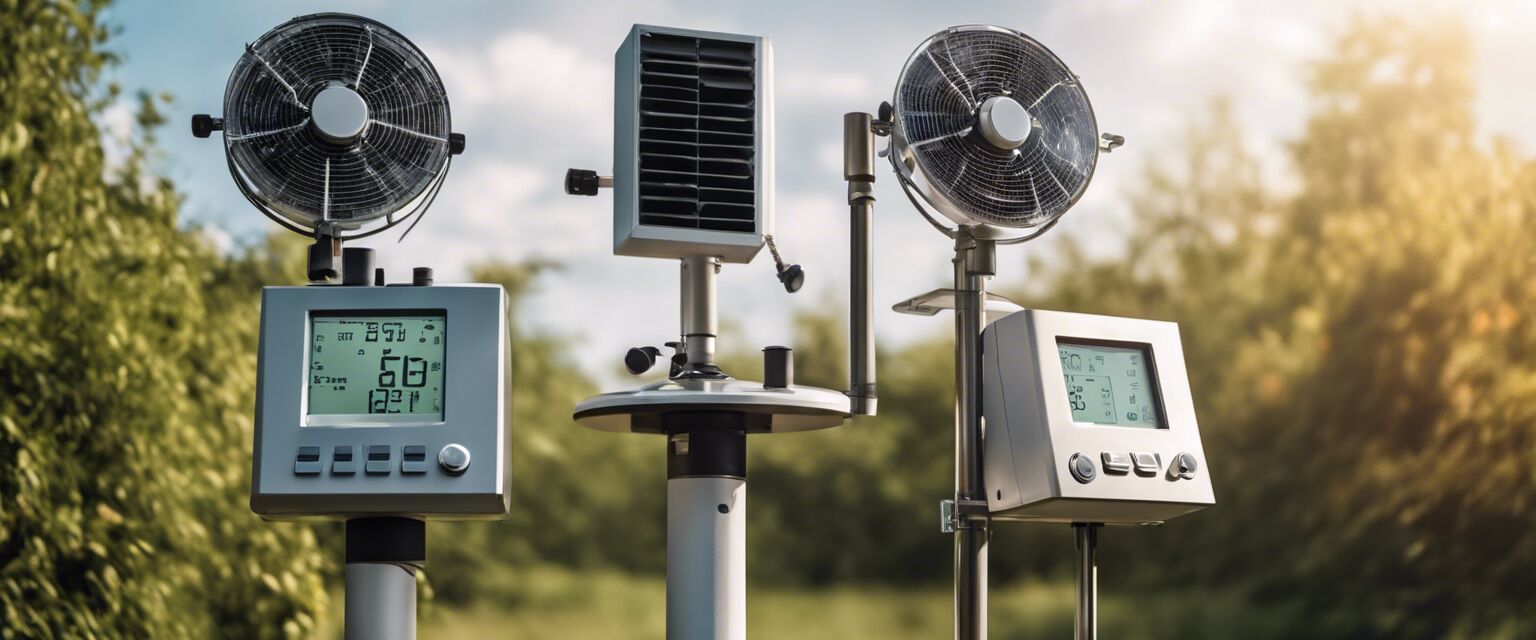
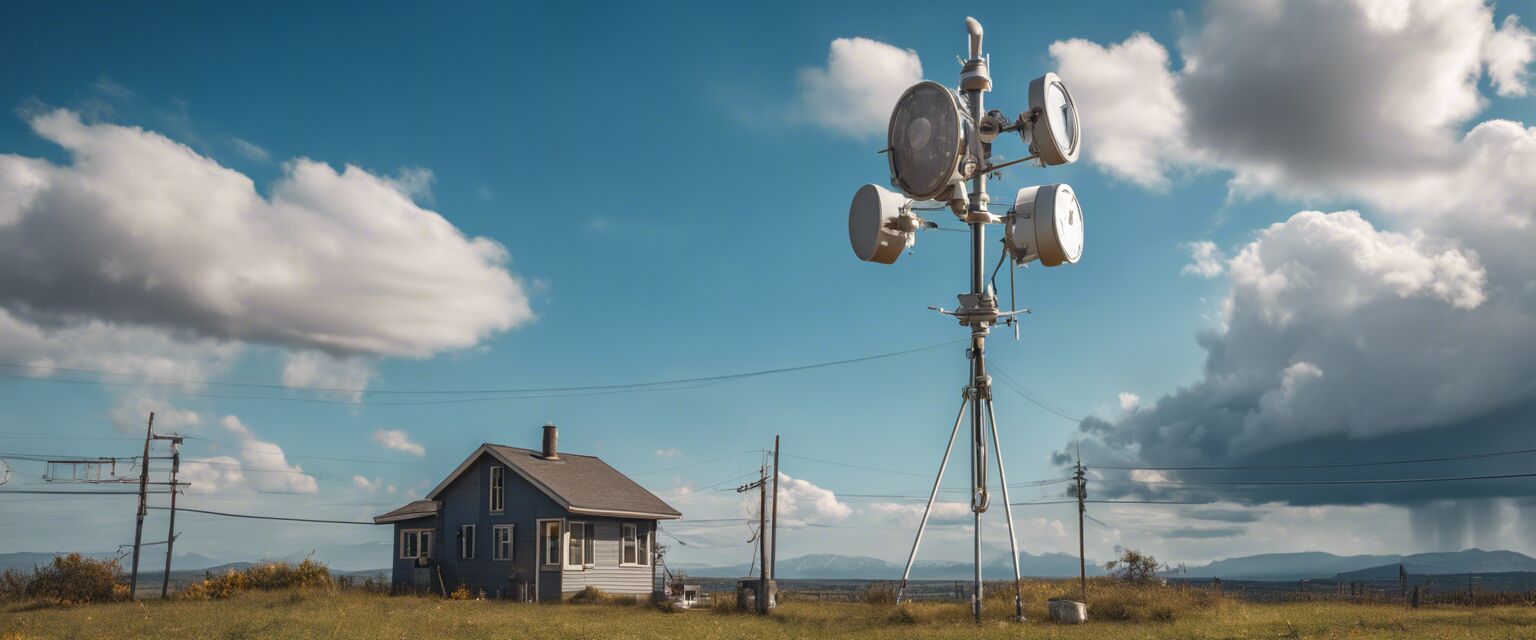
There are several types of weather stations you can build, depending on your interests and the specific data you wish to track. Here are a few popular options:
- Pluviographs - Measure rainfall.
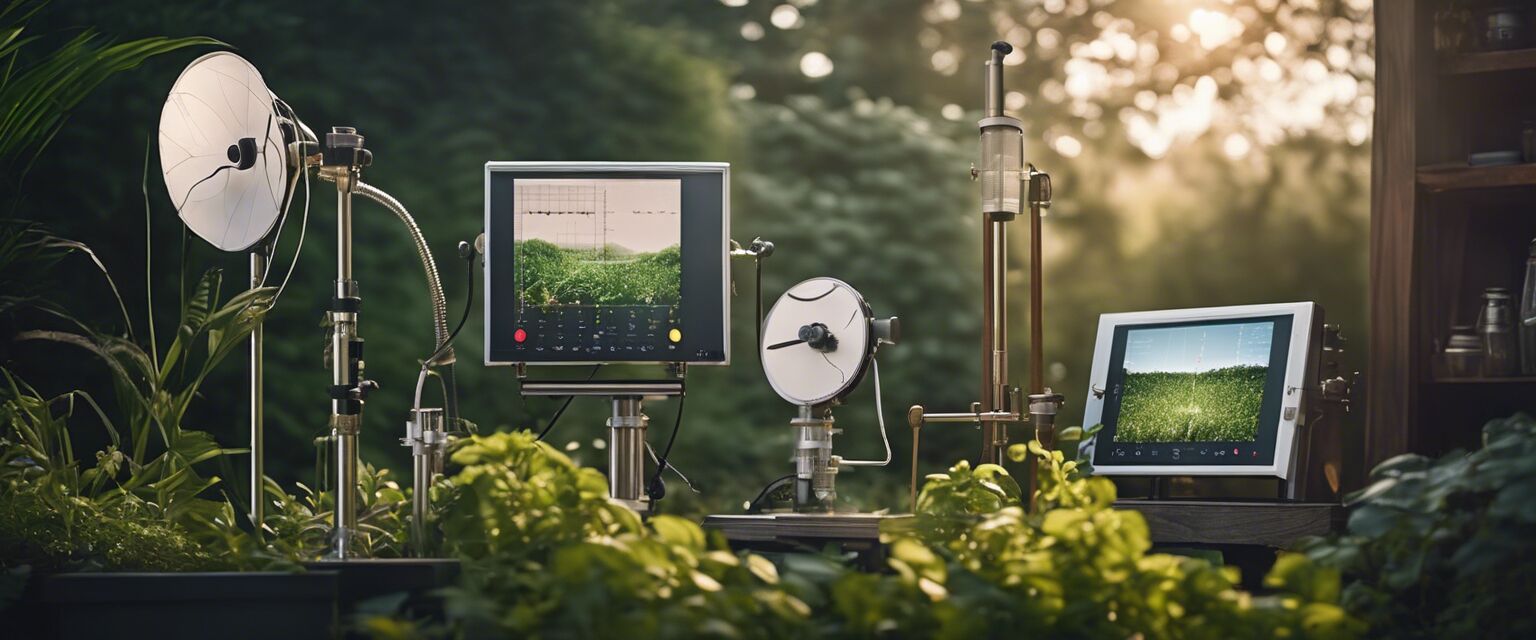
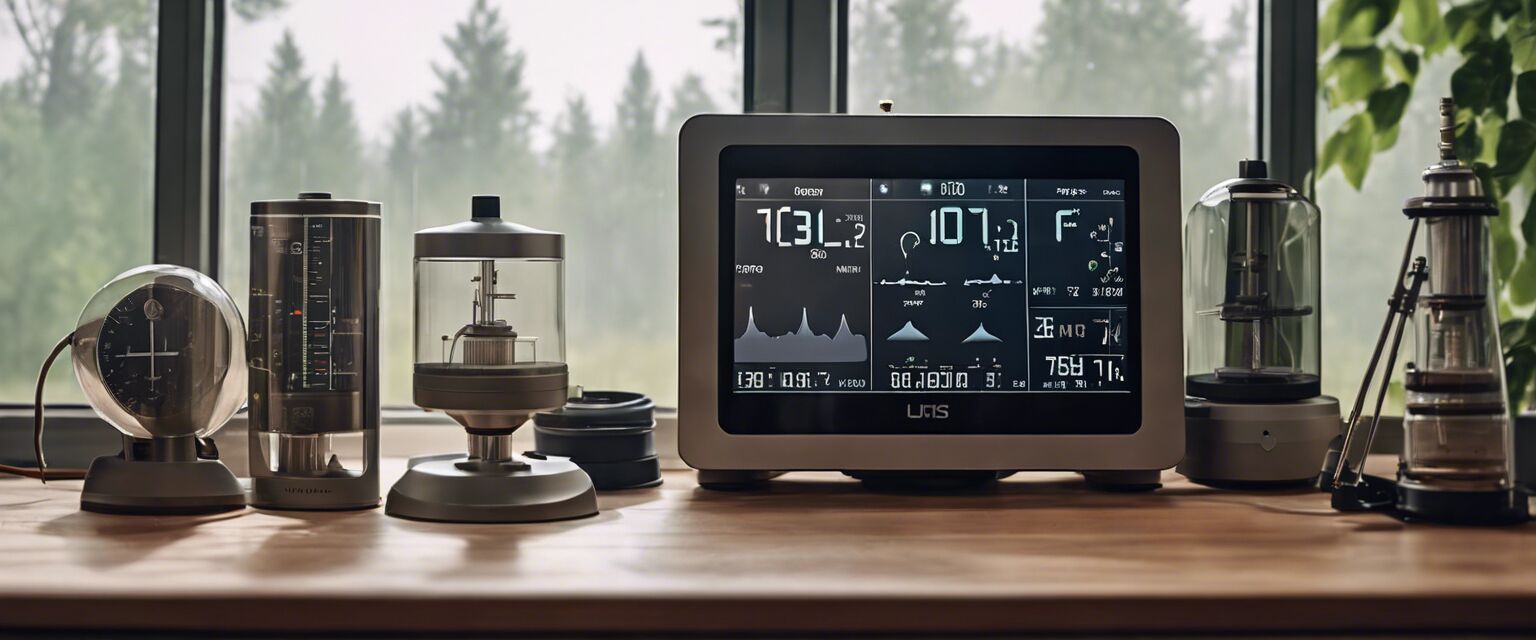
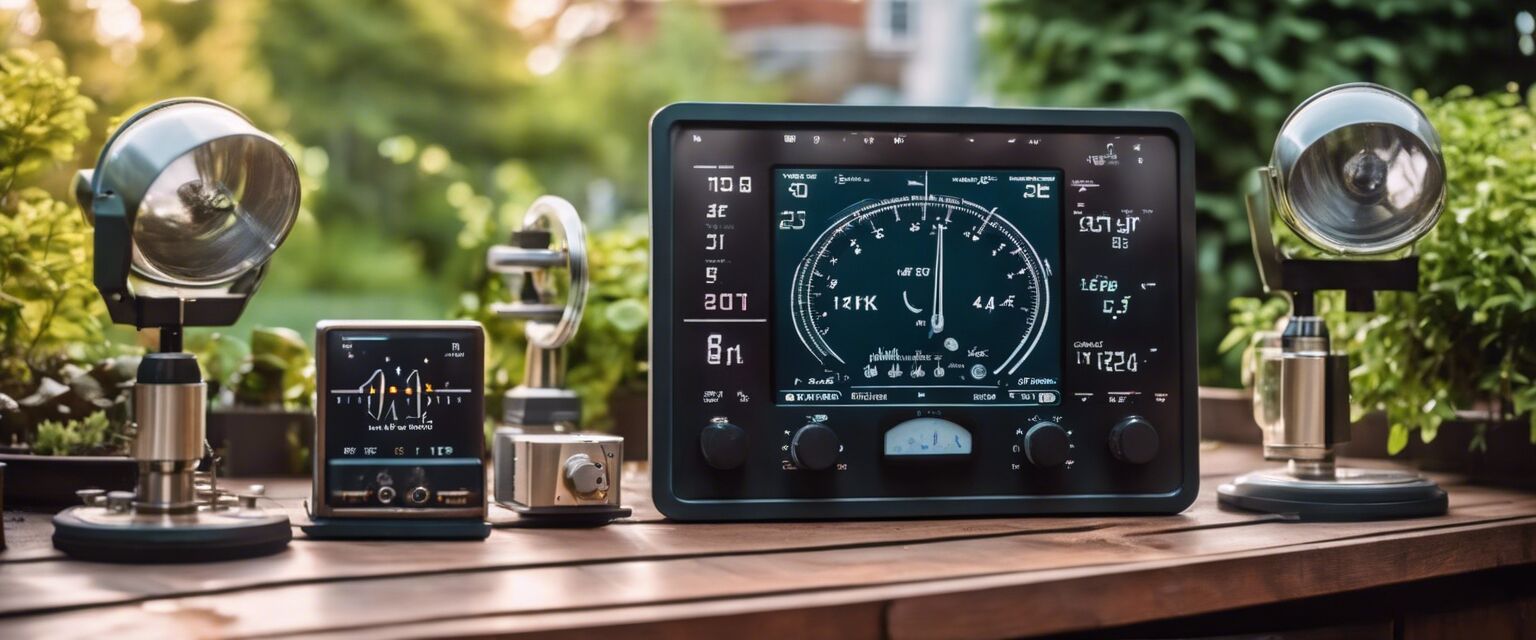
- Analog Weather Stations - A classic method for monitoring atmospheric pressure, humidity, and temperature.
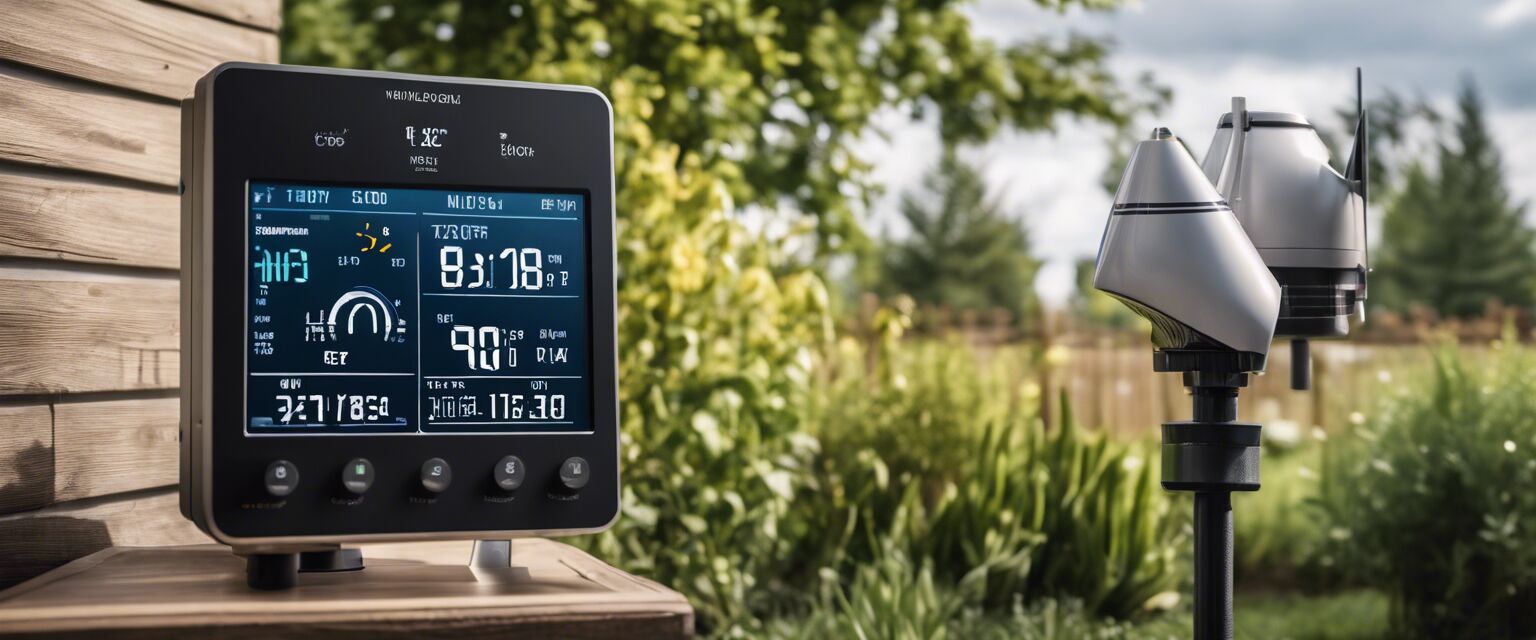
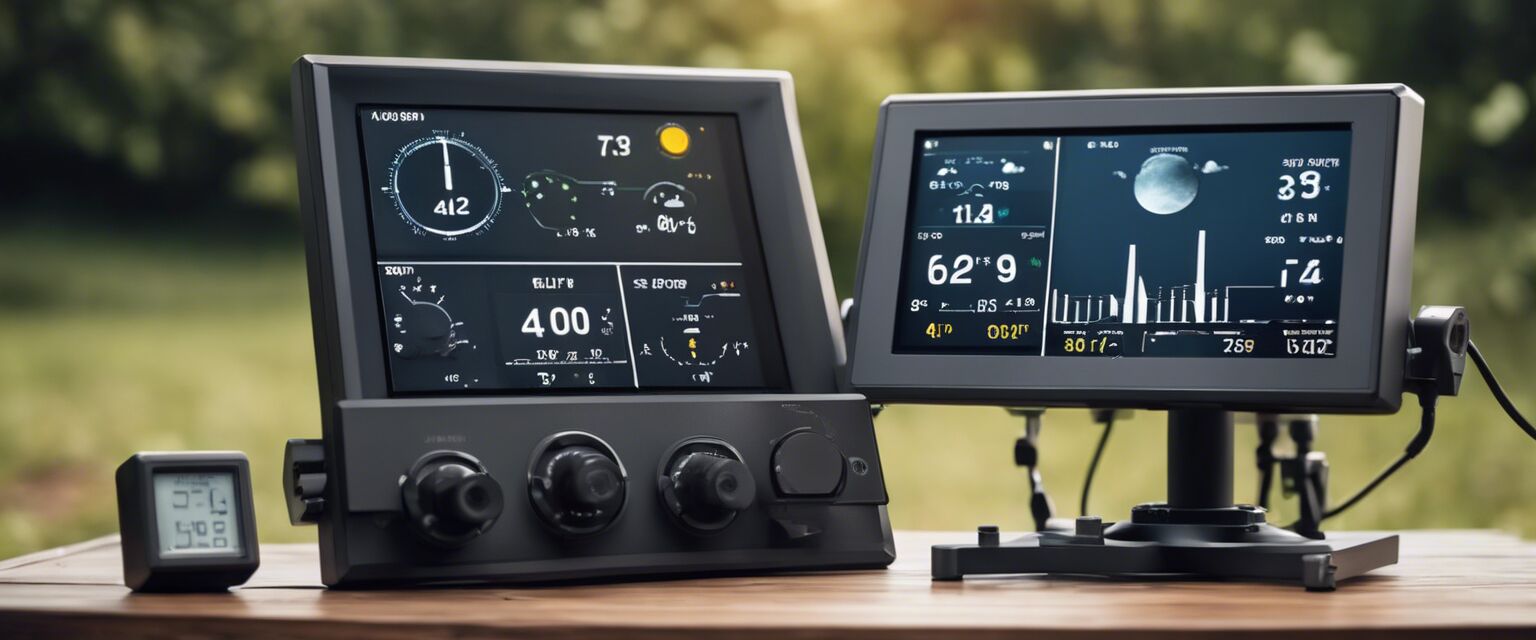
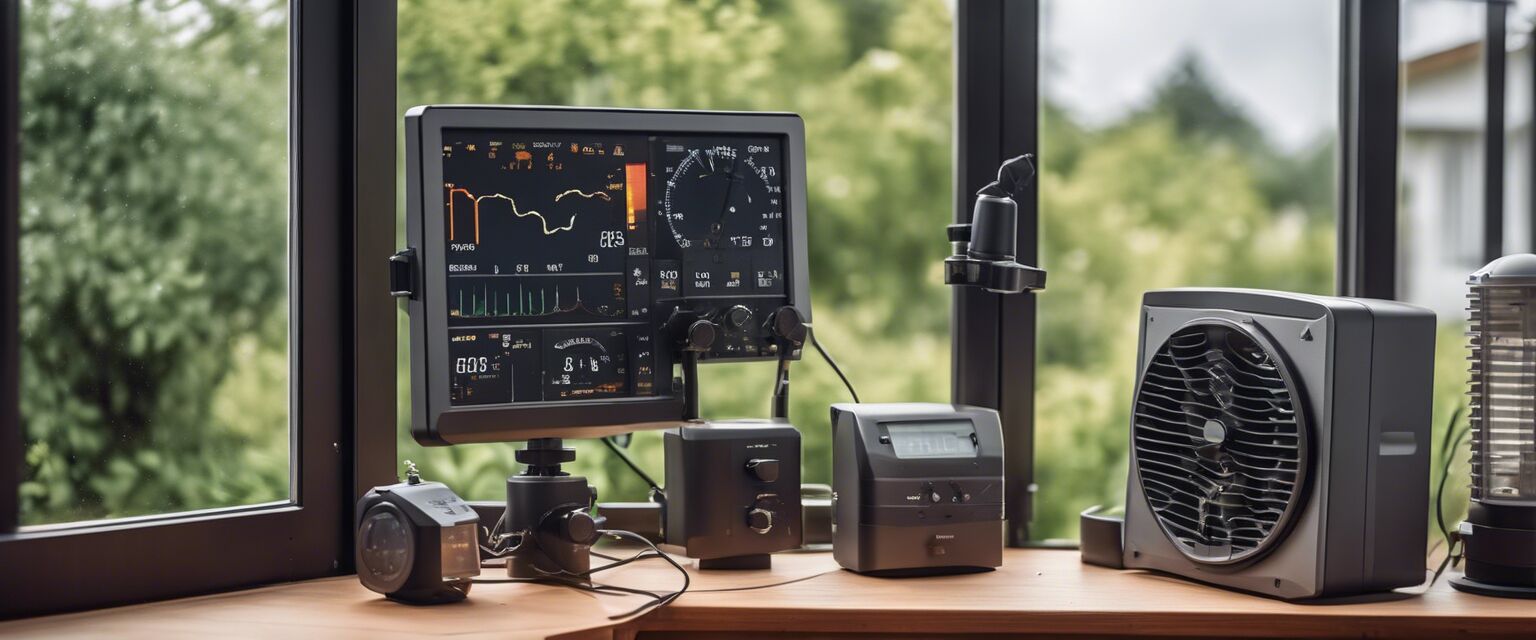
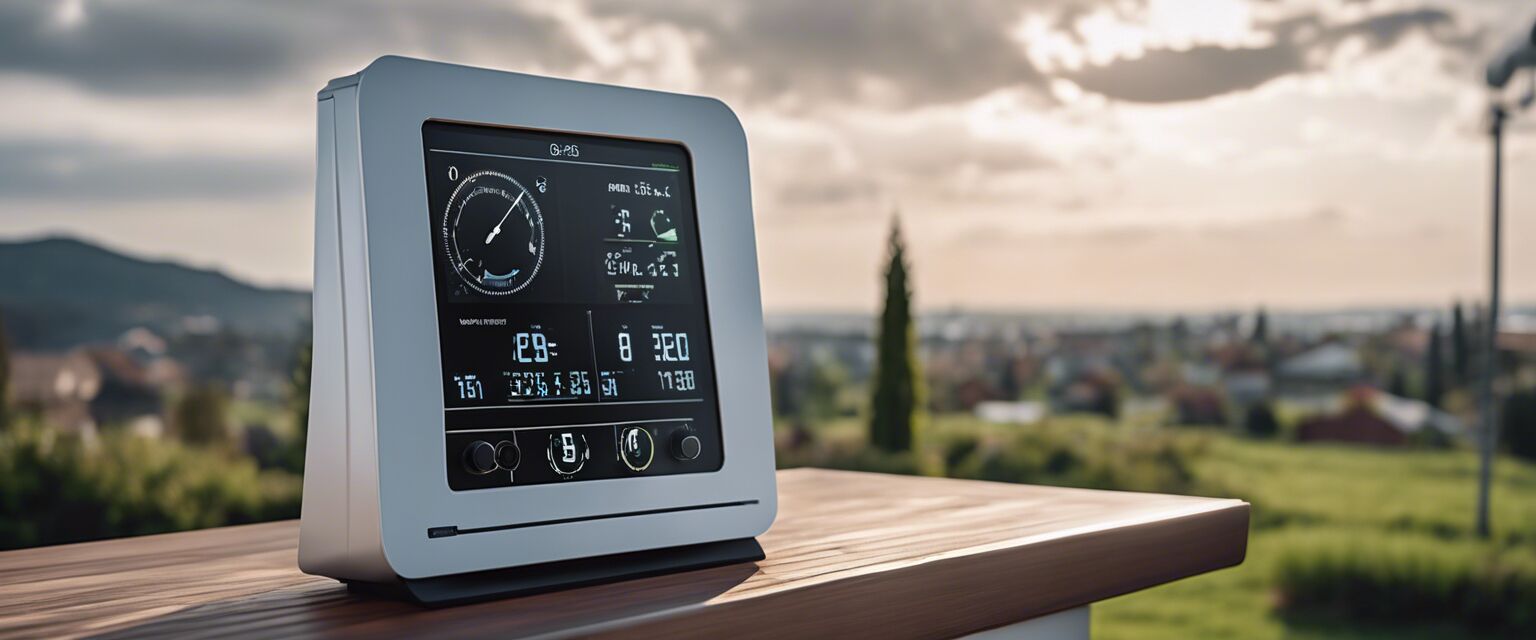
- Digital Weather Stations - Have enhanced display features and capabilities.
- Wireless Weather Stations - Provide data without the need for cumbersome wiring.
Materials Needed for Building a Weather Station
While the specific materials may vary depending on the type of station, here's a general list of common items that you may need:
| Materials | Purpose |
|---|---|
| Plastic container | To collect rainwater for pluviographs. |
| Arduino/Raspberry Pi | For digital data collection and analysis. |
| Thermometer | To measure temperature. |
| Barometer | To measure atmospheric pressure. |
| Hygrometer | To measure humidity. |
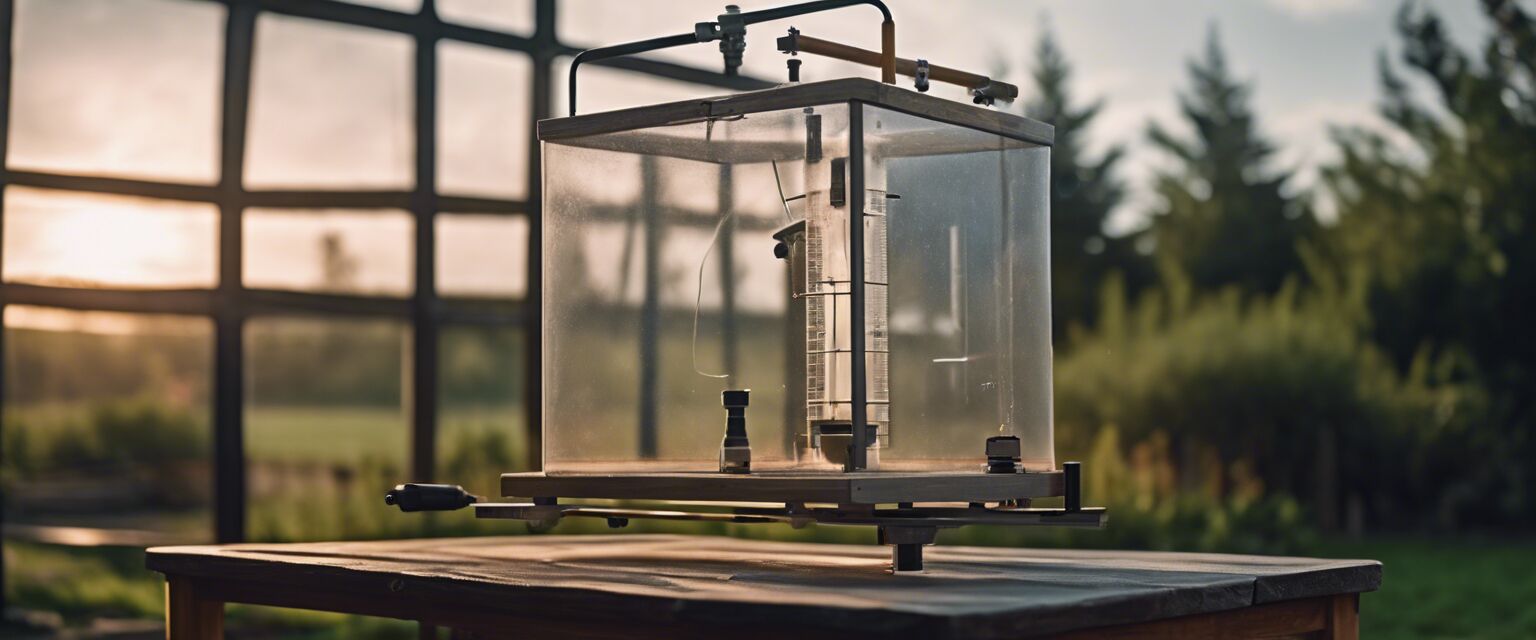
Basic DIY Pluviograph Construction
A pluviograph is essential for monitoring rainfall amounts. Here's how you can build one:
Step-by-Step Instructions:
- Gather materials - You'll need a funnel, a transparent container, a ruler, and some weather-resistant materials.
- Attach the funnel to the top of the container using waterproof adhesive tape.
- Place the pluviograph in a clear area outside where it can capture rain but is protected from debris.
- Measure the amount of rain collected using the ruler at the end of each rain event.
Building a Simple Analog Weather Station
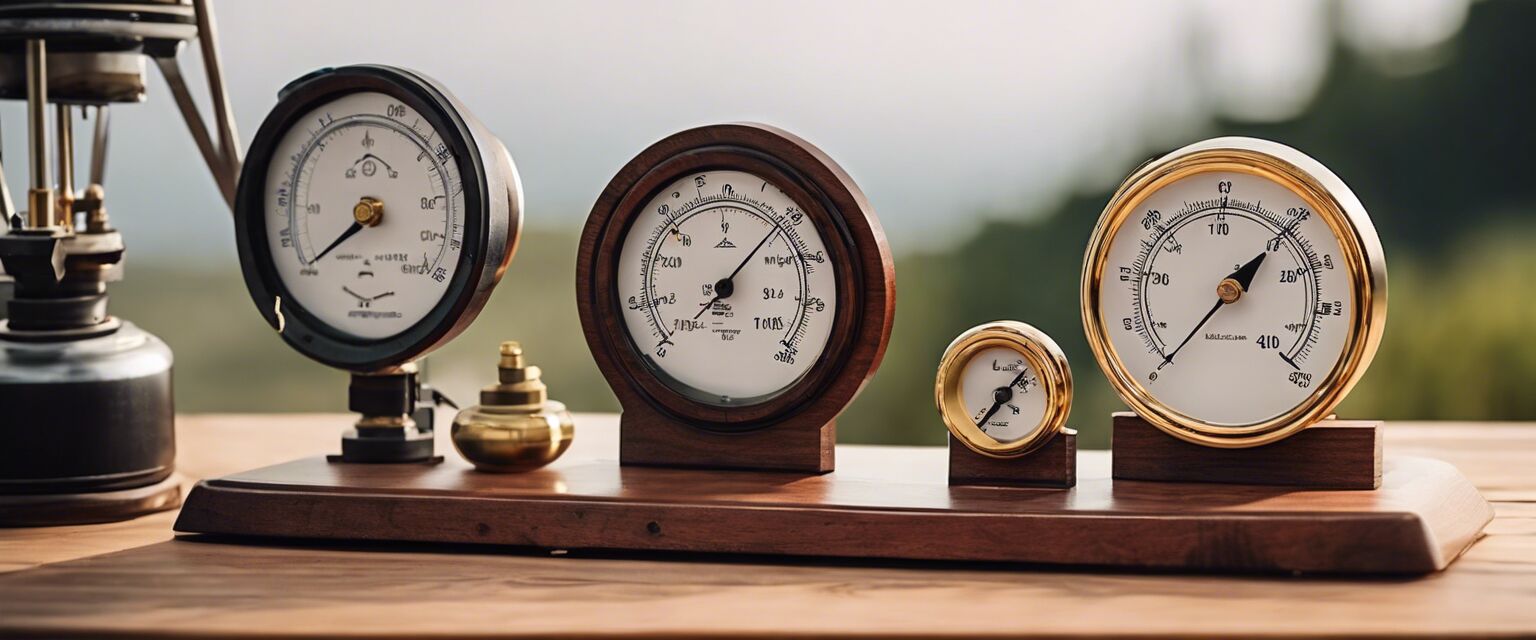
If you're interested in a more traditional method, creating an analog weather station could be the way to go. Itâs a fantastic way to study atmospheric pressure, humidity, and temperature.
Components Needed:
- Barometer
- Hygrometer
- Thermometer
- Compass
Steps to Construct:
- Arrange your barometer, thermometer, and hygrometer on a sturdy baseboard.
- Use a compass to position them correctly based on the cardinal directions for accurate readings.
- Secure each component using screws or adhesive to ensure stability.
Pros
- Cost-effective way to monitor weather conditions.
- Encourages outdoor learning and science exploration.
- Customizable based on personal preferences.
- Can be a fun family project!
Cons
- Requires regular maintenance and checking.
- May require tools that some beginners may not have.
- Weather data can sometimes be less accurate without professional-grade equipment.
Advanced Weather Station Projects
For those who are comfortable with technology, here are some advanced project ideas to explore:
- Building a fully automated weather station using Arduino or Raspberry Pi.
- Incorporating solar panels for powering your weather station.
- Integrating Wi-Fi modules for remote access to your weather data.
Conclusion
Building a DIY home weather station is an engaging way to learn about meteorology and weather patterns. With the materials and steps outlined above, you can gather data right from your backyard. Whether you're interested in monitoring rainfall with a pluviograph or creating an advanced digital weather station, the possibilities are endless!
Tips for Success
- Choose a location that is away from any obstructions like tall trees or buildings.
- Regularly check and maintain your equipment to ensure accurate data collection.
- Document your findings for fun trends and data analysis over time.
Additional Resources
For more information on home weather stations, check out our other articles: